The short version
- Pain when bending the wrist back under load is often irritation or pinching at the back of the joint, linked to stiffness, weakness or a sudden jump in training.
- Pain when bending forward is more often tendon-related or a ganglion, and tingling in the thumb and first two fingers can point to carpal tunnel syndrome.
- Warming up, reducing the angle with fists, parallettes or a wedge, and spreading weight across the whole hand usually ease symptoms quickly.
- Strength work two or three times a week, such as slow wrist extensions and curls, helps the improvement last.
- See a GP or physio if pain lasts more than two weeks, wakes you at night or comes with numbness or weakness.
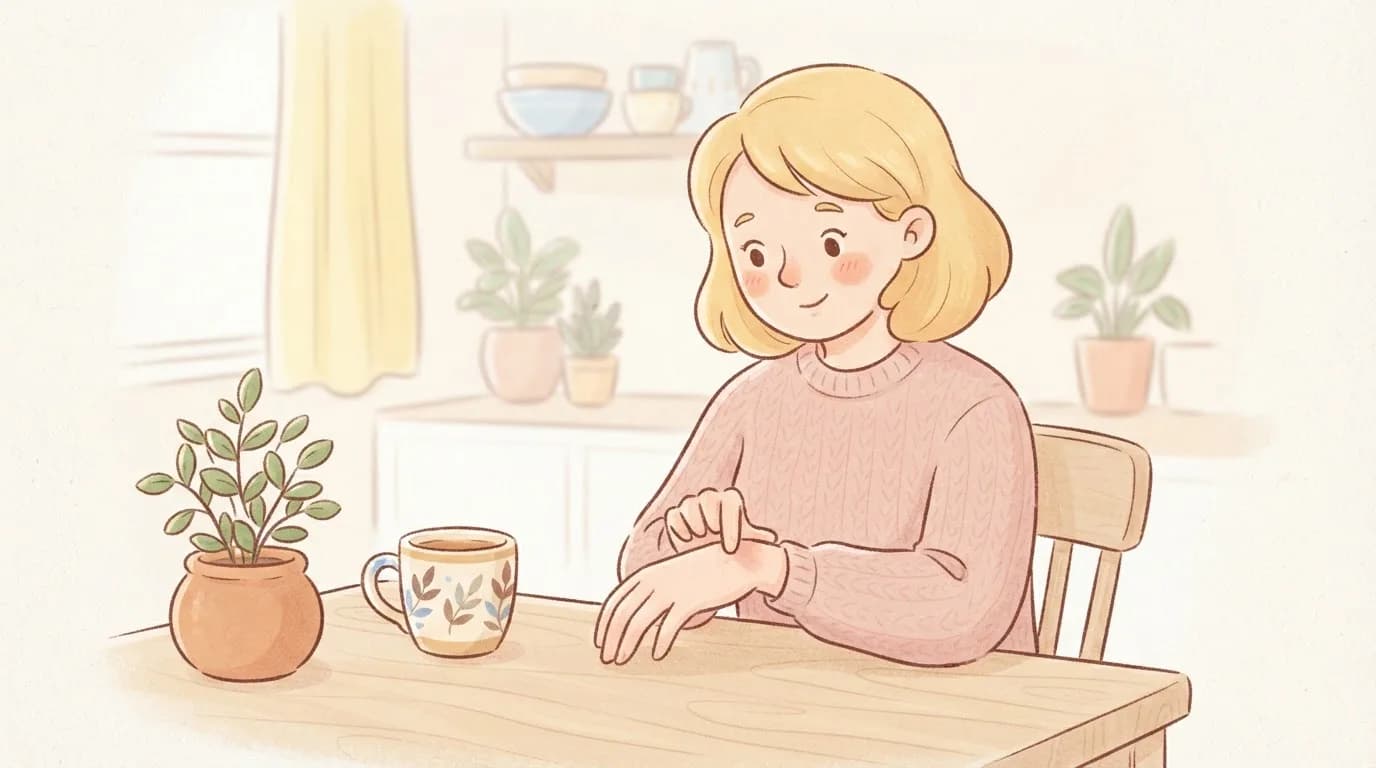
If your wrist hurts when you bend it back, for example in push-ups, planks, handstands or downward dog, the most common reason is that tissues at the back of the joint get pinched or irritated under load, often because the wrist is stiff, weak or simply doing more than it's used to. Pain when you bend the wrist forward is more often linked to tendon irritation, a ganglion cyst or, if your fingers tingle, carpal tunnel syndrome. Reducing the angle, warming up properly and building strength gradually help most people, and the five tips below show you how.
Most of my students first notice their wrists in exactly this way. Their wrist feels fine all day, and then a plank, a handstand or a pole floorwork sequence makes it catch on top. The good news is that position-specific pain like this usually responds really well to some smart changes. This article focuses on pain triggered by bending the wrist, so if yours hurts all the time or started with a fall, our wrist pain causes guide is a better place to start.
Why does my wrist hurt when I bend it back?
Bending your wrist back (extension) with weight on it is a big ask. In a push-up or plank your wrist sits at roughly 90 degrees with a large share of your body weight on it, and in a handstand it's all of it. Here are the usual reasons that position starts to hurt.
Pinching at the back of the joint
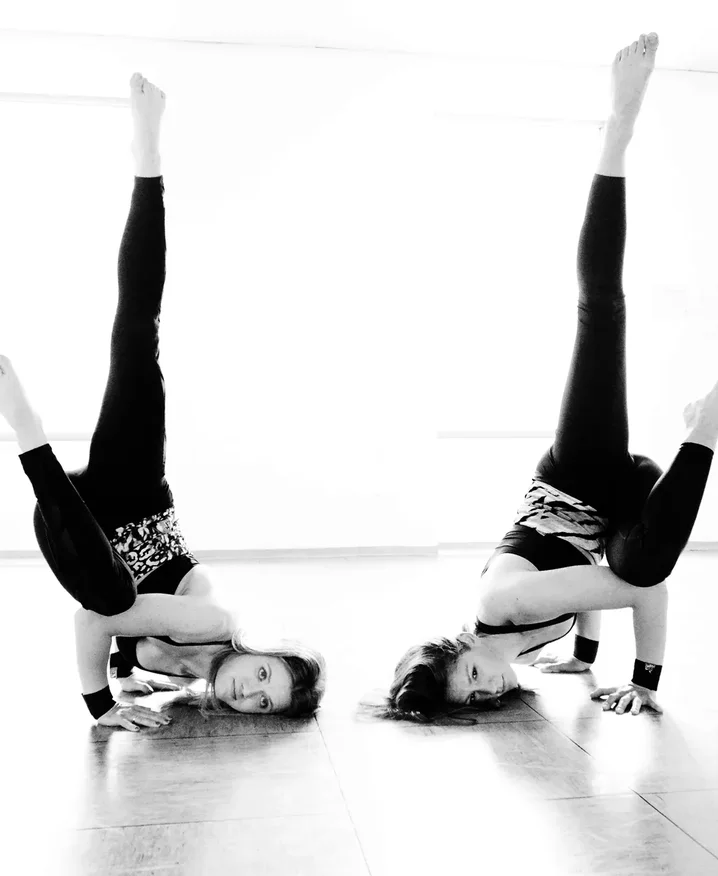
When the wrist is pushed to the end of its range under load, the joint lining and soft tissue at the back can get squeezed between the bones. Sports doctors call this dorsal wrist impingement, and it's common in gymnasts, weightlifters and anyone doing a lot of hand balancing. It typically feels like a sharp pinch or ache across the top of the wrist in one position, while everyday tasks feel normal.
Not enough mobility for the position
Plenty of people simply don't have much wrist extension, especially if they spend their days at a keyboard. If your wrist runs out of range before your shoulders are over your hands, the joint gets jammed at its end point every rep.
Tendons that aren't ready for the load
Forearm muscles and tendons control the wrist as you lean on it. If your training jumps up quickly, like a new handstand programme, a push-up challenge or extra pole classes, they can get irritated faster than they can adapt.
A hidden or visible ganglion
A ganglion cyst on the back of the wrist can ache when the wrist bends back, and some are too small to see. If there's a lump that changes size, read our article on pain on the wrist bone.
An old injury
A previous sprain or fracture can leave the wrist stiffer or more sensitive. If you ever fell on your hand and the thumb side never quite settled, please get it checked, because an unhealed scaphoid fracture can show up as pain in exactly these positions.
Why does my wrist hurt when I bend it forward?
Pain when you bend the wrist forward (flexion) is a bit less common in training, and the causes are slightly different. An ache on the back of the wrist as it stretches can come from irritated tendons or a ganglion. Pain on the palm side, especially with tingling in the thumb, index and middle fingers, can point towards carpal tunnel syndrome, which Mayo Clinic notes is often worse at night. Sleeping with your wrists curled under can make that tingling worse, and the NHS suggests a wrist splint at night can help. If tingling is your main symptom, get it assessed, and have a look at carpal tunnel and sport.
Top 5 tips to relieve wrist pain when bending
1. Warm your wrists up before you load them
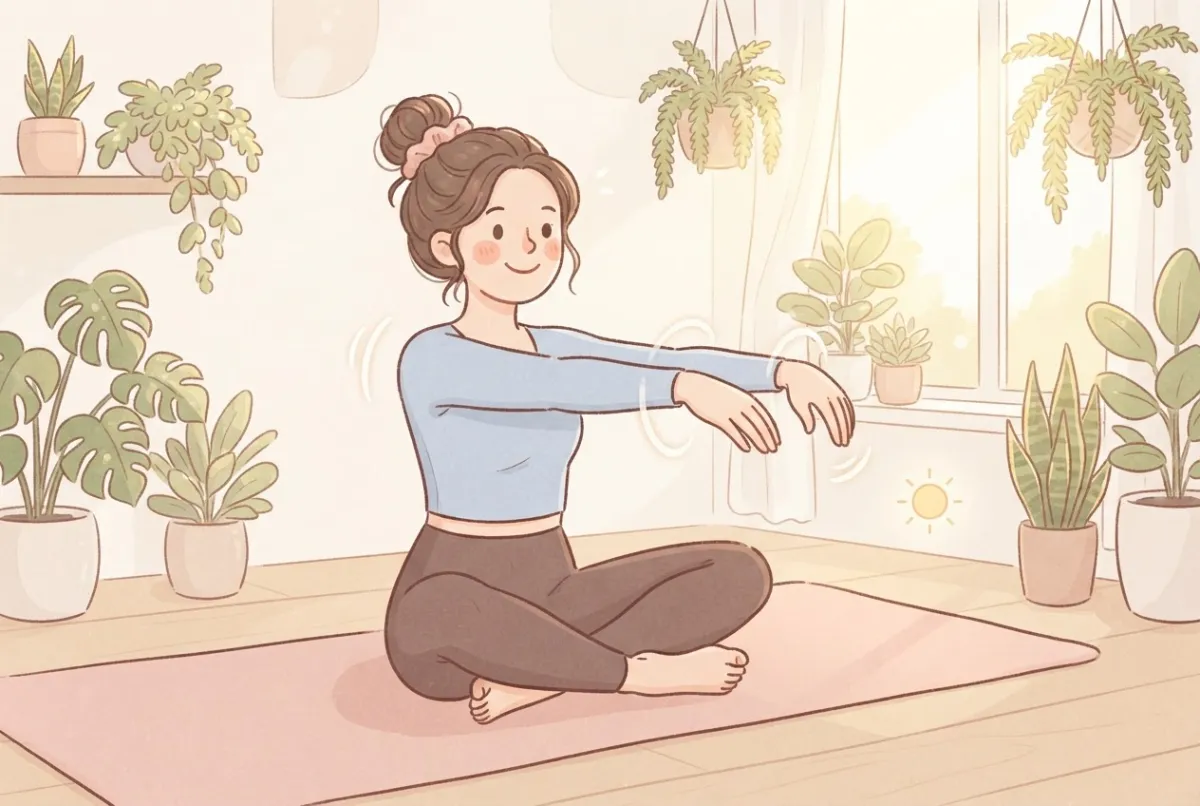
Cold wrists going straight into planks or handstands is one of the most common things I see. Spend three or four minutes on this before any weight-bearing work:
- Wrist circles: 10 slow circles each way with loose fists. It should feel easy.
- Fist to spread: make a fist, then open your fingers wide, 15 times.
- Tabletop rocks: on hands and knees with hands under your shoulders and fingers forward, slowly rock forward and back 10 times, only as far as is comfortable. You should feel a gentle stretch with no pinch.
- Palm lifts: in the same position, lift the heels of your hands so only your fingers and knuckles stay down, then lower slowly, 10 times.
- Back of the hand stretch: turn your hands so the backs are on the floor, fingers pointing towards your knees, and lean back very gently for 15 to 20 seconds. Skip it if it hurts.
For a fuller routine you can do before class, see our wrist warm-up for pole and aerial.
2. Reduce the angle while it settles
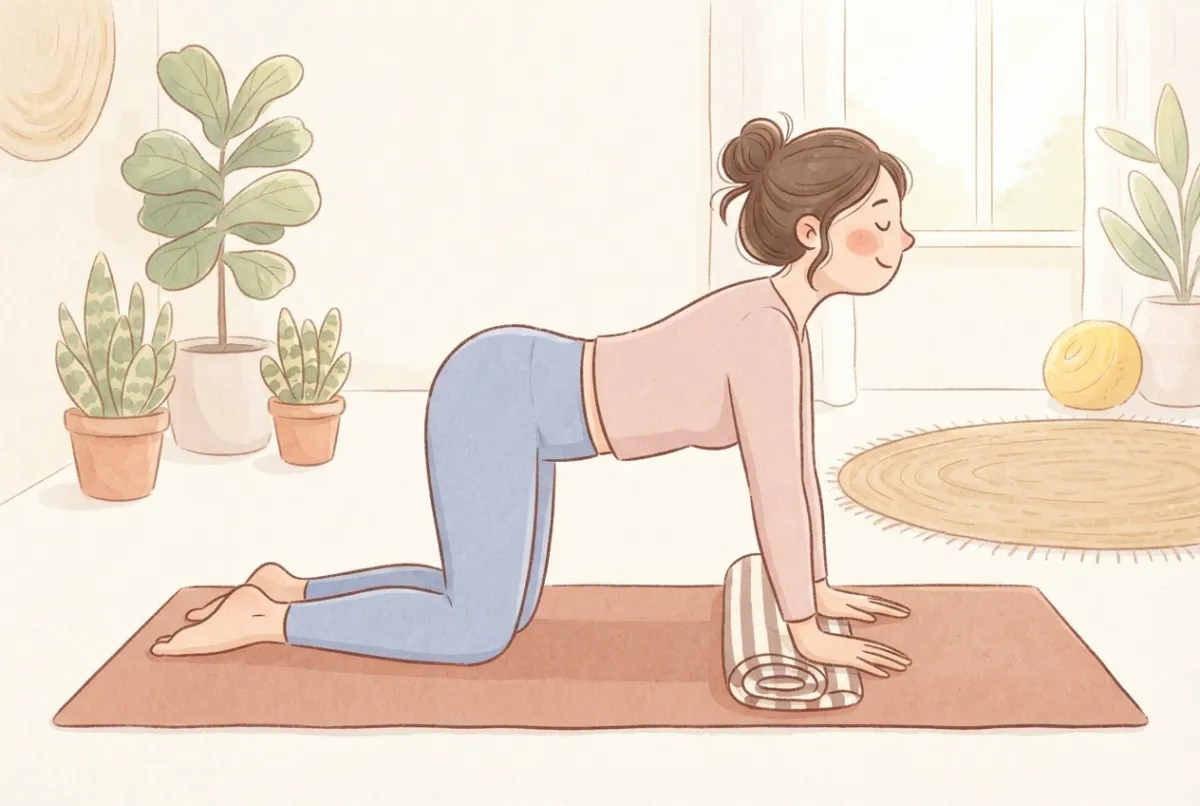
You don't have to quit push-ups and planks, you just need to make them kinder for a while. Try push-ups on your fists (with a soft mat under your knuckles), on parallettes or dumbbells with a neutral grip, or with a folded mat or wedge under the heel of your hand so the wrist bends less. Forearm planks and forearm stands take the wrist out of the picture completely. Our article on wrist pain from push-ups has more options.
3. Spread the load across your whole hand
When you're on your hands, spread your fingers wide and press down through your finger pads and the base of your index finger, almost as if you're trying to grip the floor. This "active hand" takes pressure off the heel of the hand and the back of the wrist, and it's the same idea that makes handstands feel lighter. It also helps to keep your shoulders stacked over your wrists rather than leaning far forward past them, which pushes the wrist into a steeper angle. If handstands are your trigger, our handstand wrist pain guide goes into this in detail.
4. Build strength and range gradually
Once things are calmer, strengthening is what makes the improvement last. Two or three times a week, try:
- Wrist extensions: forearm on your thigh, palm down, a light dumbbell or water bottle in your hand. Lift the back of your hand slowly and lower over three seconds, 2 to 3 sets of 12 to 15.
- Wrist curls: the same with your palm up, 2 to 3 sets of 12 to 15.
- Weight shifts: in tabletop, shift your weight slowly onto your hands and hold for 10 to 20 seconds, building up over weeks.
It should feel like work but never sharp. Mild soreness that's gone by the next day is fine, and pain that lingers or builds means you've done too much. There are more progressions in our guide to strengthening your wrists.
Masha's tip: Treat your wrists like any other muscle you're training. You wouldn't go from no squats to 100 in a day, so add new hand-balancing or floorwork volume a little at a time and give your wrists a few weeks to catch up.
5. Use support and warmth wisely
A firm wrap can make weight-bearing feel more comfortable, because the compression gives a sense of stability, the warmth is pleasant on a stiff joint and the snug band reminds you to keep a strong, stacked wrist instead of sinking into it. That's exactly why I made SneakyDeez. I was teaching pole every day with sore wrists and wanted something with strong support that didn't lock my wrist or get in the way of my grip. Our wraps are 6 cm or 8 cm wide and sit low on the wrist, so they support the joint while your hand moves freely.
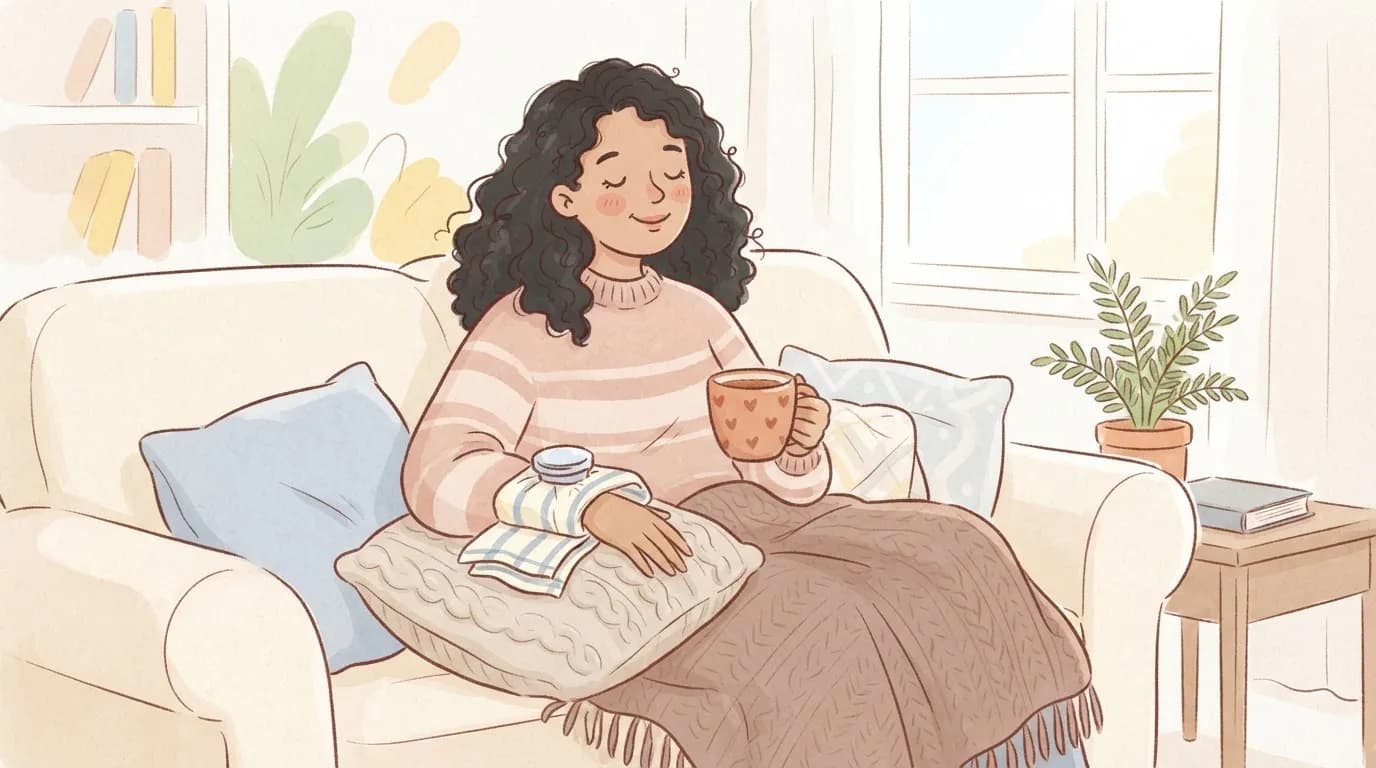
Warmth before training can also help a stiff wrist feel looser. A heat pack warmed as its instructions say (pleasantly warm, never hot) for a few minutes before class is a nice ritual on cold days, but skip heat on a fresh injury, since the NHS advises avoiding it for the first two to three days, and use a wrapped cold pack for up to 20 minutes instead if your wrist is sore after training.
Should you stop training if it hurts to bend your wrist?
Usually you don't need to stop completely, but you should stop doing the thing that hurts in the way that hurts. A useful rule is that mild discomfort which settles quickly is fine, sharp or pinching pain is a signal to change the position, and pain that's worse the next morning means the load was too much. Keep training your legs, core and the moves that feel good while you rebuild, and bring the painful position back gradually.
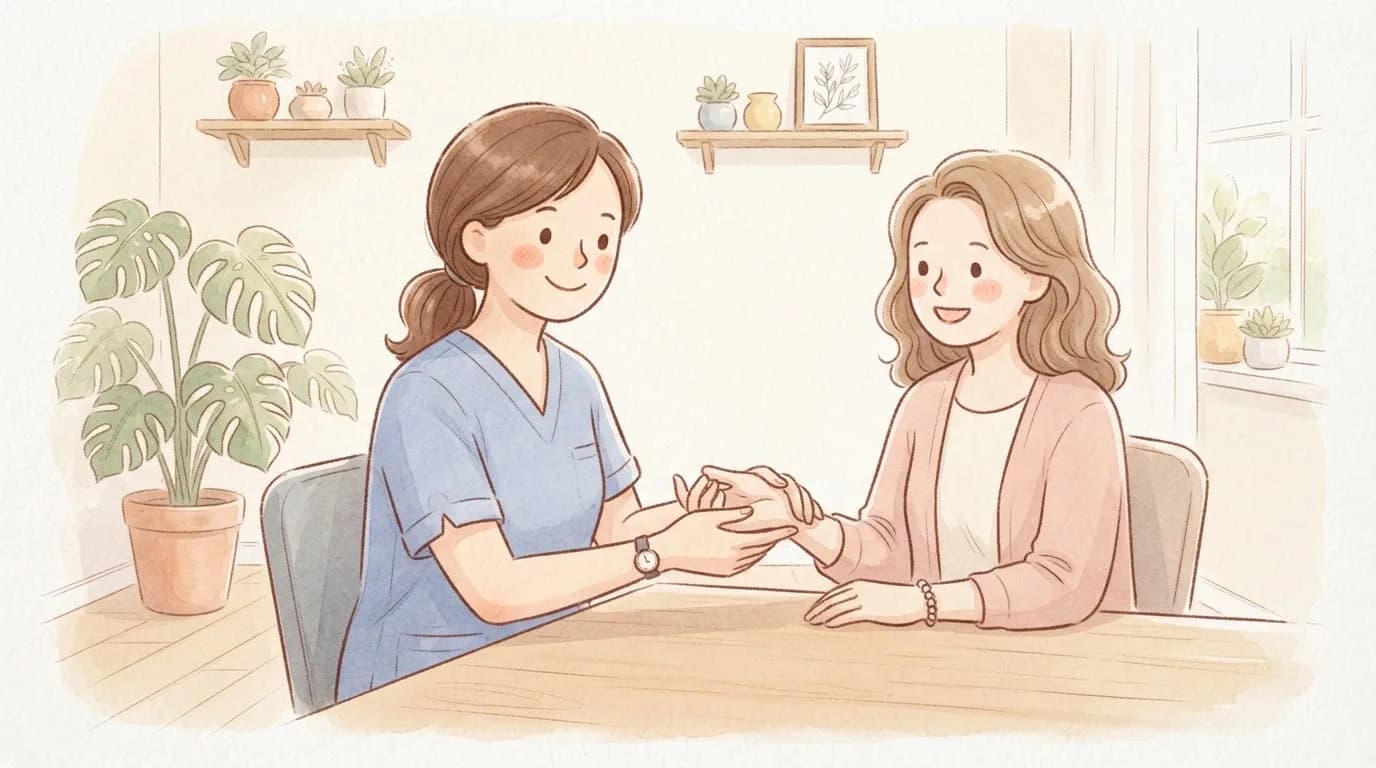
See a GP or physio if the pain hasn't improved after two weeks, keeps returning, wakes you at night, or comes with numbness, tingling or weakness. Our guide to wrist pain treatments explains what a GP or physio might suggest. Get urgent help if your wrist is swollen, misshapen or you can't move it after a fall, or if your hand goes numb or changes colour.
Wrist pain when bending is one of the most fixable training problems I know. Give your wrists a proper warm-up, take the angle down for a few weeks, build strength steadily and support them while you work, and most people find those positions feel good again.
More in Wrist pain
- Wrist Pain Causes: Why Your Wrist Hurts and Where It Hurts
- Wrist Pain Medicine and Treatments: From Home Care to the Doctor
- Ulnar Impaction Syndrome: Symptoms, Diagnosis and Treatment
- Pain on Your Wrist Bone: Bumps, Lumps and What to Do
- De Quervain's Tenosynovitis: Thumb-Side Wrist Pain Explained
- Wrist Pain on the Pinky Side: Causes, Self-Care and When to Get Help
- 10 Acupressure Points for Arm and Wrist Pain: A Gentle Self-Care Guide
Questions people ask
Why does my wrist hurt when I do a plank?
A plank holds your wrist bent back at around 90 degrees with a lot of body weight on it, which can pinch the tissues at the back of the joint if your wrist is stiff or not used to the load. Try a forearm plank or put a wedge under the heel of your hand for a while, and build wrist mobility and strength gradually.
Is it normal for wrists to hurt in handstands?
Some awareness of the wrists is normal when you're new to handstands, but sharp, pinching or lingering pain isn't something to push through. Warming up, using an active hand that grips the floor and adding volume slowly usually help, and persistent pain should be checked.
Why does my wrist hurt when I bend it forward?
It can be irritated tendons on the back of the wrist, a ganglion cyst, or, if your fingers tingle or go numb, carpal tunnel syndrome. If tingling is the main symptom or it wakes you at night, see a GP.
Should I stretch a wrist that hurts when bent?
Gentle, pain-free movement helps, but forcing a stretch into a pinching position usually makes things worse. Work within a comfortable range and build it up gradually alongside strengthening.
Do wrist wraps help with pain when bending the wrist back?
Many people find a firm wrap makes weight-bearing more comfortable thanks to compression, warmth and a feeling of stability. A wrap works best alongside warming up, reducing the angle and building strength, and it isn't a substitute for getting persistent pain checked.
Shop the fix
Wraps made for exactly this
Handmade in Slovenia by a pole teacher, with firm compression that sits low on the wrist.
Sources we checked
Written by
Masha Pinner
Pole dance teacher at Pandora Art of Pole in Slovenia and former fashion designer. Masha started SneakyDeez in 2017 after years of teaching on sore wrists, and she still designs every pair.
Read Masha’s story