The short version
- Most gradual overuse wrist aches settle with relative rest, ice or heat and gentle movement over a couple of weeks.
- A fall, a change in shape, severe pain, lost feeling or a hot swollen wrist needs urgent medical help rather than home care.
- Paracetamol and ibuprofen (tablets or gel) are common short-term options, but follow the label and ask a pharmacist because anti-inflammatories aren't safe for everyone.
- Rigid splints rest the wrist, while soft compression wraps are for comfort and support when you're back to training.
- A physio or hand therapist can give you a graded exercise plan, which is usually what keeps the pain from coming back.
The right treatment for wrist pain depends on what's causing it, but most everyday aches from overuse settle with a few days of relative rest, ice or heat, sensible use of pharmacy pain relief and some support while the wrist calms down. If the pain started with a fall, keeps getting worse, wakes you at night or comes with numbness, swelling or weakness, skip the home remedies and get it looked at by a doctor.
I'm a pole teacher and not a doctor, so think of this as a map of the options you'll come across, from what you can do at home tonight to the treatments a GP, physio or hand specialist might talk through with you. Knowing what's out there makes it much easier to ask good questions when you do get seen.
Should you treat wrist pain at home or see a doctor first?
Home care is a reasonable first step when the ache came on gradually after a lot of training, typing or carrying, you can still move the wrist, and there was no fall or twist. In that situation the NHS suggests trying self-care for around two weeks before booking in, as long as things are heading in the right direction.
Some signs mean you shouldn't wait. According to the NHS wrist pain guidance, get urgent help if:
- you fell or knocked the wrist and heard a snap or grinding, or the wrist has changed shape or colour
- you can't move the wrist or hold things, or the pain is severe enough to make you feel faint
- the wrist is hot, red and swollen, especially with a fever
- you've lost feeling in your hand
And book a normal GP appointment if the pain stops you doing everyday things, keeps coming back, hasn't improved after two weeks of home care, or comes with tingling or pins and needles. If you're not sure what kind of pain you're dealing with, our guide to the common causes of wrist pain walks through the usual suspects.
What can you do at home for a sore wrist?
Relative rest
Resting a wrist rarely means strapping it to your chest and doing nothing. It means taking out the movements that provoke the pain (for us dancers that's usually weight-bearing on bent wrists, tight grip holds and anything twisty) while you keep the hand gently moving in ranges that feel fine. Total stillness tends to make wrists stiff and grumpy, so a few slow circles and finger stretches through the day are usually welcome.
Ice or heat: which one should you use?
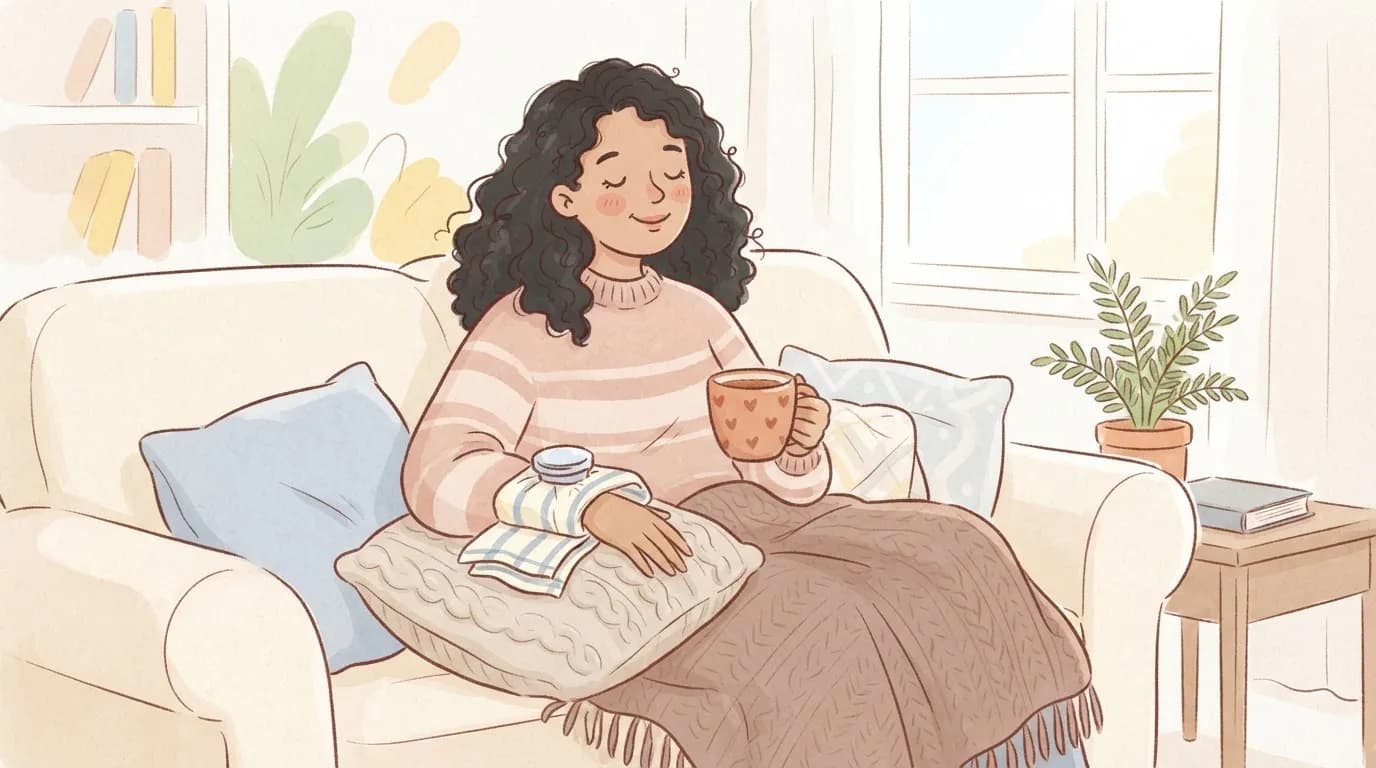
The NHS advice for a fresh wrist injury is ice, wrapped in a tea towel, for up to 20 minutes every two to three hours, and no heat for the first two or three days. Once the early swelling has settled, or if the problem is more of a stiff, achy overuse wrist, a lot of people find warmth more soothing because it helps tight forearm muscles let go.
| Ice (cold) | Heat (warmth) | |
|---|---|---|
| Best for | A new knock or strain, swelling, a hot sore spot | Stiffness, tight forearms, a dull ache that's been around a while |
| How long | Up to 20 minutes, wrapped, every 2 to 3 hours | 15 to 20 minutes at a comfortable warmth |
| Skip it if | You have poor circulation or reduced feeling in the hand | It's a fresh injury, or the area is hot and swollen |
Gentle movement
Once the sharpest pain has eased, gentle movement helps more than it hurts. Slow wrist circles, opening and closing the fist, and turning the palm up and down are enough to start with. You're looking for movement that feels like a relief, never a stretch you have to grit your teeth through.
What is the best medicine for wrist pain?
There isn't one best medicine for everybody, because it depends on the cause, your health and anything else you take. For short-term relief the NHS mentions paracetamol and ibuprofen, and ibuprofen also comes as a gel you rub into the sore area, which many people like for joints that sit close to the skin, such as the wrist.
Always follow the label, and ask a pharmacist which option suits you, because anti-inflammatories like ibuprofen aren't right for everyone. The NHS ibuprofen page lists people who should avoid it or check first, including anyone with a history of stomach ulcers, some types of asthma, heart, liver or kidney problems, during pregnancy, and if you take certain other medicines such as blood thinners. Pharmacists are brilliant at this and can also tell you whether your symptoms sound like something a GP should see.
Masha's tip: please don't take a painkiller just so you can get through class. Pain is how your wrist tells you it's had enough, and if you switch the alarm off you can end up doing a lot more damage than the session was worth.
Do wrist splints and supports help?
They can, but different supports do very different jobs, so it's worth knowing which one you're looking at.
A rigid splint holds the wrist still, usually in a straight, neutral position. The NHS suggests a splint for wrist pain, especially at night, and splints are a standard first step for carpal tunnel syndrome because keeping the wrist straight while you sleep takes pressure off the nerve. A pharmacist can help you choose one, and a physio or hand therapist can make a custom one. If tingling is your main symptom, have a read of our guide to carpal tunnel in active people.
A soft compression wrap is a different thing. It doesn't immobilise anything, and it isn't a treatment. What it gives you is snug, even pressure and warmth around the joint, and a feeling of stability that a lot of people like when they're back to training. That's exactly why I started making SneakyDeez: I was teaching every day with sore wrists and wanted firm support that sat low on the wrist without locking it, so I could still grip and move properly. If you want to understand the difference in more detail, see what a wrist support brace actually is and when it makes sense to wear one.
What does a physio or hand therapist do for wrist pain?
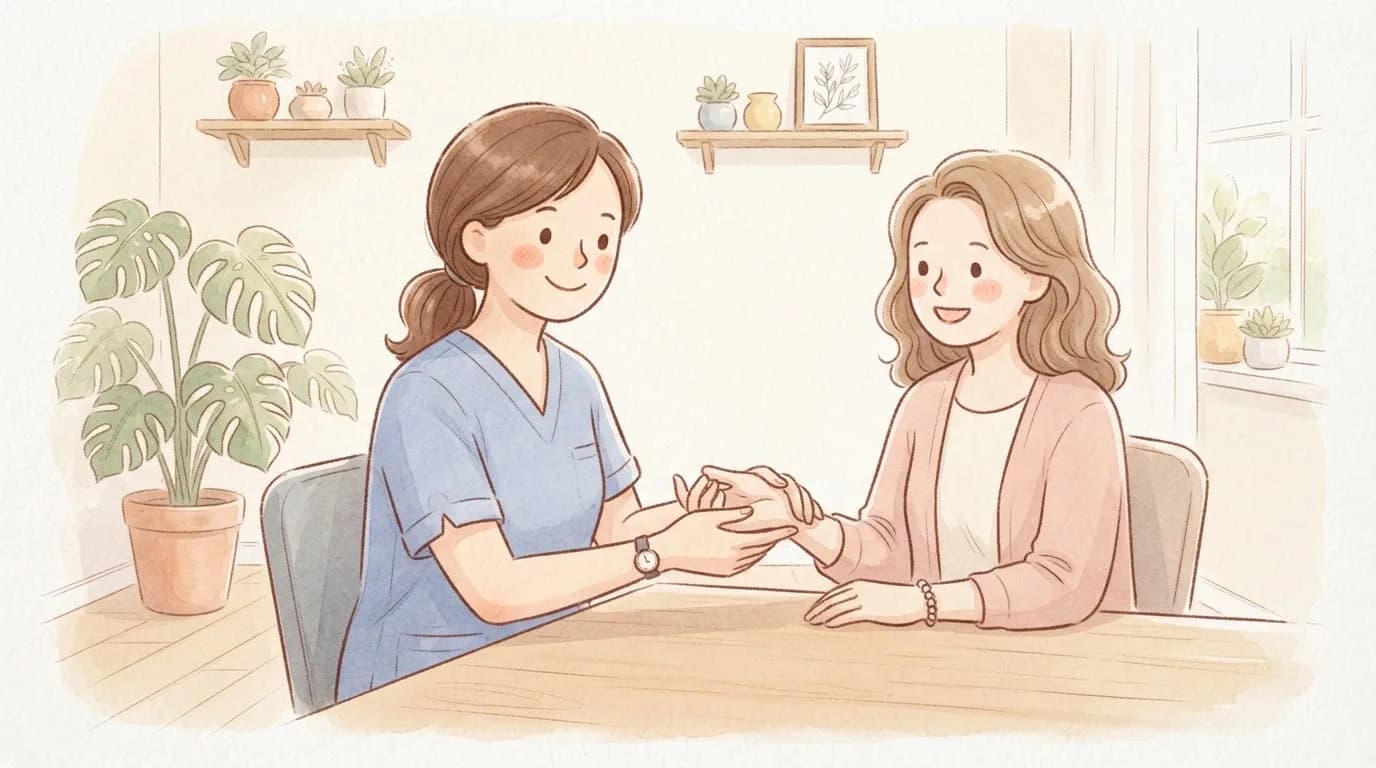
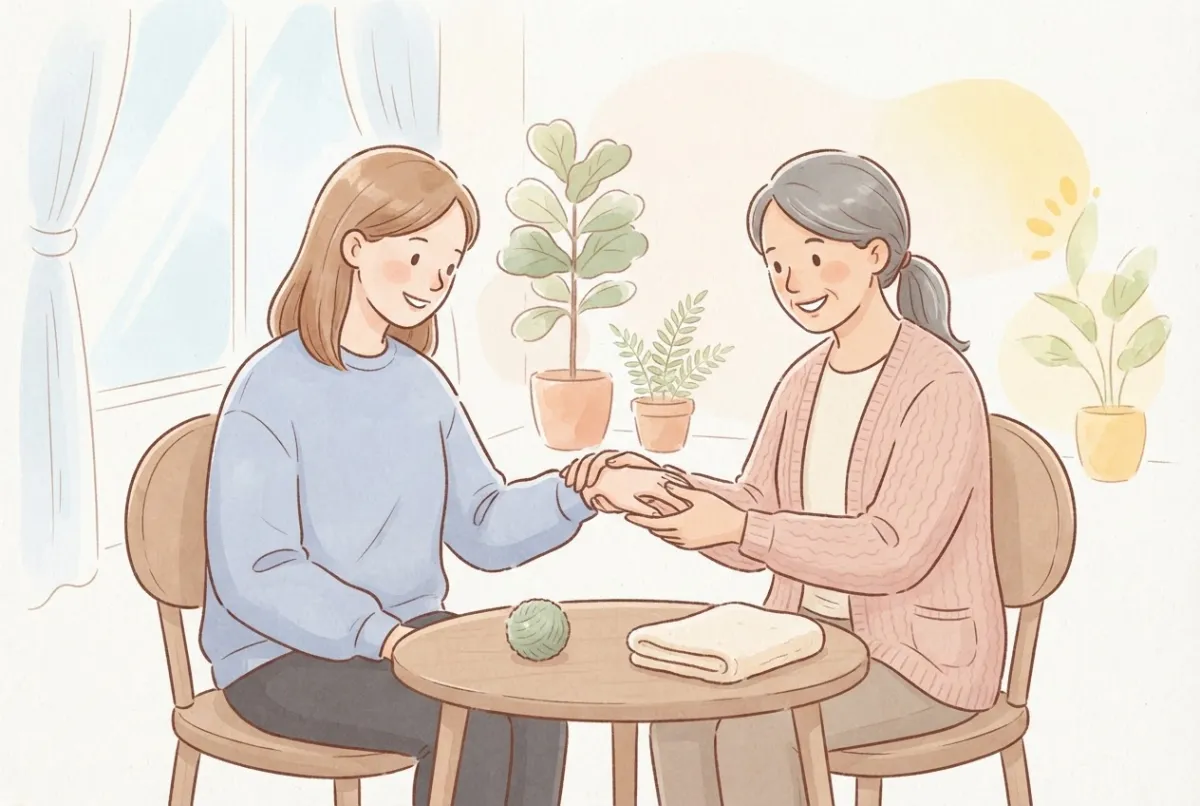
For a lot of overuse wrist problems, a physiotherapist or hand therapist is the most useful person you can see. They'll ask what you do all day and in training, test strength and movement, and work out which structures are cranky. Treatment usually mixes advice on load (what to cut back and for how long), a progressive exercise plan, sometimes manual therapy or taping, and help with technique. In many parts of the UK you can refer yourself to NHS physiotherapy without seeing a GP first, and private physios are easy to book in most countries.
The exercise side is where you get long-term results, and you'll find a proper step-by-step plan in our guide on how to strengthen your wrists.
What treatments might a doctor discuss?
If home care and physio aren't enough, or the doctor suspects something specific, these are the kinds of things that might come up. Your doctor will explain whether any of them apply to you.
- Tests: an X-ray after a fall, an ultrasound or MRI to look at tendons and ligaments, or nerve conduction studies if carpal tunnel is suspected.
- Prescription medicines: occasionally different pain relief or anti-inflammatories, depending on the diagnosis and your health.
- Steroid injections: sometimes used for conditions such as carpal tunnel syndrome or de Quervain's tenosynovitis. OrthoInfo describes the relief as often temporary, so they tend to be one part of a bigger plan.
- Surgery: for some fractures, persistent carpal tunnel syndrome (a carpal tunnel release), stubborn ganglion cysts or tendon problems that don't settle. It's usually considered only after other options have been tried.
| Option | Often used for | Where you get it |
|---|---|---|
| Rest, ice or heat, gentle movement | Mild overuse aches and minor strains | At home |
| Pharmacy pain relief (tablets or gel) | Short-term pain relief | Pharmacist, follow the label |
| Rigid splint | Resting a sore wrist, night-time carpal tunnel symptoms | Pharmacy, physio or hand therapist |
| Physio or hand therapy | Overuse, tendon problems, getting back to sport | Self-referral or via GP |
| Injections, surgery | Specific diagnoses that haven't settled | Doctor or specialist |
If your pain sits on the thumb side and hurts when you lift a kettle or a baby, have a look at de Quervain's and thumb-side wrist pain before your appointment.
What about acupressure, massage and other gentle options?
Plenty of people find forearm massage or pressing on tender spots relaxing, and if it makes you feel better there's no harm in it alongside proper care. The research on acupressure for wrist and hand pain is limited, so I'd treat it as a calming bit of self-care rather than a fix. If you're curious, our gentle guide to acupressure points for the arm and wrist shows you where they are and how to press safely.
How do you get back to training after wrist pain?
Go back gradually and let the wrist vote. Start with movements that don't hurt, shorten your sessions, and add one thing at a time so you know what caused it if the pain flares. A good warm-up makes a big difference, so try our 5 to 10 minute wrist warm-up and prehab routine before every session. If you train on the pole, our pole and aerial wrist warm-up is built for exactly that.
When you're back to full sessions, a snug wrap can make heavy days feel more comfortable and remind you to keep your wrists stacked and your alignment honest. Just make sure the pain is sorted first, because no wrap should be the thing that lets you train through an injury.
More in Wrist pain
- Wrist Pain Causes: Why Your Wrist Hurts and Where It Hurts
- Ulnar Impaction Syndrome: Symptoms, Diagnosis and Treatment
- Pain on Your Wrist Bone: Bumps, Lumps and What to Do
- De Quervain's Tenosynovitis: Thumb-Side Wrist Pain Explained
- Wrist Pain on the Pinky Side: Causes, Self-Care and When to Get Help
- Wrist Pain When Bent: Why It Hurts and 5 Ways to Ease It
- 10 Acupressure Points for Arm and Wrist Pain: A Gentle Self-Care Guide
Questions people ask
How long should wrist pain last before I see a doctor?
The NHS suggests seeing a GP if wrist pain hasn't improved after about two weeks of home treatment. Go sooner if it keeps coming back, stops you doing normal things, or comes with tingling or numbness. A fall, a deformed wrist or lost feeling needs urgent help straight away.
Is ibuprofen gel or tablets better for wrist pain?
Many people use ibuprofen gel for joints near the skin like the wrist, and the NHS notes the gel tends to have fewer side effects than tablets. Neither is right for everyone, so follow the label and ask a pharmacist which suits you, especially if you have asthma, stomach problems or take other medicines.
Should I sleep in a wrist brace?
A rigid splint at night is often suggested for wrist pain and especially for carpal tunnel symptoms, because it keeps the wrist straight while you sleep. A soft training wrap is not designed for wearing overnight. If you're unsure which you need, a pharmacist or physio can advise.
Can I keep exercising with wrist pain?
Usually you can keep training the parts of your body that don't load the wrist, and keep the wrist gently moving in pain-free ranges. Avoid the movements that provoke the pain until it settles, then return gradually. If exercising makes it steadily worse, stop and get it checked.
Will a wrist support fix my wrist pain?
No support fixes the cause of wrist pain on its own. A rigid splint can rest the wrist while it settles, and a compression wrap can make training feel more comfortable and stable once you're recovered. Finding the cause and building strength is what makes the real difference.
Shop the fix
Wraps made for exactly this
Handmade in Slovenia by a pole teacher, with firm compression that sits low on the wrist.
Sources we checked
Written by
Masha Pinner
Pole dance teacher at Pandora Art of Pole in Slovenia and former fashion designer. Masha started SneakyDeez in 2017 after years of teaching on sore wrists, and she still designs every pair.
Read Masha’s story