The short version
- Ulnar impaction syndrome happens when the end of the ulna presses too hard against the TFCC and the lunate and triquetrum bones, wearing them down over time.
- It's most often linked to a relatively long ulna (positive ulnar variance), but hard gripping and palm-down positions can trigger it even in wrists that look neutral on X-ray.
- It usually builds gradually, unlike an acute TFCC tear, and hurts most with strong grip, palm-down rotation and bending towards the little finger.
- Diagnosis relies on a clinical examination plus X-rays, often including a gripping view, and frequently an MRI.
- Treatment starts with activity changes, splinting and medication, and surgery such as ulnar shortening or a wafer procedure is considered if that fails.
Ulnar impaction syndrome (also called ulnocarpal abutment) is a wear-related condition where the end of the ulna, the forearm bone on the little-finger side, presses too hard against the TFCC cartilage and the small wrist bones next to it. It usually develops gradually and causes a deep ache on the pinky side of the wrist that gets worse with strong gripping, turning the palm down and bending the wrist towards the little finger. It's diagnosed with an examination and X-rays (often an MRI too), and treatment starts with rest, a splint and activity changes, with surgery kept for cases that don't improve.
If you've landed here, you may have been told you "might have ulnar impaction", or you've been reading about pinky-side pain and this name keeps coming up. I'm a pole teacher rather than a doctor, so this article is meant to help you understand the condition and have a better conversation with your specialist. It isn't a way to diagnose yourself. If you're not sure what's behind your pain yet, our broader guide to pinky-side wrist pain is the better place to start.
What is ulnar impaction syndrome?
Your forearm has two bones. The radius, on the thumb side, carries most of the load through your wrist, and the ulna, on the little-finger side, normally ends just a touch shorter, with the TFCC (a cushion of cartilage and ligaments) filling the gap between it and the wrist bones. In ulnar impaction, the ulna is effectively "too long" for the space, so with every grip and every lean on the hand, it pushes into the TFCC and into two wrist bones called the lunate and the triquetrum.
Over time that repeated pressure can wear the TFCC thin or tear it, soften the cartilage on the end of the ulna and on the lunate, and sometimes strain the small ligament that joins the lunate and triquetrum. That's why medical reviews describe it as a degenerative problem that develops along a spectrum, from mild irritation to more established wear.
What causes it?
The biggest factor is something called positive ulnar variance, which simply means the ulna is longer relative to the radius than usual. Some people are born with it. Others develop it, for example after a broken wrist at the end of the radius heals slightly shorter, or after an injury to the radius growth plate in childhood.
What surprises many people is that the ulna's relative length isn't fixed. Research on ulnolunate impaction notes that turning the palm down and gripping hard both make the ulna sit relatively longer for a moment, which is why the condition can also appear in wrists that look neutral on a standard X-ray. So activities that combine a strong grip with the palm facing down, or with the wrist tipped towards the little finger, put the most pressure through the area. That covers a lot of pole work, many racquet and bat sports, gripping heavy weights and plenty of manual jobs.
What are the symptoms of ulnar impaction?
Symptoms tend to creep in rather than start with a single injury, and they often include:
- an aching pain on the little-finger side of the wrist, often just beyond the knob of the ulna
- pain that's worse with forceful gripping, turning the palm down and bending the wrist towards the little finger
- tenderness when that area is pressed
- sometimes mild swelling, clicking, or less movement when you rotate your forearm
- a grip that feels weaker because it hurts to squeeze
Many of these overlap with other pinky-side problems, which is exactly why a proper assessment matters.
How is it different from other pinky-side wrist pain?
This is the question I'd want answered too. The differences are mostly about how it started and what's driving it.
| Ulnar impaction | Acute TFCC tear | ECU tendon problems | |
|---|---|---|---|
| How it starts | Gradually, over months | Often a fall or forceful twist | Repetitive use, or a sudden snap with rotation |
| What's going on | The ulna pressing into the TFCC and wrist bones | A tear in the cartilage and ligament cushion | Irritated or unstable tendon along the back of the wrist |
| Worst movements | Strong grip, palm down, wrist tipped to the little finger | Twisting, leaning on the hand | Rotating the forearm, especially palm up |
| What imaging may show | A relatively long ulna on X-ray, wear on the TFCC and lunate on MRI | The tear on MRI or arthroscopy | Tendon changes or movement on ultrasound or MRI |
They can also overlap. A worn TFCC is often part of ulnar impaction, so you may hear both terms used about the same wrist.
How is ulnar impaction diagnosed?
A hand specialist or sports doctor will usually start by asking how the pain started and what makes it worse, and then examine where exactly it's tender and which movements reproduce it. They may use a stress test where they move your wrist towards the little finger while pressing and rotating it, which is something to leave to a clinician rather than try at home.
X-rays come next. As well as standard views, a specialist may ask for a view taken while you grip hard with your palm turned down, because that shows how much longer the ulna becomes under load. X-rays can also show changes in the bone of the lunate. An MRI is often used to look at the TFCC and at early changes in the cartilage and bone that X-rays can't show. In some cases, a small camera procedure called wrist arthroscopy is used to look inside the joint directly.
How is ulnar impaction treated?
Treatment is decided by your specialist based on your wrist, your symptoms and your life, so think of what follows as a description of the usual options rather than a plan. For a broader look at pain relief, splints and physio for wrist pain in general, see our guide to wrist pain medicine and treatments.
Non-surgical treatment comes first
Most people start with a conservative approach, which according to a published review of the condition typically includes:
- Activity changes to avoid the combination of hard gripping, palm-down positions and bending towards the little finger
- A splint or brace to rest the wrist, sometimes for several weeks
- Anti-inflammatory medication, if your doctor or pharmacist agrees it's suitable for you
- A steroid injection in some cases, to calm pain and inflammation
- Hand therapy or physiotherapy to manage load and keep the rest of the arm strong
Surgery if it doesn't settle
When symptoms continue despite a fair trial of conservative care, the two most common operations aim to take pressure off the area. An ulnar shortening osteotomy removes a small section from the shaft of the ulna and fixes the bone with a plate, so the end of the ulna sits a little shorter. A wafer procedure removes a thin layer from the end of the ulna, often through keyhole surgery. Which one is suitable depends on the shape of your wrist and the state of the joint, and recovery from either takes a number of months, including rehab. There are other procedures for more advanced arthritis, which your surgeon would discuss if relevant.
Masha's tip: Before your appointment, write down the exact moves that hurt and how they feel, for example "cup grip on a static pole, sharp after three reps" or "push-ups, deep ache afterwards". Specific details help your specialist far more than "it hurts on the side", and they make it easier to plan a return to training together.
Can you keep training with ulnar impaction?
Often you can keep training something, but what and how much is a conversation to have with whoever's treating you. In general, people are steered away from the movements that load the area most, and towards ones that keep the rest of the body strong. If you pole, that might mean taking a break from grip-heavy spins and holds and working on floorwork that doesn't involve weight-bearing on the hands, flexibility and leg strength, and if you lift, it might mean neutral-grip work, straps or machines. Our article on wrist pain in pole dancing has ideas for adapting a pole session.
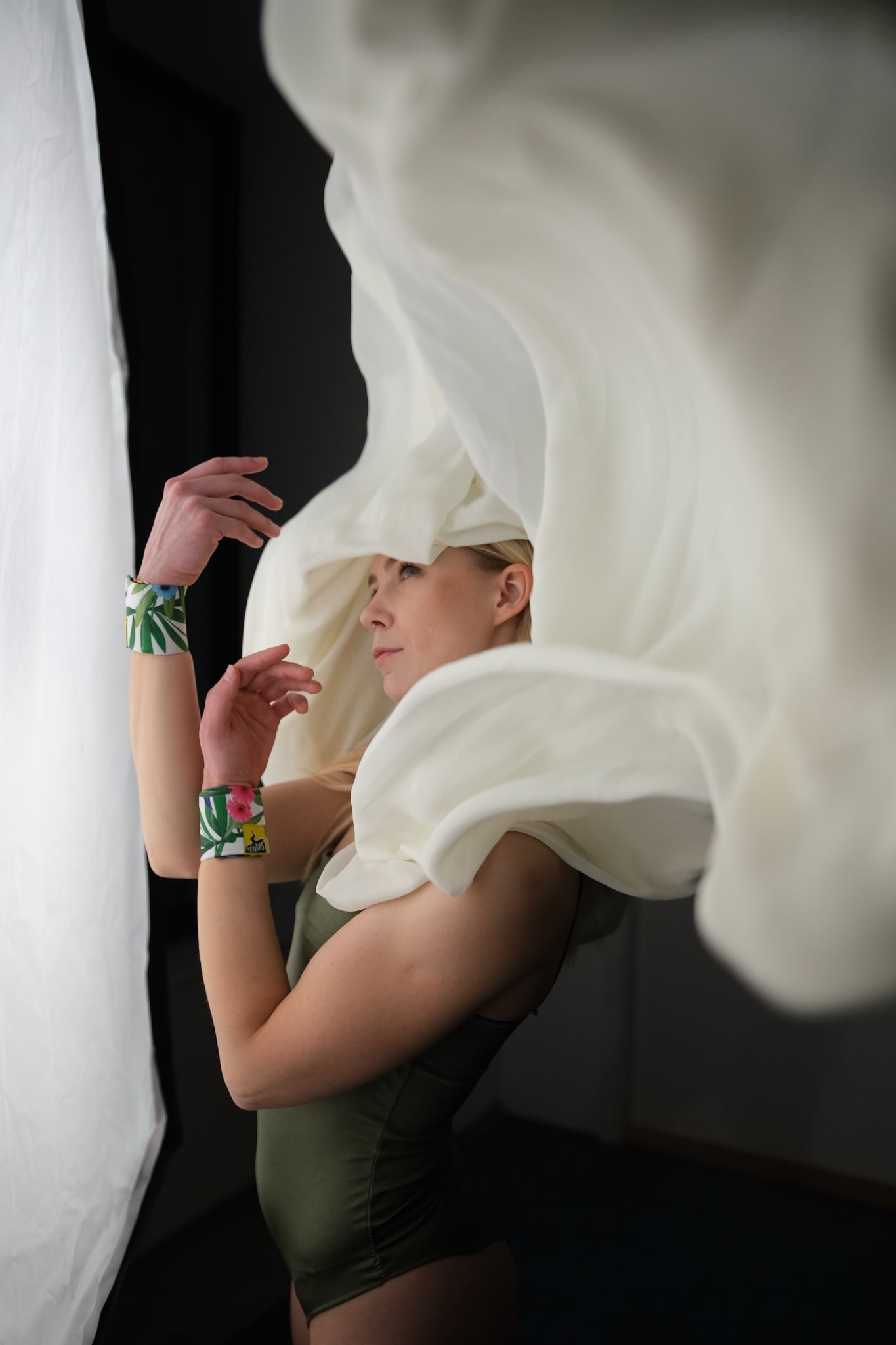
Some people find that once they're cleared to train, a firm wrist wrap makes sessions more comfortable through compression and warmth, and it can remind you to keep a neutral wrist instead of letting it tip towards the little finger. It won't change the length of your ulna or take the place of the splint your specialist recommends, so please treat it as a comfort item and nothing more.
When should you see a doctor?
See a GP, physio or hand specialist if pinky-side pain has lasted more than two weeks despite rest, keeps coming back whenever you grip, wakes you at night, or comes with clicking, weakness or loss of forearm rotation. Get urgent help after a fall if your wrist is swollen, misshapen, very painful or you can't move it, or if your hand becomes numb.
Ulnar impaction can sound alarming when you first hear the name, but it's a well-understood problem with a clear path of treatment, and many people manage it without surgery. For a refresher on other causes of wrist pain, head to our wrist pain causes guide, and once you're on the mend, how to strengthen your wrists has gentle progressions to discuss with your physio.
More in Wrist pain
- Wrist Pain Causes: Why Your Wrist Hurts and Where It Hurts
- Wrist Pain Medicine and Treatments: From Home Care to the Doctor
- Pain on Your Wrist Bone: Bumps, Lumps and What to Do
- De Quervain's Tenosynovitis: Thumb-Side Wrist Pain Explained
- Wrist Pain on the Pinky Side: Causes, Self-Care and When to Get Help
- Wrist Pain When Bent: Why It Hurts and 5 Ways to Ease It
- 10 Acupressure Points for Arm and Wrist Pain: A Gentle Self-Care Guide
Questions people ask
What does ulnar impaction pain feel like?
It's usually a deep ache on the little-finger side of the wrist that builds over time and flares with strong gripping, turning the palm down or tipping the wrist towards the little finger. Some people notice clicking, mild swelling or a weaker grip as well.
What is positive ulnar variance?
It means the ulna is longer relative to the radius than usual at the wrist. It can be something you're born with or the result of an old injury, such as a radius fracture that healed shorter, and it increases the load on the pinky side of the wrist.
Can ulnar impaction heal without surgery?
Many people improve with non-surgical care such as activity changes, a splint, anti-inflammatory medication and sometimes an injection. Surgery is usually only considered if symptoms continue despite a proper trial of these treatments.
What is the difference between ulnar impaction and a TFCC tear?
A TFCC tear is often sudden, after a fall or twist, while ulnar impaction is a gradual pressure problem caused by the ulna pushing into the wrist. The two can overlap, because wear of the TFCC is part of how ulnar impaction develops.
How long is recovery after ulnar shortening surgery?
Recovery takes a number of months and includes a period of protection followed by rehab, with the bone needing time to heal. Your surgeon will give you a timeline based on your procedure and your activities.
Sources we checked
Written by
Masha Pinner
Pole dance teacher at Pandora Art of Pole in Slovenia and former fashion designer. Masha started SneakyDeez in 2017 after years of teaching on sore wrists, and she still designs every pair.
Read Masha’s story