The short version
- Pinky-side (ulnar) wrist pain most often involves the TFCC cushion or the ECU tendon, and it usually flares with twisting, gripping and leaning on the hand.
- Pole grips, yoga poses where weight rolls onto the outer heel of the hand, and straight-bar lifting all load the pinky side heavily.
- Spreading weight through the index finger side, using neutral grips and cutting back on twisting help most mild cases settle.
- Clicking with weakness, a snapping tendon, tingling in the ring and little fingers, or pain after a fall all need a professional to look at it.
- A firm wrist wrap can make training more comfortable through compression and warmth, but it won't repair a tear or an unstable tendon.
Pain on the pinky side of the wrist (doctors call it ulnar-sided wrist pain) most often comes from the TFCC, a small cartilage and ligament cushion between your forearm and wrist bones, or from irritation of the tendon that runs along that edge, called the ECU. It tends to flare with twisting, gripping and leaning on your hand, which is why pole, yoga and lifting are such common triggers. Most cases settle with smarter loading and time, but pain after a fall, clicking with weakness, or tingling in your ring and little fingers should be checked.
The pinky side is the fussiest part of the wrist, and I hear about it constantly from students. It's where your forearm rotates, where a lot of grip force ends up and where the wrist is designed to be mobile rather than heavy-duty, so a lot of different structures are packed into a small space. This guide covers the general causes of pinky-side pain and what you can do about it. If you've already been told you have ulnar impaction, our separate article on ulnar impaction syndrome goes into that specific condition.
What's on the pinky side of your wrist?
Hold your arm out with the palm down and feel the knob on the little-finger side. That's the end of your ulna. Just beyond it, between the ulna and the small wrist bones, sits the triangular fibrocartilage complex, or TFCC. It works a bit like the meniscus in your knee, cushioning load and helping keep the two forearm bones stable as you turn your palm up and down. Running in a groove right next to the ulna is the extensor carpi ulnaris (ECU) tendon, which helps bend the wrist back and towards the little finger. On the palm side you'll find the pisiform, a pea-shaped bone you can feel at the heel of your hand, and the ulnar nerve on its way to your ring and little fingers.
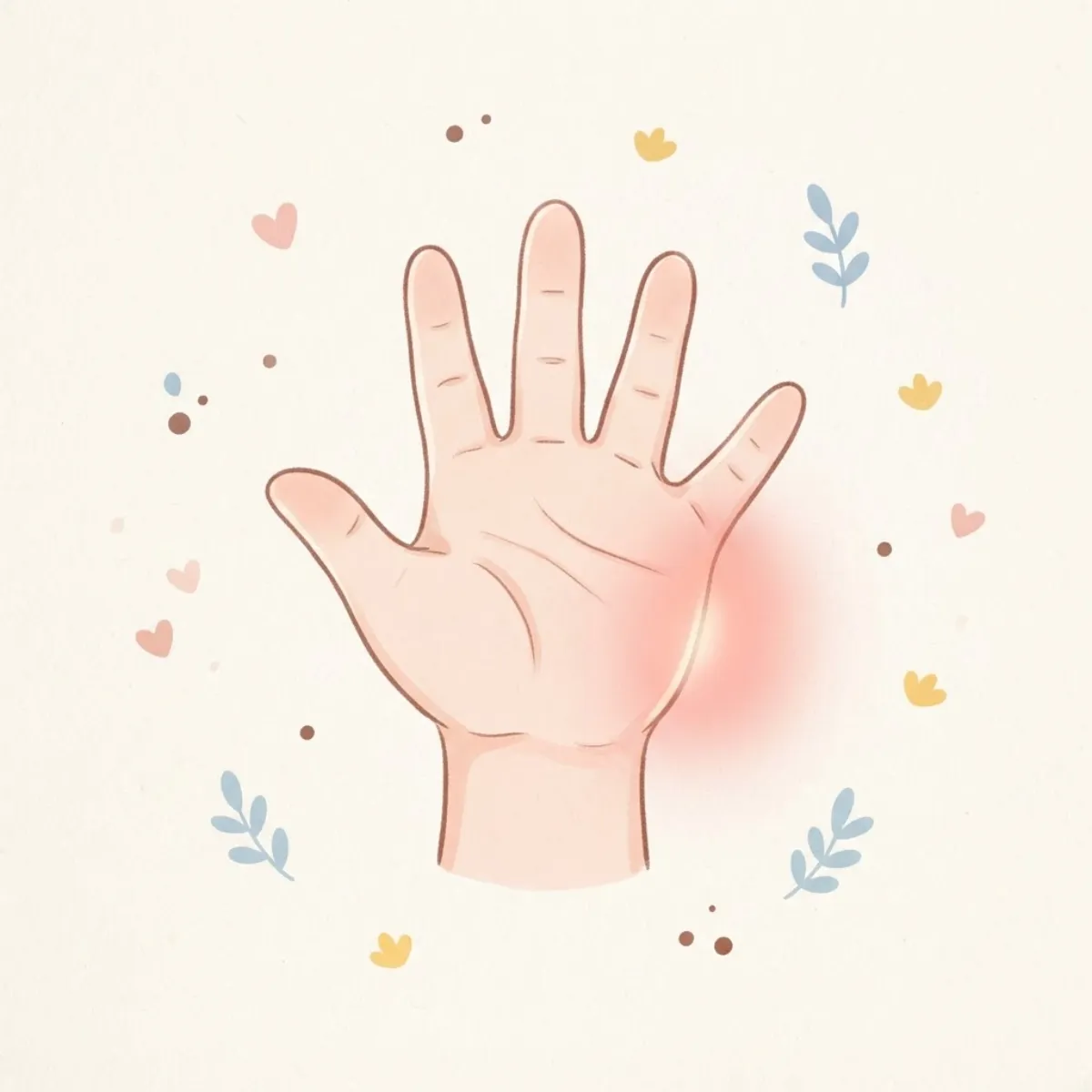
Because all of that is crammed together, Mayo Clinic describes ulnar wrist pain as having many possible causes, and it can take a careful examination, and sometimes imaging, to work out which one is yours.
What are the most common causes of pinky-side wrist pain?
TFCC irritation or tear
The TFCC can be torn suddenly, typically by falling onto an outstretched hand or by a forceful twist, or it can wear down gradually with repeated loading and rotation, which becomes more common with age. Cleveland Clinic lists the typical signs as pain on the pinky side, clicking or popping when you rotate your wrist or forearm, a weaker grip and sometimes swelling. Everyday tasks like turning a key, opening a jar or pushing yourself up from a chair can be the moments it bites.
ECU tendon irritation or snapping
The ECU tendon can get irritated by repetitive wrist movement, especially combined with turning the palm up and down, and you'll often feel tenderness along the back of the wrist on the pinky side. In some people the tendon can also slip out of its groove, giving a visible or audible snap when you rotate your forearm, usually as the palm turns up. It's seen in sports like tennis, golf and rowing, and in anyone who does a lot of rotating under load.
Ulnar impaction
This is when the end of the ulna presses too hard against the wrist bones and the TFCC, usually because the ulna is a little long compared with the radius. It tends to come on gradually and gets worse with gripping and with the palm turned down. It has its own article because it's diagnosed and treated a bit differently.
Problems at the heel of the hand
Pain lower down, at the fleshy heel of the hand on the little-finger side, can come from the joint around the pisiform bone or, after a hard knock, from a fracture of a small hook-shaped part of the hamate bone. That fracture is classically linked to golf clubs, racquets and bats, where the handle presses into the palm during a strong swing.
Ulnar nerve irritation
If the main symptom is tingling, numbness or weakness in your ring and little fingers rather than pain on a spot, the ulnar nerve may be irritated where it passes through a small tunnel at the wrist. OrthoInfo notes this can happen with pressure on the palm over time, which is why cyclists who lean on their handlebars can get it. Our cycling wrist pain guide covers that in more detail.
Why does pole, yoga or lifting make the pinky side hurt?
Each of these loves to load the outside edge of the wrist, just in slightly different ways.
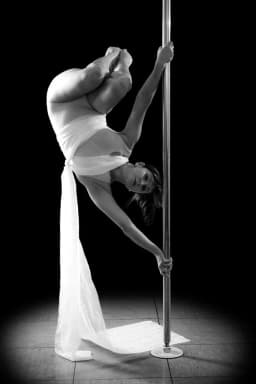
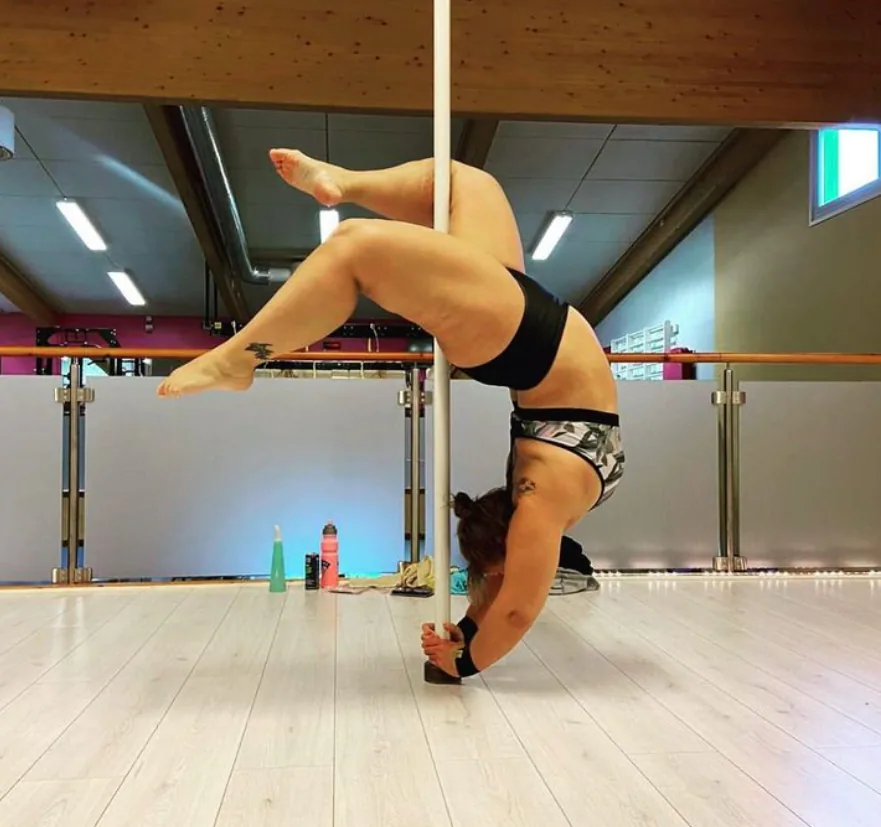
On the pole, your wrist is often bent towards the little finger while gripping hard, and many holds and spins add rotation on top. Cup grip, twisted grip and spinning pole all put extra twisting force through the TFCC area, and the bottom hand in many holds pushes into the pole with the pinky edge of the palm. If you pole, our guide to wrist pain in pole dancing looks at specific moves.
In yoga, it's common to let the weight roll onto the outer heel of the hand in downward dog, plank, chaturanga and arm balances, which leaves the pinky side carrying most of the load while the index finger side floats. Spreading the weight evenly across the hand makes a big difference, and there's more on that in yoga wrist pain remedies.
With weights, a straight barbell forces the forearm to turn fully palm-up in curls, the front rack position bends the wrist back hard, and heavy gripping work squeezes the ulnar side. Switching to an EZ bar, dumbbells or a neutral grip often feels much kinder while things settle.
How can you ease pinky-side wrist pain yourself?
If there was no injury, you don't have numbness or weakness, and the pain is mild, these are sensible steps to try for a couple of weeks:
- Find your trigger and reduce it. Notice whether it's twisting, gripping or weight-bearing that hurts most, and cut back on that specific thing rather than stopping everything.
- Load the whole hand. In weight-bearing positions, spread your fingers wide and press down through the base of your index finger and thumb so the pinky edge isn't doing all the work.
- Choose friendlier grips. Neutral grips (palms facing each other) are usually more comfortable than fully palm-up or palm-down ones while the area is sore. On the pole, give twisted grip and spinning work a rest for a while.
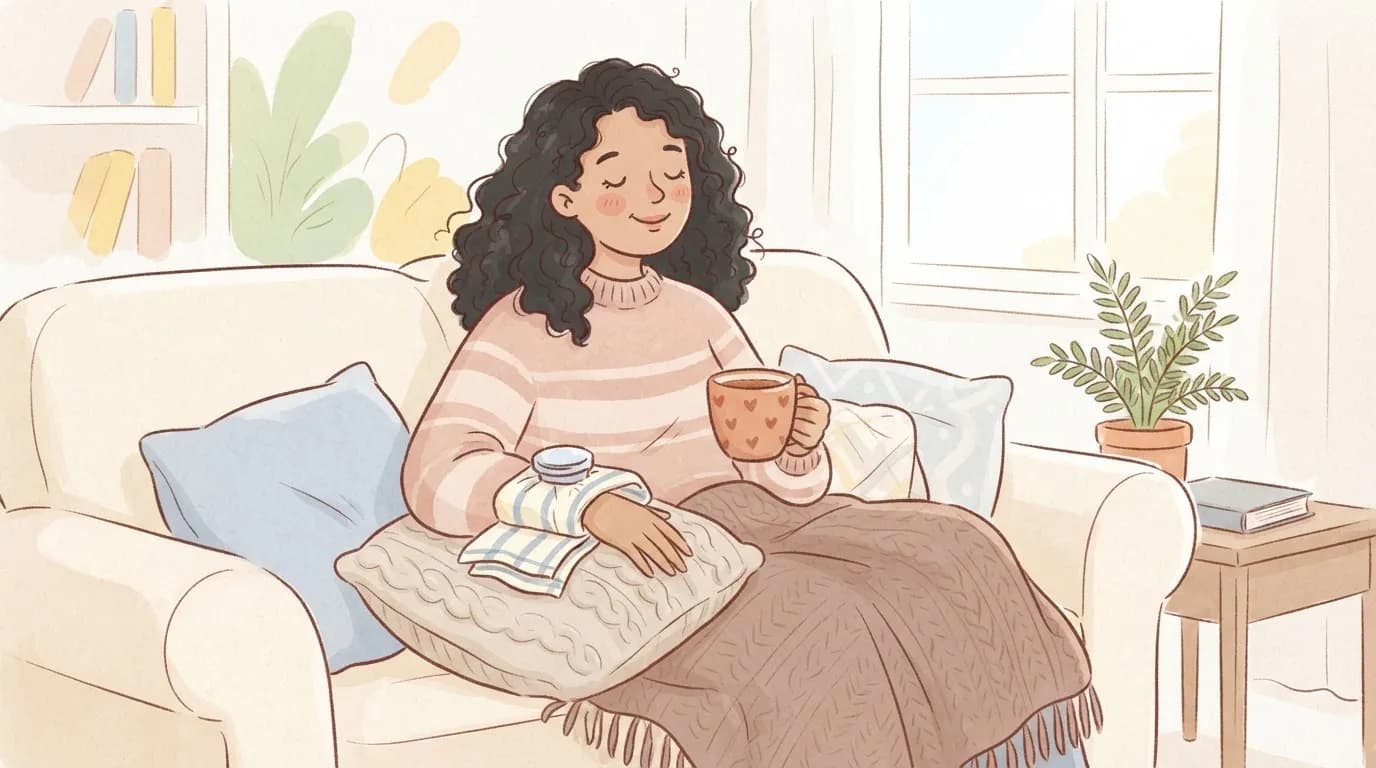
- Calm flare-ups. A cold pack wrapped in a towel for up to 20 minutes after training can take the edge off, and a pharmacist can advise you on whether a painkiller or anti-inflammatory gel suits you.
- Rebuild gradually. Once pain has settled, gentle forearm rotation and grip strengthening help the wrist tolerate load again. Start light, keep it pain-free and build over weeks. See how to strengthen your wrists for ideas.
Masha's tip: When the pinky side is sore, try a simple test before class. Put your hands on the floor in a tabletop position and slowly shift your weight from the little-finger side to the thumb side. If the pain eases when you press through your index knuckle, that's a strong hint that spreading your load better will help you in class too.
Can a wrist wrap help with pinky-side pain?
Many people with a sensitive ulnar side find that firm compression around the wrist feels more comfortable while they train. A snug wrap gives a feeling of stability around that knob of bone, adds warmth and reminds you to keep your wrist in a neutral line instead of letting it sag towards the little finger. That's the reason I made SneakyDeez sit low on the wrist with strong elastic, so the support is where the load is and your grip on the pole stays your own.
A wrap won't repair a TFCC tear or reposition a slipping tendon, and if your wrist feels unstable or clunks, it needs a professional rather than a stronger wrap. For training niggles, though, it can make sessions more comfortable. The 8 cm width covers more of the wrist if you'd like a bit more coverage, and fit matters, so check your size first.
When should you see a doctor or physio?
Pinky-side pain can be hard to pin down, so don't feel you have to figure it out alone. Get urgent care if you fell or twisted your wrist and it's very swollen, misshapen or you can't move or grip with it. Book an appointment with a GP, physio or hand specialist if:
- it clicks or clunks and feels weak or unstable, especially after an injury
- a tendon visibly snaps over the bone when you turn your palm up
- you have tingling, numbness or weakness in your ring and little fingers
- the heel of your hand is sore after a hit from a club, racquet or bat
- the pain hasn't improved after two weeks of looking after it, or it wakes you at night
They'll usually examine the wrist carefully, check how it moves and where it's tender, and may arrange an X-ray, ultrasound or MRI. Many TFCC and tendon problems are managed without surgery, often with a period of rest or a splint and a progressive rehab programme. Our overview of wrist pain medicine and treatments explains the options you might hear about.
The good news is that most pinky-side pain improves once you work out what's aggravating it and give it a fair chance to calm down. In the meantime you can keep training your legs, core and flexibility, and come back to the heavy grip work when your wrist is ready. For the bigger picture of what else can cause wrist pain, head back to our wrist pain causes guide.
More in Wrist pain
- Wrist Pain Causes: Why Your Wrist Hurts and Where It Hurts
- Wrist Pain Medicine and Treatments: From Home Care to the Doctor
- Ulnar Impaction Syndrome: Symptoms, Diagnosis and Treatment
- Pain on Your Wrist Bone: Bumps, Lumps and What to Do
- De Quervain's Tenosynovitis: Thumb-Side Wrist Pain Explained
- Wrist Pain When Bent: Why It Hurts and 5 Ways to Ease It
- 10 Acupressure Points for Arm and Wrist Pain: A Gentle Self-Care Guide
Questions people ask
What does a TFCC tear feel like?
People usually describe pain on the little-finger side of the wrist that gets worse with twisting or leaning on the hand, sometimes with clicking or popping and a weaker grip. Small tears and wear-related irritation can settle without surgery, but if you suspect one, especially after a fall, have it examined.
Why does the pinky side of my wrist hurt when I twist it?
Turning the palm up and down loads the TFCC and moves the ECU tendon in its groove, so both are commonly irritated by twisting. Opening jars, turning keys and pole moves that need a twisted grip are typical triggers.
How long does ulnar-sided wrist pain take to heal?
Mild irritation often improves over a few weeks once you reduce the aggravating movements, while tears and tendon problems can take longer and may need a splint and rehab. If you see no improvement after two weeks, get it assessed.
Is it OK to keep doing yoga or pole with pinky-side wrist pain?
Often you can keep training if you modify the moves that hurt, for example by spreading weight across the whole hand, working on forearms, or skipping twisted grips for a while. Stop anything that causes sharp pain, and get it checked if it isn't improving.
Why do my ring and little fingers tingle?
Tingling or numbness in those two fingers suggests the ulnar nerve is irritated, either at the wrist or further up at the elbow. Pressure on the heel of the hand, as in cycling, can contribute, and it's worth seeing a doctor if it doesn't go away.
Shop the fix
Wraps made for exactly this
Handmade in Slovenia by a pole teacher, with firm compression that sits low on the wrist.
Sources we checked
Written by
Masha Pinner
Pole dance teacher at Pandora Art of Pole in Slovenia and former fashion designer. Masha started SneakyDeez in 2017 after years of teaching on sore wrists, and she still designs every pair.
Read Masha’s story