The short version
- Carpal tunnel syndrome usually causes tingling, numbness or pain in the thumb, index and middle fingers, often worse at night.
- A rigid night splint that keeps the wrist straight is the most common first-step support, and the NHS says it can take up to six weeks to help.
- Sports compression wraps can make training feel more supported, but they aren't a carpal tunnel treatment and shouldn't be worn tight or overnight.
- Neutral-wrist options like push-up handles, forearm planks and shorter holds let many people keep training while symptoms settle.
- Constant numbness, a weak grip or a flatter thumb muscle means see a doctor promptly.
For carpal tunnel syndrome, the support most often recommended is a rigid splint worn at night that keeps your wrist straight, because symptoms tend to flare when the wrist bends while you sleep. Soft sports wraps and compression bands do a different job: they can make training feel more supported, but they don't treat carpal tunnel, and if they're too tight they can make tingling worse.
I get asked about this a lot by dancers and gym people, so this guide is for active people who've noticed pins and needles in their fingers. It covers what carpal tunnel is, how to tell if your symptoms fit, why night splints are the usual first step, and how to think about supports and training while you get it sorted. Please treat it as background reading before you see a doctor or physio, rather than a diagnosis.
What is carpal tunnel syndrome?
The carpal tunnel is a narrow passage on the palm side of your wrist, formed by the small wrist bones underneath and a tough ligament across the top. The median nerve runs through it into your hand, together with the tendons that bend your fingers. When the space gets tighter, for example from swelling around those tendons, the nerve gets squeezed and starts to complain.
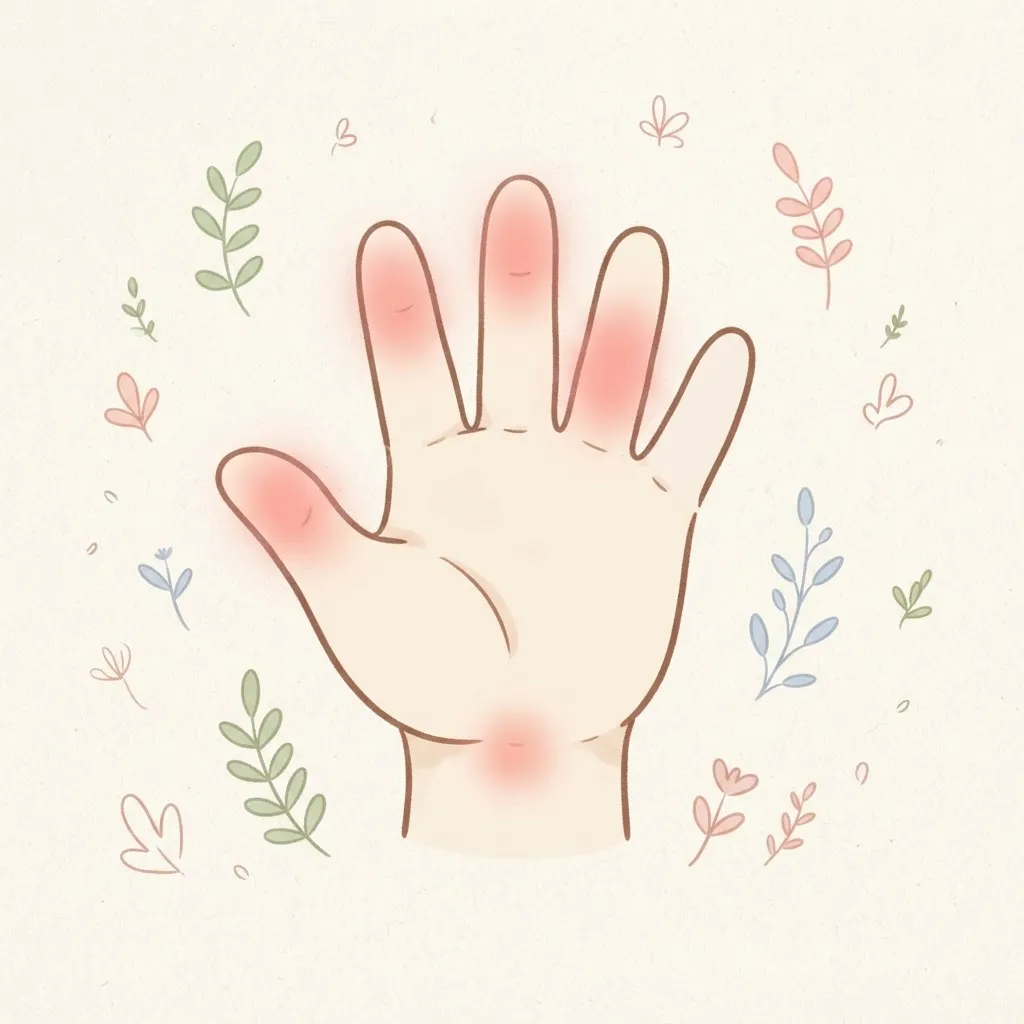
That nerve supplies feeling to the thumb, index finger, middle finger and the thumb side of the ring finger, which is why carpal tunnel symptoms usually leave the little finger alone. If your tingling is mainly in your little finger and half your ring finger, a different nerve is more likely to be involved, which is something a doctor can sort out.
What are the symptoms of carpal tunnel in active people?
According to the NHS and OrthoInfo, the typical signs are:
- tingling, pins and needles or numbness in the thumb, index and middle fingers
- aching or burning in the hand, sometimes spreading up the forearm
- symptoms that are worse at night or first thing in the morning, sometimes waking you up
- a weaker grip, clumsiness, or dropping things
- wanting to shake your hand out to get the feeling back
In sport you might notice it during or straight after a session, when your fingers go fuzzy partway through a handstand practice, a long bike ride or a grip-heavy pole class. It usually comes on gradually, so it's easy to ignore at first.
Why do people who train get carpal tunnel?
Carpal tunnel has lots of possible contributors, and many of them have nothing to do with exercise. OrthoInfo lists heredity (some people simply have a smaller tunnel), pregnancy, diabetes, rheumatoid arthritis and thyroid problems, and it's more common in women and as we get older. On top of that, repeated hand use and holding the wrist in strongly bent positions for a long time can add pressure.
In training, the positions that tend to aggravate symptoms are:
- Long periods of weight-bearing with the wrist bent back, such as handstands, yoga flows, push-ups, planks and floorwork
- Sustained tight gripping, from pole holds, bars, kettlebells or climbing, or from squeezing a racket handle through a long match, which our tennis and padel wrist guide looks at in more detail
- Leaning on handlebars for a long time, especially with the wrists bent, which is a classic one for cyclists (see our guide to wrist pain from cycling)
- Vibration, from tools or sometimes rough terrain on a bike
Why are night splints the usual advice for carpal tunnel?
Lots of us sleep with our wrists curled up, and a bent wrist raises the pressure inside the carpal tunnel. A night splint holds the wrist in a straight, neutral position so the nerve gets a break for several hours. That's why symptoms that wake you at night are often the first thing a splint helps with.

The NHS says it may take up to six weeks of wearing a splint at night before you notice an improvement. It's also fair to say the research isn't strong: a Cochrane review on splinting for carpal tunnel found the evidence was limited, though night splints may lead to more people reporting short-term improvement and don't seem to cause harm. Because they're simple, cheap and low risk, they stay a common first step, usually alongside changing the activities that set symptoms off.
Masha's tip: if you're getting tingling in class, don't wait for it to become a nightly thing. Tell your teacher, swap the long holds on bent wrists for other options for a few weeks, and book in with a GP or physio while it's still mild.
What can a sports wrist support do, and what can't it?
This is where people get confused, because "wrist support" covers very different products. The table below shows how they compare.
| Night splint | Daytime working splint | Sports compression wrap | |
|---|---|---|---|
| What it does | Holds the wrist straight while you sleep | Limits bending during aggravating tasks | Gives snug, even compression and warmth, wrist still moves |
| Used for carpal tunnel? | Yes, a common first step | Sometimes, on advice | Not as a treatment |
| Good for training? | No | Usually too restrictive | Yes, for comfort and a supported feeling |
| Watch out for | Fit, comfort | Stiffness from wearing it too much | Too tight over the palm side can increase tingling |
I designed SneakyDeez for pole dancers whose wrists ache from heavy load, so they're firm elastic wraps that sit low on the wrist and leave it free to bend and grip. Plenty of people like the warmth and stability they give during training. But they aren't a medical device and they don't hold your wrist in neutral, so they're not a substitute for a night splint or for getting carpal tunnel diagnosed.

If you already have carpal tunnel symptoms and want to wear any compression wrap for training, check with your doctor or physio first, wear it snug rather than tight, and take it off straight away if your fingers start tingling more. Don't sleep in a sports wrap. Our guides on what a wrist support brace is and wrist compression sleeves go into the different types in more depth.
Can you keep training with carpal tunnel symptoms?
Often you can keep training in some form, but it makes sense to change what you do while symptoms settle, and to agree a plan with a physio. These are the kinds of changes that commonly help:
- Find a neutral wrist. Do push-ups on dumbbells, push-up handles or parallettes so your wrist stays straight, and swap long planks on hands for forearm planks.
- Break up long holds. Shorter handstand attempts, shorter grip sequences on the pole, and more rest between them.
- Change your grip. Thicker handles, chalk so you don't have to squeeze as hard, and not death-gripping everything.
- Cyclists: move your hands around the bars often, keep the wrists straight rather than bent back, and consider padded gloves and a bike fit.
- Outside training: notice how you sleep, hold your phone and type, because hours of bent wrists there add up too. Our typing and desk wrist guide has ideas.
OrthoInfo mentions nerve gliding exercises, which help the median nerve slide more freely, and the NHS notes hand exercises may help a little. Ask a physio or hand therapist to show you these so you do them right. For general strength once symptoms have settled, see how to strengthen your wrists.
When should you see a doctor about carpal tunnel?
See a GP if symptoms keep coming back, are getting worse, wake you regularly at night, or haven't improved after a few weeks of changing your activities and using a night splint. Go sooner if the numbness becomes constant, your grip is noticeably weaker, or the muscles at the base of your thumb look flatter than on the other hand, because those suggest the nerve is under more pressure.
A doctor can confirm what's going on, sometimes with nerve conduction tests, and talk you through options. Beyond splints these can include steroid injections, which reduce swelling but may give only temporary relief, and for persistent cases a short operation called a carpal tunnel release to give the nerve more room. Our overview of wrist pain medicine and treatments explains these options in more detail.
More in Sports
- Wrist Pain and Numb Hands from Cycling: Bike Fit, Grips and Gloves
- Wrist Pain from Boxing: Why It Happens and How to Get Relief
- Wrist Support for Bowling: Positioners, Braces and Sore Wrists
- Tennis Wrist Support: 5 Exercises for Stronger Wrists in Tennis and Padel
Questions people ask
Should I wear a wrist brace for carpal tunnel during the day?
Night splints are the usual first step, because that's when bent wrists cause the most trouble. Some people are advised to wear a splint during specific daytime tasks that trigger symptoms, but wearing a rigid brace all day can make the wrist stiff, so follow your doctor's or physio's advice.
Can a compression wrist sleeve help carpal tunnel?
Compression sleeves and wraps don't treat carpal tunnel. Some people find them comfortable during activity, but pressure over the palm side of the wrist can make tingling worse, so check with a professional first and take it off if your symptoms increase.
Can weightlifting or yoga cause carpal tunnel?
Training on its own is rarely the whole story, because things like genetics, pregnancy, diabetes and thyroid problems play a big part. But long periods of weight-bearing with the wrist bent back, or sustained tight gripping, can aggravate symptoms in people who are prone to it.
How do I know if it's carpal tunnel or just a sore wrist?
Carpal tunnel mostly causes tingling, numbness or burning in the thumb, index and middle fingers, often at night, rather than pain in one spot of the wrist when you move it. Only a doctor can confirm it, sometimes with nerve tests, so get it checked if your fingers keep going numb.
How long does carpal tunnel take to get better?
It varies a lot. The NHS says a night splint may take up to six weeks to make a difference, and mild cases linked to a temporary cause, such as pregnancy, sometimes settle on their own. Symptoms that persist or get worse need medical review.
Sources we checked

Written by
Masha Pinner
Pole dance teacher at Pandora Art of Pole in Slovenia and former fashion designer. Masha started SneakyDeez in 2017 after years of teaching on sore wrists, and she still designs every pair.
Read Masha’s story