
The short version
- A wrist brace limits movement, usually with straps and a stiff stay, so an irritated or injured wrist can rest.
- Night splints for carpal tunnel and thumb spica splints for thumb-side tendon pain are common examples of rigid braces.
- A flexible elastic wrap supports the wrist while still letting it bend, which suits training rather than recovery.
- If a clinician gave you a brace, follow their plan on how long to wear it, and expect to move back towards normal use and strengthening.
- Swelling after a fall, lasting numbness, night pain or weakness are reasons to see a doctor rather than buy a brace.
A wrist brace is a support that limits how much your wrist can move, usually with straps and often a stiff stay or splint along the palm or back of the hand. Its job is to rest or protect an irritated or injured wrist, which makes it different from a flexible wrap that compresses the joint but lets you bend it freely. If your wrist needs to be kept still, a brace is the right tool, and if it just needs support while it works, a wrap is usually the better fit.
I get asked about braces a lot by students, often by someone who has bought one at the pharmacy and then wonders why they can't do a single move in class while wearing it. So let's go through what a brace really is, the different kinds, and how to tell whether you need one at all.
What is a wrist brace made of?
Most braces are built from the same few parts, and once you know them it's much easier to read a product description.
- The body is the fabric that wraps around the wrist and lower forearm, commonly neoprene, breathable knit or foam-lined fabric.
- Straps, usually hook-and-loop, let you tighten the brace in two or three places.
- Stays or splints are strips of metal or firm plastic sewn into pockets. A palm-side stay stops the wrist bending forwards and backwards, which is what turns a soft support into a proper brace. Many of them can be bent slightly or removed.
- A thumb piece on some braces wraps around the thumb to hold it still as well.
The more of these parts a brace has, and the stiffer they are, the less your wrist can move.
What are the main types of wrist brace?
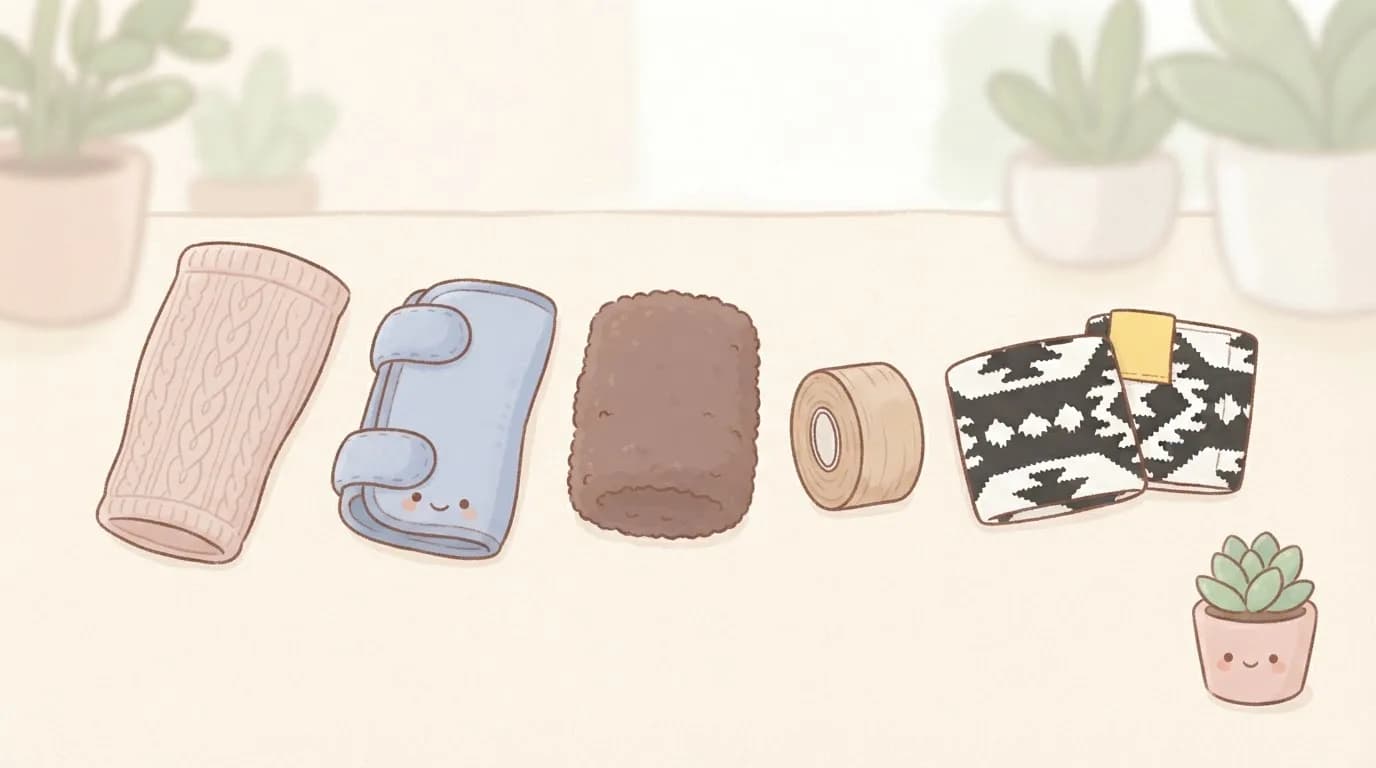
Soft or elastic braces
These have straps but no rigid stay, or only a flexible one. They take the edge off movement and give a firm, supported feeling, and you can still use your hand for most daily things. They're a common choice for a wrist that's sore from overuse and needs a calmer few days.
Wrist splints (often called cock-up splints)
A wrist splint holds the wrist straight, or very slightly bent back, with a firm stay. The classic example is the night splint for carpal tunnel syndrome: the NHS explains that wearing one at night keeps the wrist straight and helps relieve pressure on the nerve, and that it may take a few weeks before you feel a difference (NHS: Carpal tunnel syndrome).

Thumb spica braces
These hold both the wrist and the base of the thumb. OrthoInfo, from the American Academy of Orthopaedic Surgeons, describes a removable splint that keeps the wrist straight and the thumb still as one of the nonsurgical options for De Quervain's, and notes it may help especially when worn at night (OrthoInfo: De Quervain's tendinosis). If your pain is on the thumb side of the wrist, my article on thumb-side wrist pain explains more.
Ulnar or pinky-side wrist bands
These are narrow, firm straps that sit just above the wrist and are often suggested for pain on the little-finger side. They don't hold the wrist still in the way a splint does, so they sit somewhere between a brace and a wrap. Pinky-side pain has a few possible causes, so it's worth reading about pinky-side wrist pain and getting it looked at if it hangs around.
Sport braces with padding
Some braces are built for weight-bearing sports and use a pad or wedge under the heel of the hand to stop the wrist bending all the way back. Gymnasts use these a lot, and a small study of young male gymnasts with wrist pain found they reported less pain while training in a padded brace (Trevithick et al., Journal of Hand Therapy). I go through the options in the best gymnastic wrist supports.
Wrist brace vs wrist wrap: what's the difference?
| Wrist brace | Elastic wrist wrap | |
|---|---|---|
| Main job | Rest and protect the wrist by limiting movement | Compress and support the wrist while you move |
| Rigid parts | Often a metal or plastic stay, sometimes a thumb piece | None |
| Range of motion | Reduced, sometimes almost none | Close to full |
| Typical use | Sprains, tendon flare-ups, night splinting, after an injury | Training under load, like pole, handstands, push-ups and yoga |
| Who decides | Often a doctor, physio or hand therapist | You, based on how your wrists feel in training |
The simplest way I can put it is that a brace is something you wear so your wrist can do less, and a wrap is something you wear so your wrist can keep doing what you ask of it, with a bit of help. If you'd like the full picture of every option, including sleeves and tape, there's a comparison in my guide to the types of wrist support.
When is a brace the right call?
A rigid or semi-rigid brace makes sense when the wrist needs to be kept still for a while. Common situations include:
- a recent sprain, where your doctor or physio wants the wrist protected while the ligaments heal (Cleveland Clinic notes a brace or splint may be used to hold the wrist in a neutral position during healing, Cleveland Clinic: Sprained wrist)
- numbness or tingling in the fingers at night, which is often linked to carpal tunnel syndrome and where a night splint is the usual first step
- thumb-side tendon pain that flares every time you grip or lift
- after a fracture, once the cast comes off, if your clinician wants you in a removable splint for a while
- a sudden flare-up where every movement hurts and you need a few days of real rest
In all of these, it's worth getting a proper assessment first, because the type of brace and how long you wear it really do depend on what's wrong.
When is flexible support the better choice?
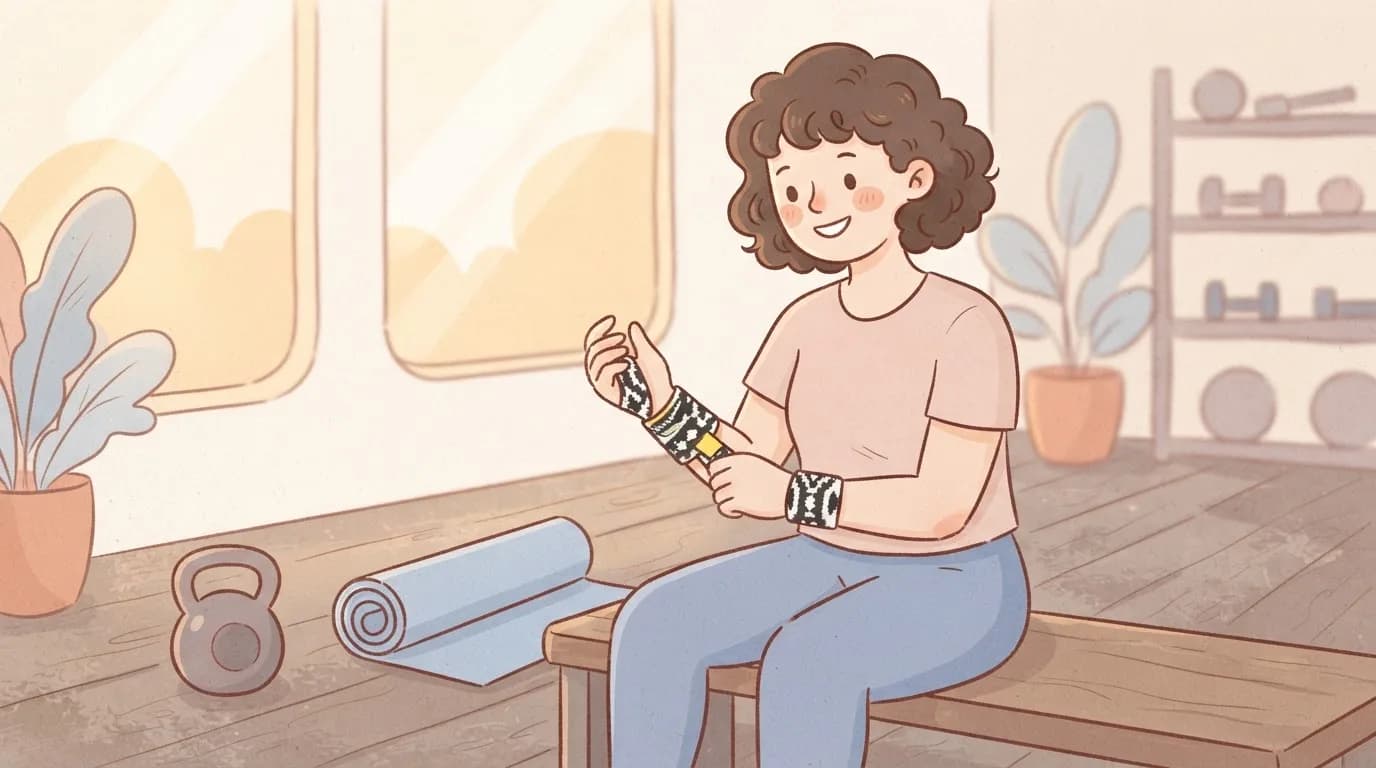
If your wrist isn't injured but feels tired, achy or a bit vulnerable when you load it, a brace usually gets in the way more than it helps. You can't do a handstand, a pole spin or a downward dog with a metal stay stopping your wrist from bending, and if you try, you'll just move awkwardly and put strain somewhere else.
That's exactly the problem I had when I started making SneakyDeez. I needed something firm enough to make my wrists feel held through a full day of teaching, but without anything that locked the joint, so I designed a wrap with firm elastic compression that sits low on the wrist and leaves your grip alone. If you're curious what compression on its own can and can't do, I've written about that in wrist compression for support and recovery, and there are fitting tips in how to wear wrist wraps properly.
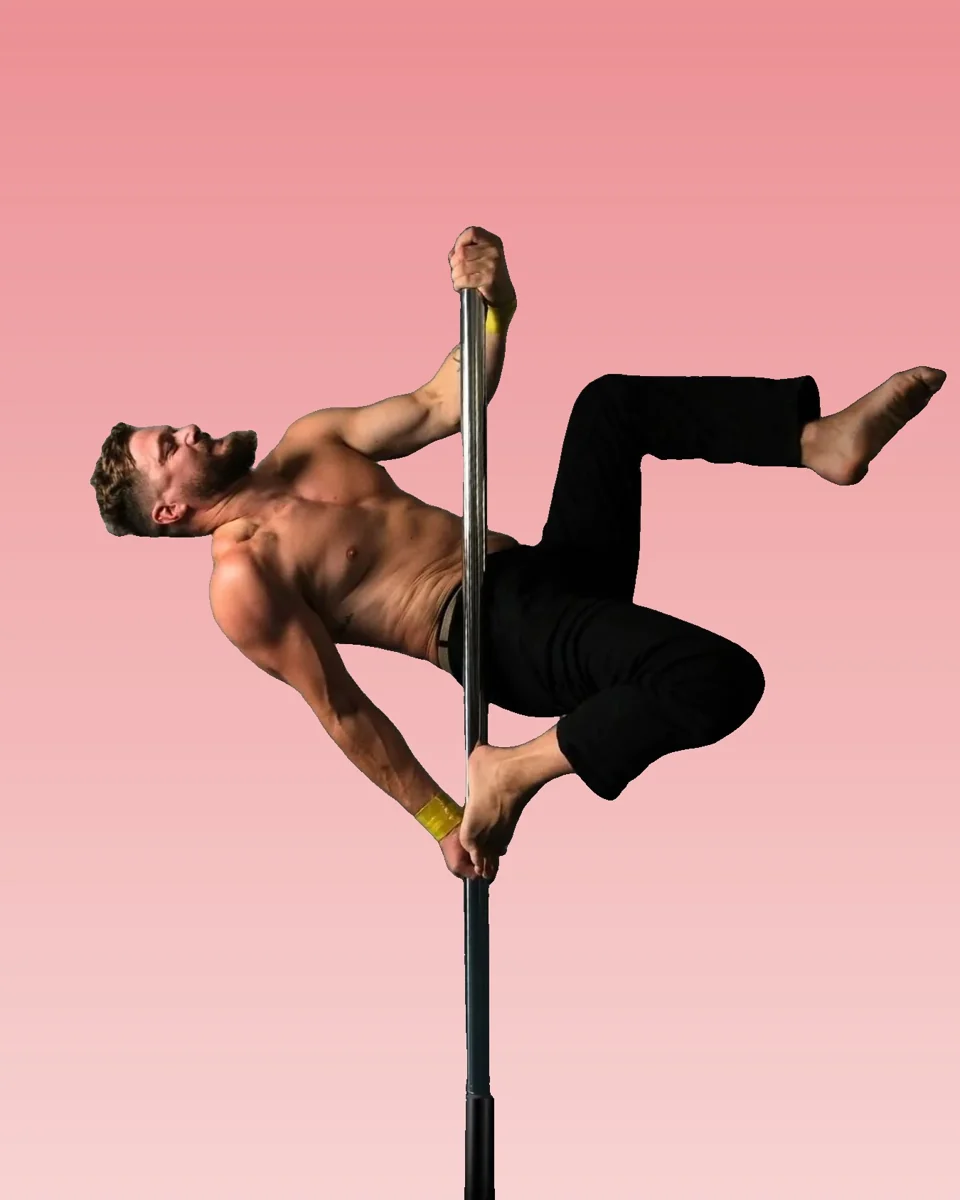
Masha's tip: If you're not sure whether you need a brace or a wrap, think about what you want your wrist to do while you wear it. A brace only makes sense when the honest answer is “as little as possible for a while”, and if you want to get through a normal class, you're looking for a wrap. If lifting straps are on your list too, my guide to wrist wraps vs straps vs braces compares all three.
How should a wrist brace fit, and how long should you wear it?
A brace should feel snug and supportive without pinching, and the stay should sit along the middle of your palm side rather than digging into the edge. Do the straps up firmly, but if your fingers tingle, go cold, turn pale or blue, or swell, it's too tight. Take it off and loosen it.
How long to wear it is the part people get wrong most often. If a clinician gave you the brace, follow their plan on hours and weeks. If you bought it yourself for a minor strain, use it for the activities that hurt and take it off for rest periods so you're not wearing it around the clock for weeks. Wrists usually get stiff quickly when they're held still, so gentle movement within comfort is generally part of getting better.
Can wearing a wrist brace weaken your wrist?
Wearing a brace for a short period while something heals is unlikely to cause problems, but wearing a rigid brace all day for months without a reason can leave the wrist stiff and the forearm muscles less used to working. That's why most rehab plans move you from a brace back to normal movement and then on to strengthening. When you get to that stage, my guide on how to strengthen your wrists has exercises you can start with.
When should you see a doctor instead of buying a brace?
Please don't treat a brace as a substitute for a diagnosis. See a doctor or physio if you have swelling or bruising after a fall, a wrist that looks out of shape, numbness or tingling that doesn't go away, pain that wakes you at night, a grip that has got weaker, or pain that hasn't improved after about two weeks of resting it. After a fall onto an outstretched hand, get it checked quickly even if it seems fine, because some wrist fractures are easy to miss.
If your wrist is healthy and you just want support for training, have a look at my article on when wrist support helps and when it doesn't, and when you're ready, the shop has pairs in every colour you can think of.
More in Wrist supports & wraps
- Types of Wrist Support: Wraps, Sleeves, Braces, Splints and Tape Compared
- Wrist Wraps vs Straps vs Braces: Which One Do You Actually Need?
- How to Measure Your Wrist Size for Wrist Wraps (With Size Chart)
- How to Wash Wrist Wraps So the Elastic Stays Firm
- Upcycled Fabric: How SneakyDeez Wrist Wraps Are Made
- Wrist Compression for Support and Recovery: What It Does and What It Doesn't
- The Best Gymnastics Wrist Supports: What Gymnasts, Calisthenics Athletes and Pole Dancers Use
- When Should You Wear Wrist Support? A Simple Decision Guide
Questions people ask
Should I wear a wrist brace all day?
Only if a doctor or therapist has told you to. For a minor strain, most people wear a brace during the activities that hurt and take it off for rest so the wrist doesn't stiffen. Night splints for carpal tunnel are usually worn just while you sleep.
Can I sleep in a wrist brace?
Yes, some braces are designed for exactly that. The NHS describes wearing a wrist splint at night for carpal tunnel syndrome to keep the wrist straight. Make sure it isn't tight enough to cause numbness, coldness or swelling.
Is a wrist brace or a wrist wrap better for working out?
For training with a healthy but achy wrist, a flexible wrap is usually better because it supports the joint without stopping it from bending. A brace makes sense when the wrist actually needs to be kept still, which is not compatible with most weight-bearing exercise.
How do I know if my wrist brace is too tight?
Your fingers should look and feel normal. Tingling, numbness, coldness, swelling or skin turning pale or blue means it is too tight, so take it off and loosen the straps. Light marks that fade within a few minutes are normal.
What does the metal bar in a wrist brace do?
The metal or plastic stay stops the wrist bending forwards and backwards. It usually sits on the palm side and holds the wrist straight or slightly bent back, which takes load off irritated tendons and nerves.
Do I need a prescription for a wrist brace?
Many braces and splints can be bought over the counter at pharmacies or online. It is still a good idea to get a diagnosis first, because the right type and how long to wear it depend on what is causing the pain.
Sources we checked
Written by
Masha Pinner
Pole dance teacher at Pandora Art of Pole in Slovenia and former fashion designer. Masha started SneakyDeez in 2017 after years of teaching on sore wrists, and she still designs every pair.
Read Masha’s story