The short version
- In the first couple of days, stop the poses that hurt, use a cold pack wrapped in a towel for up to 20 minutes at a time, and keep the wrist gently moving.
- Relative rest works better than total rest for most mild aches, so keep practising standing, seated and lying poses that don't load the wrist.
- Return to weight-bearing in stages, from supported tabletop to short down dogs to knees-down plank, and only move on when the next morning feels fine.
- A snug wrap can make practice feel more comfortable and stable during the return, but it doesn't replace rest and a gradual build-up.
- See a GP or physio if the pain hasn't improved after two weeks, keeps coming back, or comes with numbness, swelling or weakness.
If your wrist hurts after yoga, ease off weight-bearing poses for a few days but keep the wrist gently moving, use a cold pack wrapped in a towel for up to 20 minutes at a time in the first couple of days, and only go back to full practice once everyday things like pushing a door feel normal. Mild overuse pain often settles within a week or two with this approach. If it hasn't improved after two weeks, or you have numbness, swelling or pain after a fall, see a GP or physio.
This guide is for when the ache is already there. If you're trying to stop it happening in the first place, have a look at our habits for preventing wrist pain in yoga and hand set-up and alignment for yoga once you're feeling better.
What should you do in the first 48 hours?
The first couple of days are about calming things down without letting the wrist seize up. The NHS gives simple self-care advice for wrist pain, and it fits most yoga wrist aches well (NHS: Wrist pain).
- Stop the poses that hurt. Skip down dog, plank, chaturanga and arm balances for now. You don't need to stop using your hand completely, but avoid heavy lifting and hard gripping.
- Cool it down. Wrap an ice pack or a bag of frozen peas in a towel and hold it on the sore area for up to 20 minutes, every 2 to 3 hours if it helps. Never put ice straight on bare skin.
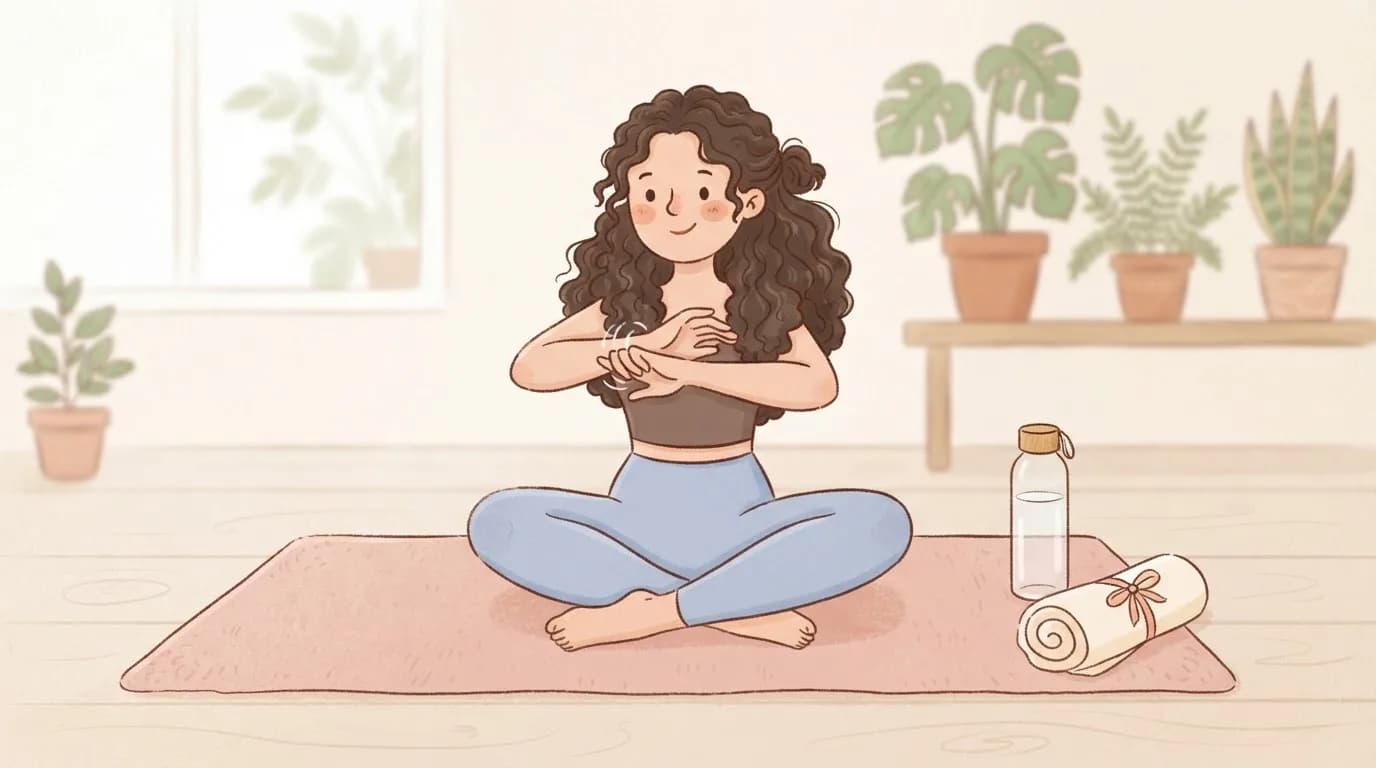
- Keep it moving gently. Slowly open and close your hand and move the wrist through the range that feels comfortable a few times a day, so it doesn't stiffen up.
- Pain relief if you need it. Over-the-counter painkillers can help some people. Follow the label and ask a pharmacist if you're unsure what's right for you, especially if you take other medicines.
- Avoid heat at first. The NHS suggests not using heat for the first 2 to 3 days after an injury.
Our article on wrist pain medicine and treatments goes through the general options in more detail if you want to read further.
Should you rest completely or keep doing yoga?
For most mild overuse aches, relative rest works better than total rest. That means you stop the movements that hurt and keep doing everything that doesn't. Your wrist recovers best with gentle movement and blood flow, and you get to keep your practice and your mood.
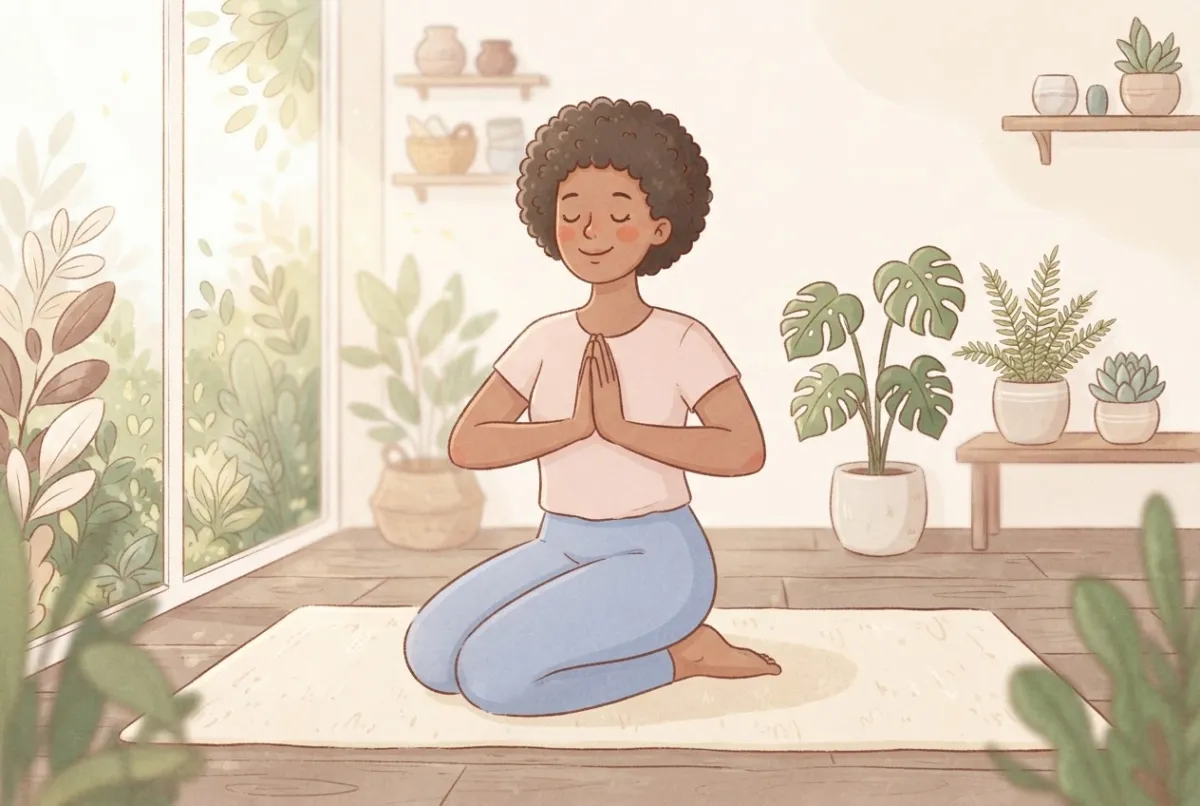
A wrist-friendly practice for these days might look like this.
- Standing poses such as warrior one and two, triangle with your hand on your thigh, tree and chair pose.
- Lunges with your hands on your hips or front thigh instead of the floor.
- Seated and lying work, including hip openers, twists without binds, bridge with arms by your sides and plenty of breathing.
- Forearm versions such as dolphin and forearm plank, but only if they're completely pain-free for your wrist.
Total rest is the right call when the pain started with a fall, when the wrist is swollen or you can't use it normally, or when you have numbness. In those cases, get it checked before you go back to practice.
Is ice or heat better for wrist pain after yoga?
Use cold in the first couple of days, when the wrist feels sore, warm or puffy. Once that early phase has passed and the wrist mostly feels stiff, gentle warmth can feel lovely and help it loosen up before you move it, as long as the heat isn't too hot and you don't fall asleep on it. If heat makes the pain or swelling worse, go back to cold.
Which gentle exercises help a sore wrist?
Once the sharp edge has gone, usually after a few days, these movements help you get your range back without loading the joint. Do them once or twice a day. They should feel like easy, comfortable movement with at most a mild stretch, never pain.
- Wrist bends. Rest your forearm on a table with your hand over the edge. Slowly bend the wrist up and down 10 times.
- Side to side. With your forearm on the table palm down, slide your hand gently towards the thumb side and then the pinky side, 10 times.
- Palm up, palm down. With your elbow bent at your side, turn your palm up to the ceiling and then down to the floor, 10 times.
- Fist and spread. Make a gentle fist, then spread your fingers wide, 10 times.
- Gentle presses. When those feel easy, press your palm lightly into the table for 5 seconds and release, 5 times. This is the first small step back towards weight-bearing.
When those are easy, you're ready to start building strength again. Our guide to strengthening your wrists picks up from here.
How do you ease back into yoga after wrist pain?
Go back in stages, and only move to the next one when the current one is completely comfortable during practice and the next morning. Rushing straight back into a full vinyasa class is the most common way a short-lived ache ends up dragging on for weeks.
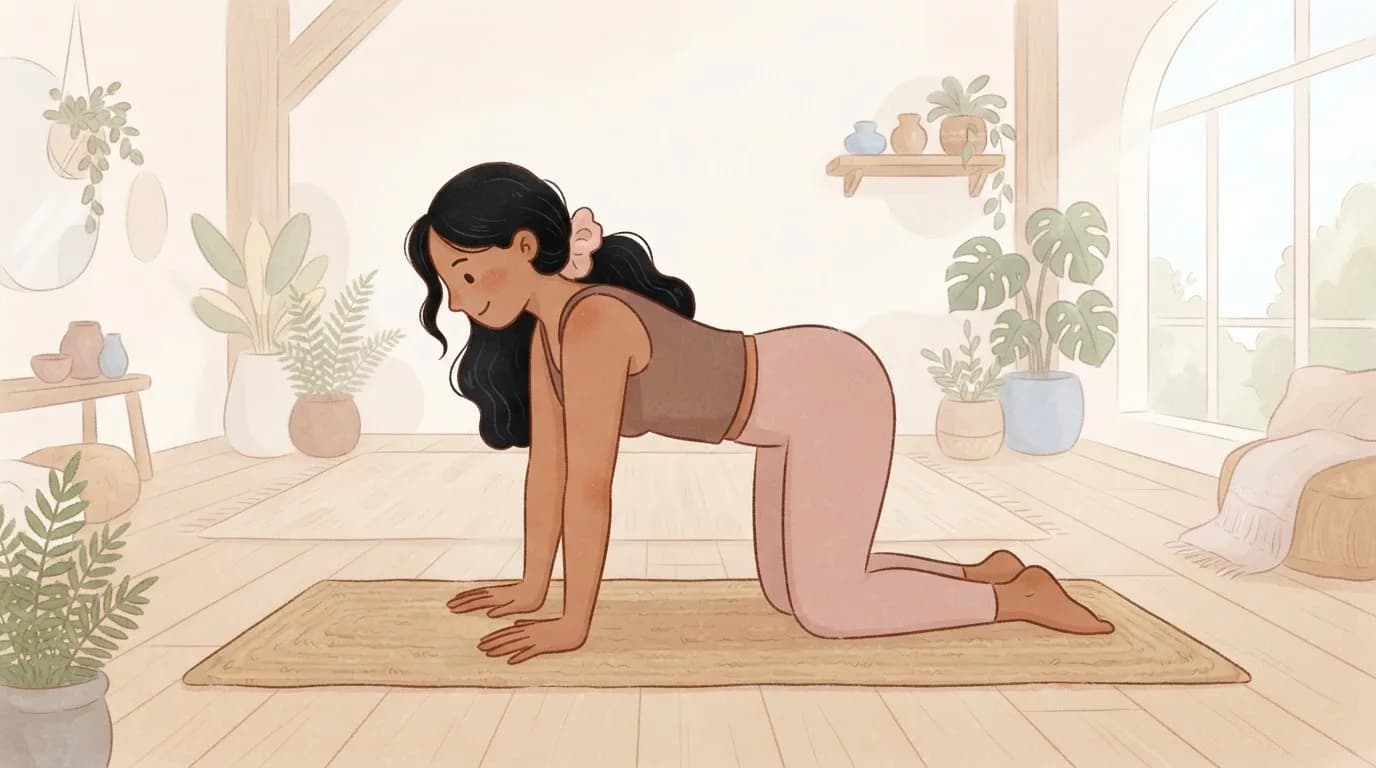
- Tabletop with support. Hands on a wedge, a rolled mat or on fists, with short holds of 3 to 5 breaths.
- Short down dogs. Knees bent, hips well back, 3 to 5 breaths at a time with child's pose in between.
- Knees-down plank and chaturanga. A few at a time, elbows over wrists.
- Full plank and gentle flow. A slower class with fewer vinyasas, and take every second one.
- Your normal practice. Leave arm balances and handstands until last, and build those back gradually.
Masha's tip: Use the next-morning rule. If your wrist feels the same or better the morning after a session, you can stay at that stage or move up. If it feels worse, drop back a stage for a few days.
Does a wrist support help while your wrist recovers?
It can make things more comfortable. The NHS mentions that a wrist splint can help some wrist pain, especially at night, and that's something to ask your GP or physio about if your wrist is sore while you sleep. For practice, a snug elastic wrap gives compression and warmth and helps the wrist feel more stable as you start loading it again.
That's how a lot of people use SneakyDeez when they come back to the mat. They sit low on the wrist and leave your fingers free, so you can still spread your hand and press through the knuckles. A wrap can't heal anything, so it isn't a reason to skip the stages above or to practise through pain. If you're deciding what kind of support suits you, our guide to the best yoga wrist support compares wraps, braces and props.

When should you see a doctor or physio?
Following the NHS guidance, see a GP if your wrist pain stops you doing normal activities, is getting worse or keeps coming back, or hasn't improved after two weeks of home care. Also see a GP if you have tingling or loss of feeling, if your wrist is painful, warm, swollen and stiff, or if you have diabetes (NHS: Wrist pain).
Get urgent help if you think you've broken a bone, if your wrist is a strange shape or colour, if you've lost feeling in your hand, or if you can't move your wrist or fingers properly.
A few patterns are worth a professional look even if the pain is mild. Tingling in the thumb, index and middle fingers that wakes you at night can be a sign of carpal tunnel syndrome (Cleveland Clinic: Carpal tunnel syndrome). Pinky-side pain with clicking or weakness can involve the cartilage on the outer wrist, which often needs a structured rehab plan (Physiopedia: TFCC injuries). To get a better idea of what kind of pain you have before your appointment, read our guide to the types of wrist pain in yoga.
More in Yoga & handstands
- How to Avoid Wrist Pain in Yoga: Hand Set-Up, Alignment and Props
- Types of Wrist Pain in Yoga: What Your Pain Is Telling You, Plus 6 Tips for Relief
- Wrist Pain from Handstands: Why It Happens and How to Train Around It
- Best Yoga Wrist Support: Wraps, Braces or Props?
- Tips to Prevent Wrist Pain in Yoga: Warm-Up, Sequencing and When to Back Off
Questions people ask
Should I do yoga with a sore wrist?
You can usually keep practising, as long as you skip the poses that hurt. Standing poses, lunges with hands on your hips, seated and lying work are generally fine. If the pain came from a fall, the wrist is swollen or you have numbness, get it checked first.
How long does wrist pain from yoga take to heal?
Mild overuse aches often settle within one to two weeks of easing off. Pain that hasn't improved after about two weeks, keeps returning, or is getting worse should be seen by a GP or physio.
Is it better to ice or heat a sore wrist?
Use cold in the first couple of days, wrapped in a towel and for up to 20 minutes at a time. The NHS suggests avoiding heat for the first 2 to 3 days after an injury. After that, gentle warmth can help a stiff wrist loosen up before you move it.
Can I do downward dog with wrist pain?
Leave it out while the wrist is actively sore. When you return to it, start with knees bent, hips well back and short holds of a few breaths, with a wedge or rolled mat under the heels of your hands. Dolphin on your forearms is an option if it's completely pain-free.
Should I wear a wrist brace for yoga wrist pain?
A rigid brace or splint is something to discuss with your GP or physio, especially if your wrist is sore at night. For practice, many people prefer a snug elastic wrap that adds compression and warmth while still letting the wrist bend.
Shop the fix
Wraps made for exactly this
Handmade in Slovenia by a pole teacher, with firm compression that sits low on the wrist.
Sources we checked
Written by
Masha Pinner
Pole dance teacher at Pandora Art of Pole in Slovenia and former fashion designer. Masha started SneakyDeez in 2017 after years of teaching on sore wrists, and she still designs every pair.
Read Masha’s story