The short version
- Most boxing wrist pain comes from the wrist bending on impact, often late in a session when the forearms are tired.
- Pain in the hollow at the base of the thumb after a hard punch should be examined, because a scaphoid fracture can feel like a sprain.
- Proper boxing hand wraps support the hand and wrist under the glove; SneakyDeez compression wraps are for conditioning work, not for bag work under gloves.
- Two or three short forearm strength sessions a week help your wrist stay aligned for longer.
- See a GP if the pain hasn't improved after two weeks, keeps coming back, or comes with numbness or swelling.
Wrist pain from boxing usually comes from the wrist bending at the moment your fist lands, so the force goes into the joint instead of travelling straight up your forearm. Tired forearms, loose hand wraps, worn-out gloves and suddenly doing a lot more bag work all make that more likely. Most of the time it settles with a few days off the bag, better wrapping and some patient work on technique and forearm strength, but sharp pain on the thumb side after a big punch deserves a proper check.
I'm a pole teacher rather than a boxing coach, so I'll stay in my lane on the finer points of punching and point you to your coach for those. What I do know a lot about is wrists that take load over and over again, and the habits that keep them happy.
Why do my wrists hurt after boxing?
Every punch sends a sudden load from your knuckles through the small bones of the wrist into your forearm. When the back of your hand, your wrist and your forearm line up, that load has a straight road to travel along. When the wrist folds even a little on impact, the ligaments and tendons around it have to catch the force, and if that happens a few hundred times a session they start to complain.
These are the things that most often make it happen:
- The wrist bends on contact. It might flex down, cock back, or tip towards the little finger side, which is common in hooks and when you land on the last two knuckles.
- Fatigue. Your forearm muscles hold the wrist steady, and late in a session they get tired, so form that looked fine in round one gets sloppy in round six.
- Loose or rushed wraps. Wraps that slip or barely go around the wrist give you very little support where you need it.
- Gloves that are too light or packed flat. Old bag gloves lose their padding and shape over time, and lighter gloves are usually less forgiving on a heavy bag.
- A big jump in volume. Coming back after a break, or adding extra bag sessions before a fight or grading, is a classic time for wrists to flare up.
- A very hard or badly hung bag. A bag that barely moves gives your wrists a much harsher stop than pads held by a good partner.
If you want the bigger picture of what can cause pain in this joint, my guide to common causes of wrist pain goes through the main ones.
Is it soreness, a strain or something that needs checking?
Where it hurts and how it started tell you a lot. This table is a rough guide to help you decide what to do next, and it isn't a diagnosis.
| What you notice | What it often is | What to do |
|---|---|---|
| A dull ache across the back of the wrist after a long bag session, easing within a day or two | Overload of the tendons and soft tissue | Back off bag work, keep the wrist moving gently, look at wraps and technique |
| Pain on one side when you bend or twist the wrist, worse with each session | A strain or irritated tendon | Rest from punching for a while and see a physio if it isn't settling |
| Pain on the thumb side, in the hollow at the base of the thumb, after one hard punch or a fall | Can be a scaphoid fracture, which is easy to mistake for a sprain | Get it examined and X-rayed, even if it doesn't seem that bad |
| Pain and swelling over the knuckle of the ring or little finger | Can be a fracture of the hand bone, often called a boxer's fracture | Get it checked promptly |
| Ache and clicking on the little finger side of the wrist | Often irritation of the structures on the ulnar side | Rest and a physio assessment if it keeps coming back |
The scaphoid deserves a special mention. The AAOS explains that a scaphoid fracture can feel like a sprain, and because this bone has a fragile blood supply, a missed break can heal badly. If your thumb-side wrist still hurts a few days after a hard shot, please don't just tape it up and carry on. There's more on thumb-side pain in my article on De Quervain's and thumb-side wrist pain, and on the other side in pinky-side wrist pain.
How to get relief in the first few days
For an ordinary overload ache, the first step is simply taking the punching away for a little while. You can still skip, run, do footwork and core work, because none of that hammers your wrists.
- Stop hitting things for a few days. Shadowboxing at an easy pace is usually fine if it doesn't hurt, but leave the bag and pads alone until the ache has gone.
- Cool it if it feels hot or puffy. A cold pack wrapped in a cloth for 10 to 15 minutes can feel soothing after training. Never put ice straight on the skin.
- Keep it moving gently. Slow wrist circles, bending forwards and back and turning the palm up and down, all within a comfortable range, help it feel less stiff.
- Ask a pharmacist about pain relief. The NHS suggests a pharmacist can advise on painkillers and whether a splint makes sense for you. Follow the label.
- Come back gradually. Start with lighter rounds on pads before you go back to full-power bag work.
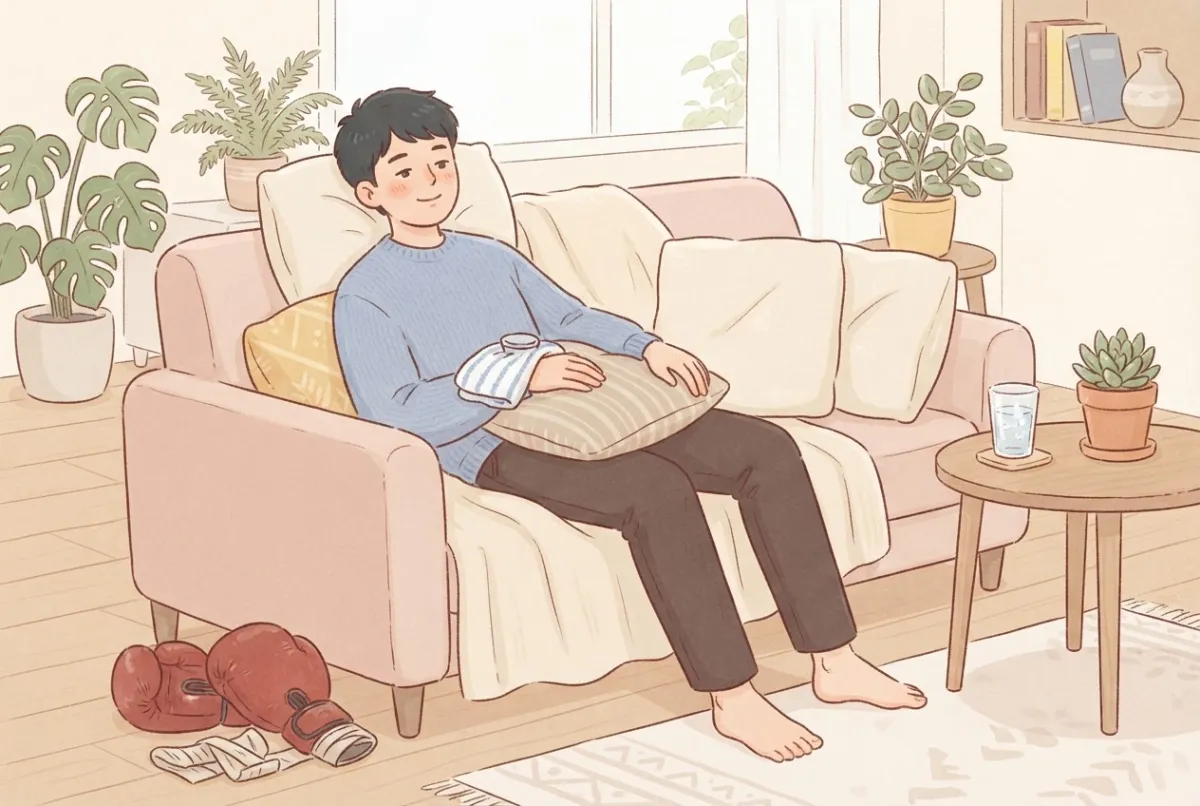
According to the NHS, it's time to see a GP if the pain hasn't improved after two weeks of looking after it at home, if it keeps coming back, or if you have tingling or numbness. Go to urgent care if you heard a snap or crunch, can't move your wrist or grip, or the wrist has changed shape.
Do hand wraps stop wrist pain in boxing?
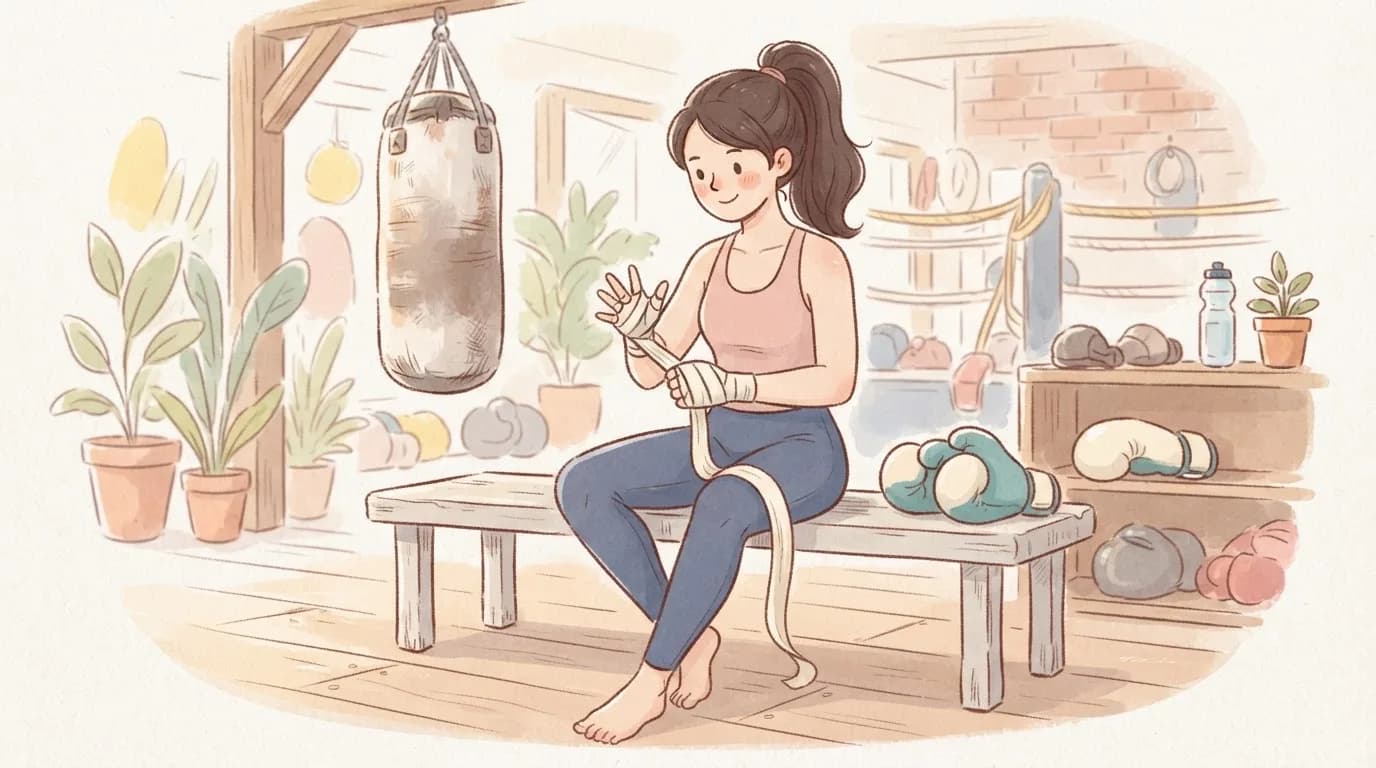
Good wraps help a lot, but they work alongside technique and won't make up for a wrist that collapses on every hook. Boxing hand wraps are long strips of cotton or semi-elastic fabric that you wind around the wrist, across the back of the hand, over the knuckles and often between the fingers. They hold the small bones of the hand together, firm up the wrist and add a little padding over the knuckles, and then the glove goes on top.
A few things that make wrapping work better:
- Spread your fingers and make a loose fist while you wrap, so the wrap isn't too tight when you clench.
- Give the wrist itself several passes, because that's where the support comes from.
- It should feel snug and secure, and your fingers should never tingle, turn pale or go cold. If they do, take it off and start again.
- Ask your coach to watch you wrap once or twice. Everyone learns a slightly different pattern, and they'll know what suits your hands.
I want to be honest about my own product here. SneakyDeez wraps are elastic compression wristbands that I designed for pole dancing and training, and they are not boxing hand wraps. They don't cover your knuckles or hold the bones of your hand together, and they aren't designed to go under a glove for bag work, so please don't use them as a replacement for proper boxing wraps.
Where they can be useful for boxers is on the strength and conditioning side of training. If your sessions include push-ups, burpees, planks, handstand work or kettlebell circuits, a firm compression wrap around the wrist gives you a feeling of support and warmth on those days, and because it sits low on the wrist your grip stays free. You can read more about that in my piece on wrist pain from push-ups.

Punching technique that's kinder to your wrists
Your coach is the right person to fix your punches, but these are the basics most coaches will point out when wrists start to hurt:
- Land with the first two knuckles. The index and middle knuckles line up best with the forearm bones, so the load has a straight path.
- Keep a flat line from the back of your hand to your forearm. Check it in the mirror while shadowboxing, and get a coach or partner to check it on the pads.
- Squeeze the fist at impact and relax in between. A fist that is clenched all the time tires the forearms quickly, while a loose fist on contact lets the wrist fold.
- Watch your hooks and uppercuts. These are where the wrist most often bends sideways, so slow them down and groove the shape before you add power.
- Build up power on the bag gradually. Start each bag session at medium effort and save the hardest shots for when you're warm and fresh.
Masha's tip: Before your first round, give your wrists a proper warm-up: ten slow circles each way, ten gentle bends forwards and back, then some easy shadowboxing. Cold wrists hate sudden impact, and the same warm-up I teach my pole students works just as well in a boxing gym.
How to strengthen your wrists for boxing
Strong forearms keep the wrist steady for longer, so your form holds up later into the session. Do this two or three times a week on non-sparring days, starting light. You should feel the forearm working and warm, and none of it should cause sharp pain.
- Wrist curls: forearm resting on your thigh, palm up, light dumbbell. Curl the wrist up slowly and lower for 3 seconds. 2 to 3 sets of 12 to 15.
- Reverse wrist curls: same set-up with the palm facing down. Use a lighter weight, as this side is usually weaker. 2 to 3 sets of 12 to 15.
- Forearm rotations: hold a hammer or a dumbbell by one end and slowly turn the palm up and down. 2 sets of 10 each way.
- Side-to-side wrist tilts: hold the same hammer upright and tip it forwards and back using only the wrist. 2 sets of 10.
- Grip squeezes: a soft ball or grip trainer, held for 3 to 5 seconds and released. 2 sets of 10.
- Fist planks: once all of the above is easy, try a plank on your fists on a soft mat with your wrists straight, for 15 to 30 seconds. It teaches the same alignment you want when you punch.
My guide on how to strengthen your wrists has more progressions if you want to keep going.
When should a boxer see a doctor about wrist pain?
Please get it looked at if you notice any of these:
- Swelling, bruising or a change in shape after a punch or a fall
- Pain in the hollow at the base of the thumb
- You can't grip, make a fist or bear weight on the hand
- Numbness or tingling in your fingers that doesn't go away
- Pain at night or at rest
- Pain that hasn't eased after a couple of weeks of rest
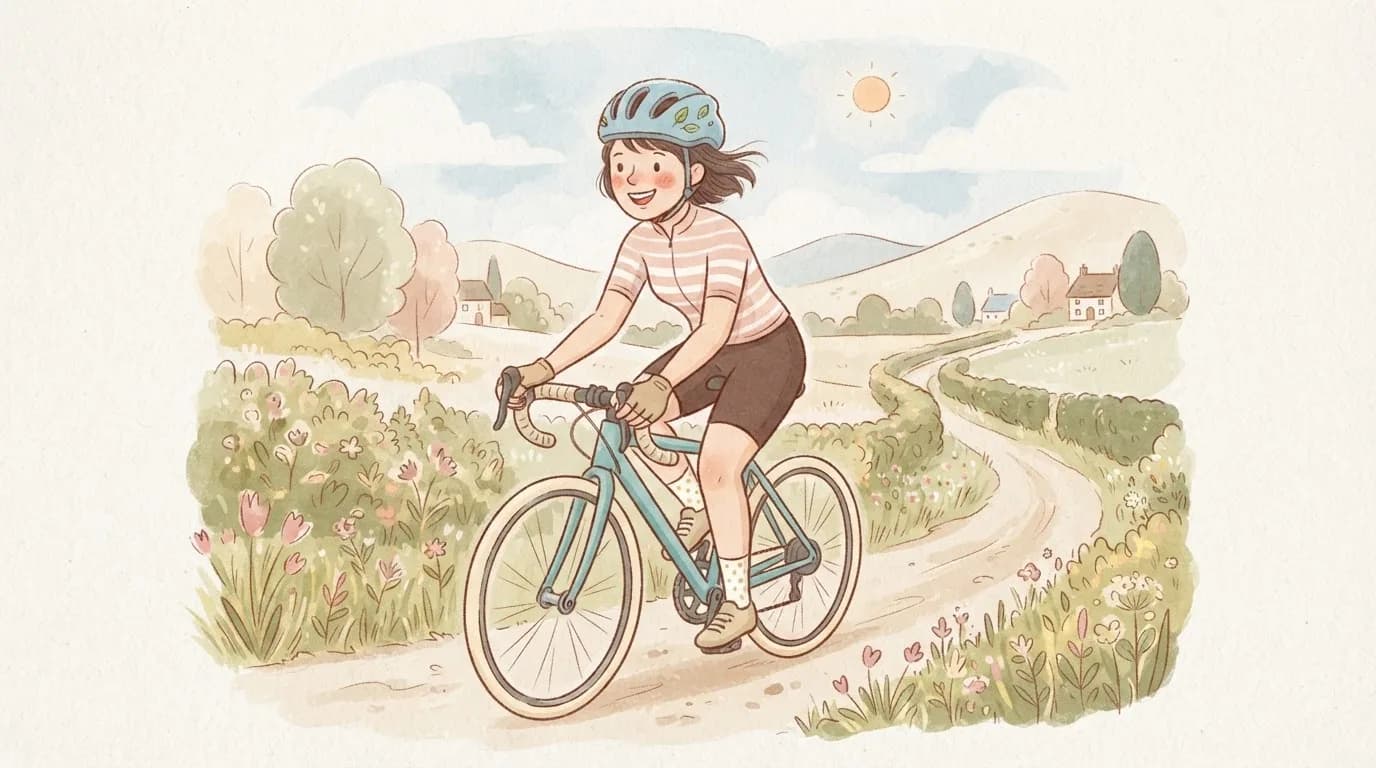
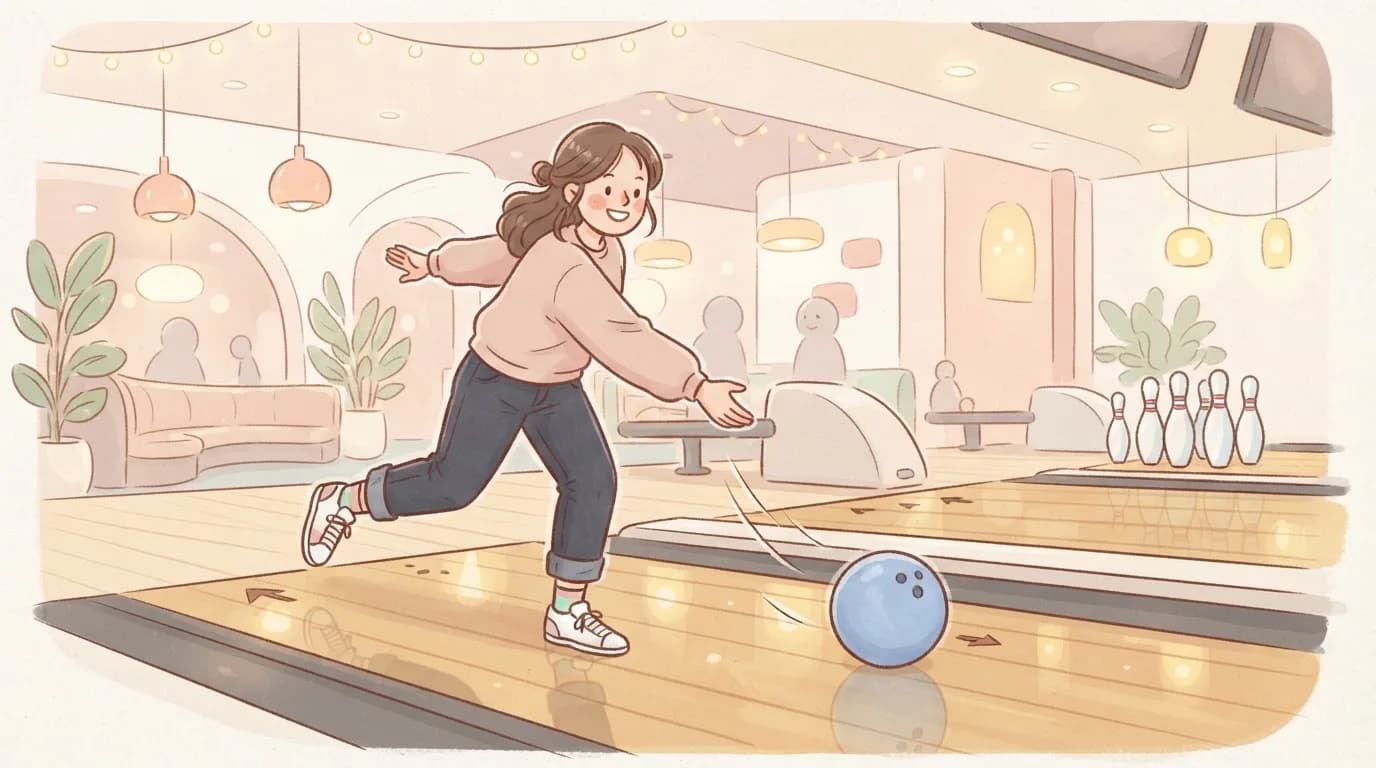
The AAOS guide to wrist sprains and its page on hand fractures explain how these injuries are graded and treated, if you want to read further. Boxing isn't the only sport that's hard on wrists in its own particular way, and you might also like my articles on wrist pain from cycling and wrist support for bowling.
More in Sports
- Wrist Pain and Numb Hands from Cycling: Bike Fit, Grips and Gloves
- Wrist Support for Bowling: Positioners, Braces and Sore Wrists
- Tennis Wrist Support: 5 Exercises for Stronger Wrists in Tennis and Padel
- Best Wrist Support for Carpal Tunnel If You Train or Play Sport
Questions people ask
Should I keep boxing with a sore wrist?
If it's a mild ache, swap bag and pad work for footwork, skipping and conditioning for a few days and let it settle. Punching through pain usually makes it last longer. If it's sharp, swollen or started with one hard punch, stop and get it checked.
Why does only my left wrist hurt from boxing?
For an orthodox boxer the left hand throws the jab and lead hook, often many more punches than the right, and lead hooks are a common place for the wrist to bend sideways. It's worth having a coach look at the shape of your lead hand punches.
How tight should boxing hand wraps be?
Snug enough that the wrist feels firm and the wrap doesn't slip, but never so tight that your fingers tingle, turn pale or feel cold. Wrapping with your fingers spread helps stop it getting too tight when you make a fist.
Can I wear wrist wraps under boxing gloves?
Use proper boxing hand wraps under gloves, because they're designed to support the bones of the hand as well as the wrist. Elastic compression wristbands like SneakyDeez don't cover the knuckles and aren't made for impact work, so keep them for push-ups, planks and other conditioning.
How long does a sprained wrist from boxing take to heal?
Mild sprains often feel much better within a couple of weeks, while more serious ones can take longer and may need a period of support and rehab. If you're not improving after two weeks, see a doctor or physio so a fracture can be ruled out.
Shop the fix
Wraps made for exactly this
Handmade in Slovenia by a pole teacher, with firm compression that sits low on the wrist.
Sources we checked
Written by
Masha Pinner
Pole dance teacher at Pandora Art of Pole in Slovenia and former fashion designer. Masha started SneakyDeez in 2017 after years of teaching on sore wrists, and she still designs every pair.
Read Masha’s story