The short version
- Wrist compression gives a feeling of support, extra feedback about the joint's position and a little warmth.
- Studies on compression garments suggest a modest effect on muscle soreness and strength recovery, but almost none of that research is on the wrist itself.
- Compression does not heal injuries, strengthen the wrist or hold it still like a splint.
- It should feel firm but never cause tingling, numbness, coldness or colour changes in the fingers.
- Wear it for training rather than around the clock, and hand wash and air dry wraps to keep the elastic firm.
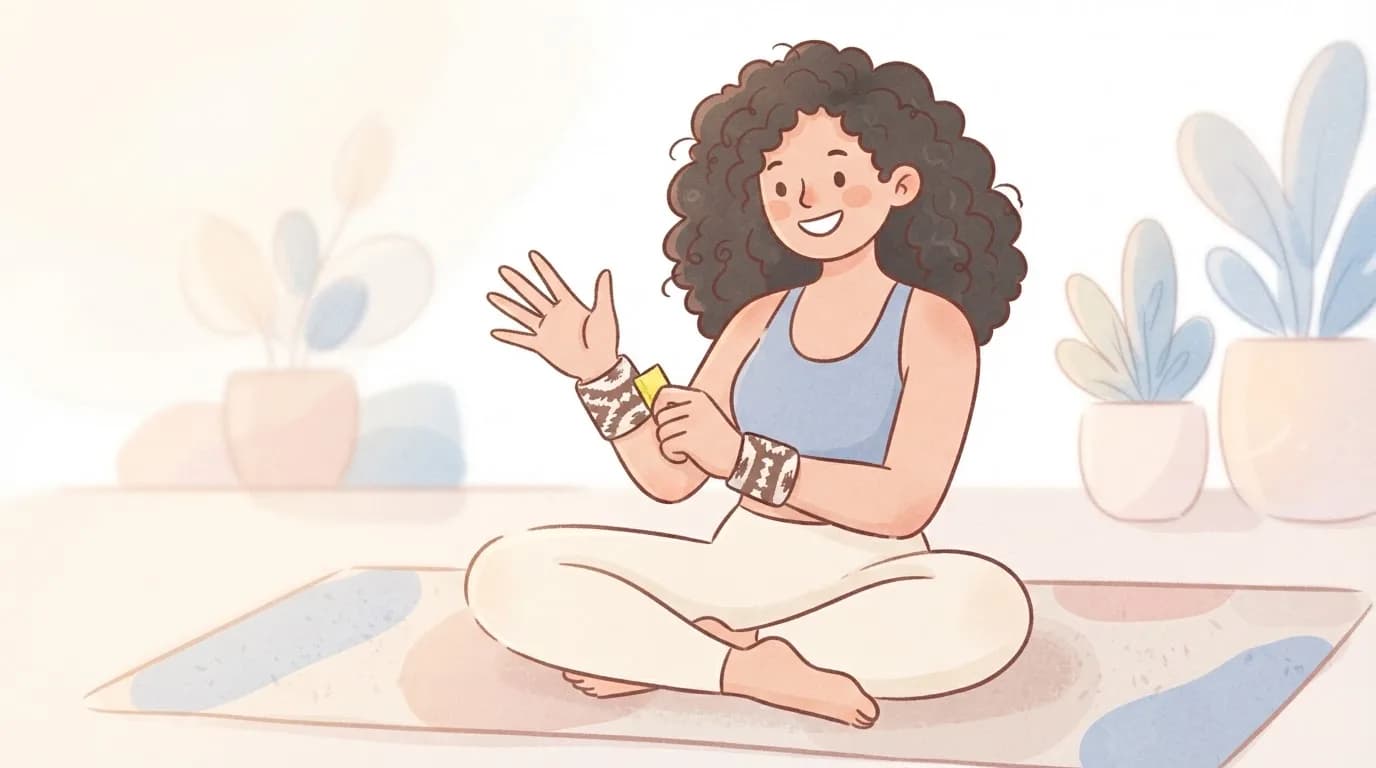
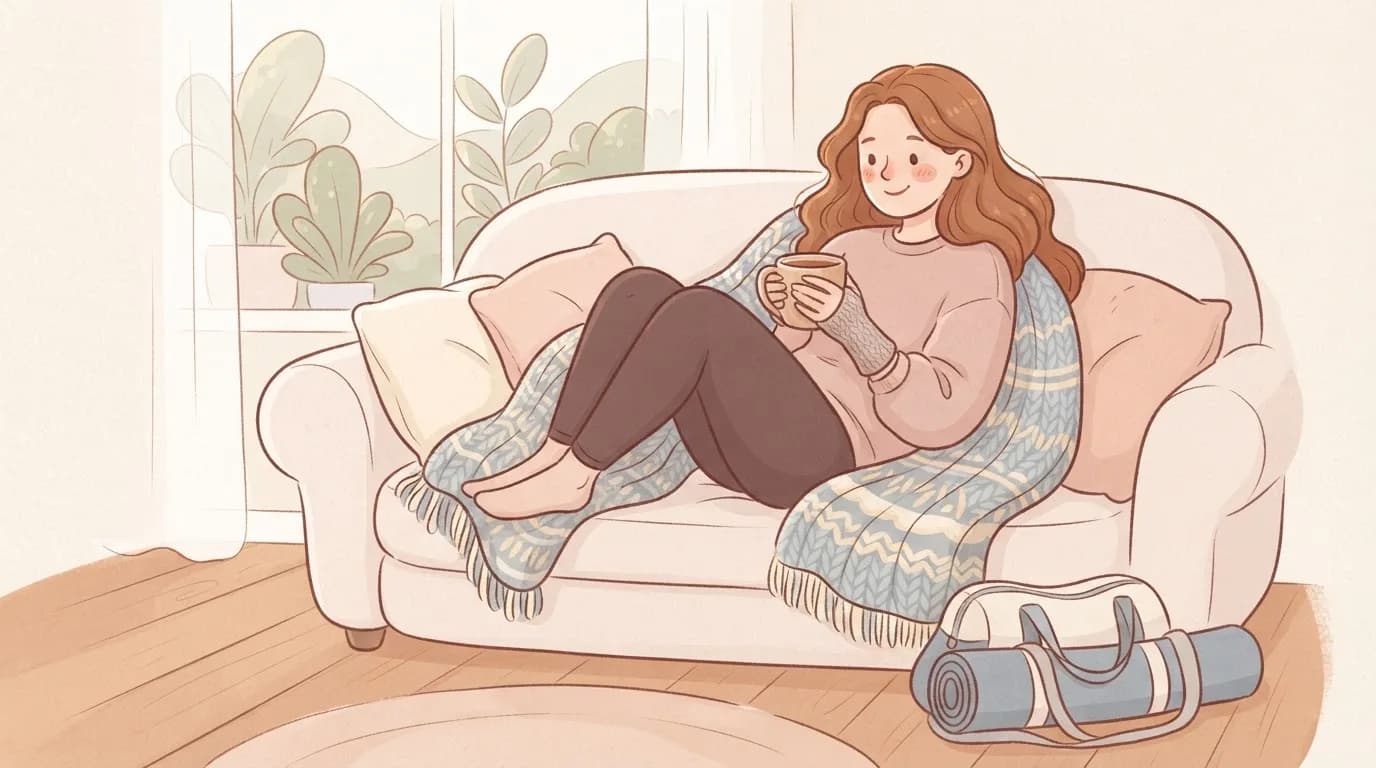
Wrist compression, whether from a sleeve or an elastic wrap, gives the joint an even squeeze that most people feel as support, warmth and a better sense of where their wrist is. Research on compression garments in general suggests they can modestly reduce how sore muscles feel after hard exercise, but there's very little research on the wrist itself, and compression doesn't heal injuries, strengthen the joint or guarantee you won't get hurt. Worn at the right tightness, though, it's a comfortable and low-risk way to make training feel better.
I make compression wraps, so you might expect me to tell you they do everything. I'd rather you knew exactly what you're getting, so this guide covers what compression does, what the evidence actually says, and how to wear it well.

What does wrist compression actually do?
When something presses evenly around your wrist, a few things happen that you can feel straight away.
- It feels supported. The pressure around the joint gives a "held together" sensation that many people find reassuring when they bear weight on their hands.
- It adds feedback. The fabric pressing on your skin gives your brain extra information about the wrist's position. Some researchers think this is part of why compression feels stabilising, although how much it changes movement is still debated.
- It keeps the joint warm. A layer of fabric holds a little heat around the wrist, which feels nicer in a cold studio and alongside a warm-up.
- It can help limit swelling after a minor injury. This is why compression with an elastic bandage is part of the standard first-aid advice for sprains, alongside rest, ice and elevation (Cleveland Clinic: Sprained wrist).
What does the research say about compression and recovery?
Most of the good studies on compression are about garments like tights, socks and full sleeves on big muscle groups, and most are about recovery after exercise rather than joint support. A meta-analysis in the British Journal of Sports Medicine found that wearing compression after muscle-damaging exercise was linked with moderate improvements in muscle soreness and in the recovery of strength and power (Hill et al., 2014). A later meta-analysis in Sports Medicine found the clearest benefits for strength recovery after resistance exercise, particularly more than a day later (Brown et al., 2017).
That's encouraging, but it's worth being careful about what it means for your wrists. Those studies weren't testing small wrist wraps, it's hard to run a blinded trial when people can feel what they're wearing, and the effects were modest. So the fair summary is that compression may help your forearms and wrists feel less sore after a heavy session, and the main reason most people wear it is simply that it makes training feel better.
What wrist compression can't do
I want to be really clear here, because a lot of products promise more than any fabric can deliver.
- It doesn't treat or heal tendon problems, sprains, carpal tunnel or any other condition.
- It doesn't make your wrist stronger. Only training does that, which is why I always pair support with wrist strengthening exercises.
- It doesn't hold the wrist in a safe position the way a splint does. If your wrist needs to be kept still, you need a brace, and you can read about the difference in what a wrist brace is.
- It can't promise you won't get injured, because injuries come from load, technique, fatigue and luck, and a sleeve only changes one tiny part of that picture.
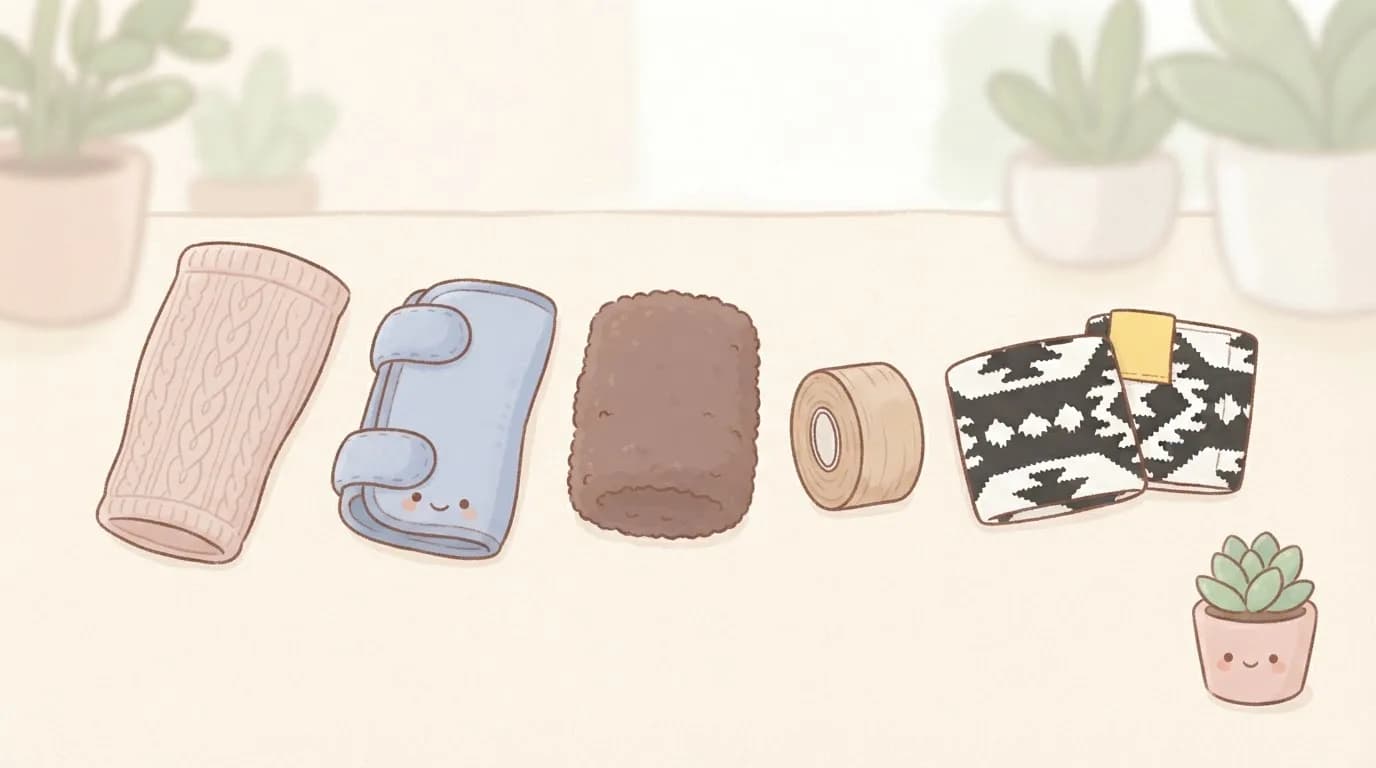
Compression sleeve or compression wrap?
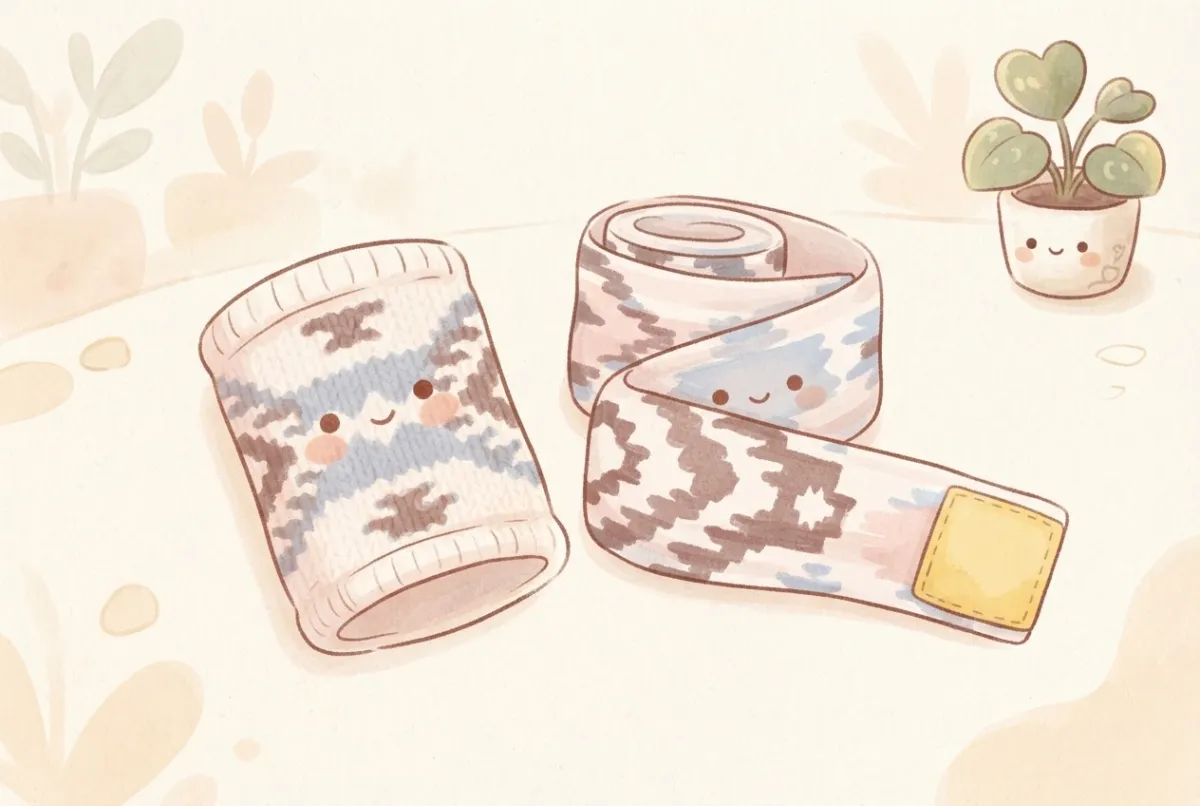
Both give compression, but they feel quite different in use.
| Compression sleeve | Compression wrap | |
|---|---|---|
| How it goes on | Pulled on over the hand like a tube | Closed around the wrist |
| Tightness | Fixed by the size you buy | Adjustable each time you put it on |
| How firm it feels | Usually light to moderate | Usually firmer, focused on the joint |
| Coverage | Often wrist and part of the forearm | The wrist joint itself |
| Best for | Everyday comfort and warmth | Training that loads the wrist, like pole, handstands and push-ups |
If you want to see where these sit among all the other options, my overview of types of wrist support compares them with braces, splints and tape.
How tight should a wrist compression sleeve or wrap be?
It should feel firm but never numbing, and the easiest checks are on your hand rather than the wrist:
- Look at your fingers after a couple of minutes. They should be their normal colour, not pale, blue or blotchy.
- Feel your fingertips. Any tingling, pins and needles, coldness or numbness means it's too tight.
- Try the edge. With a sleeve, you should be able to slide a finger under the edge without a struggle.
- Check the marks when you take it off. Light lines that fade within a few minutes are normal. Deep red marks that last a long time mean go a size up or close a wrap a little looser.
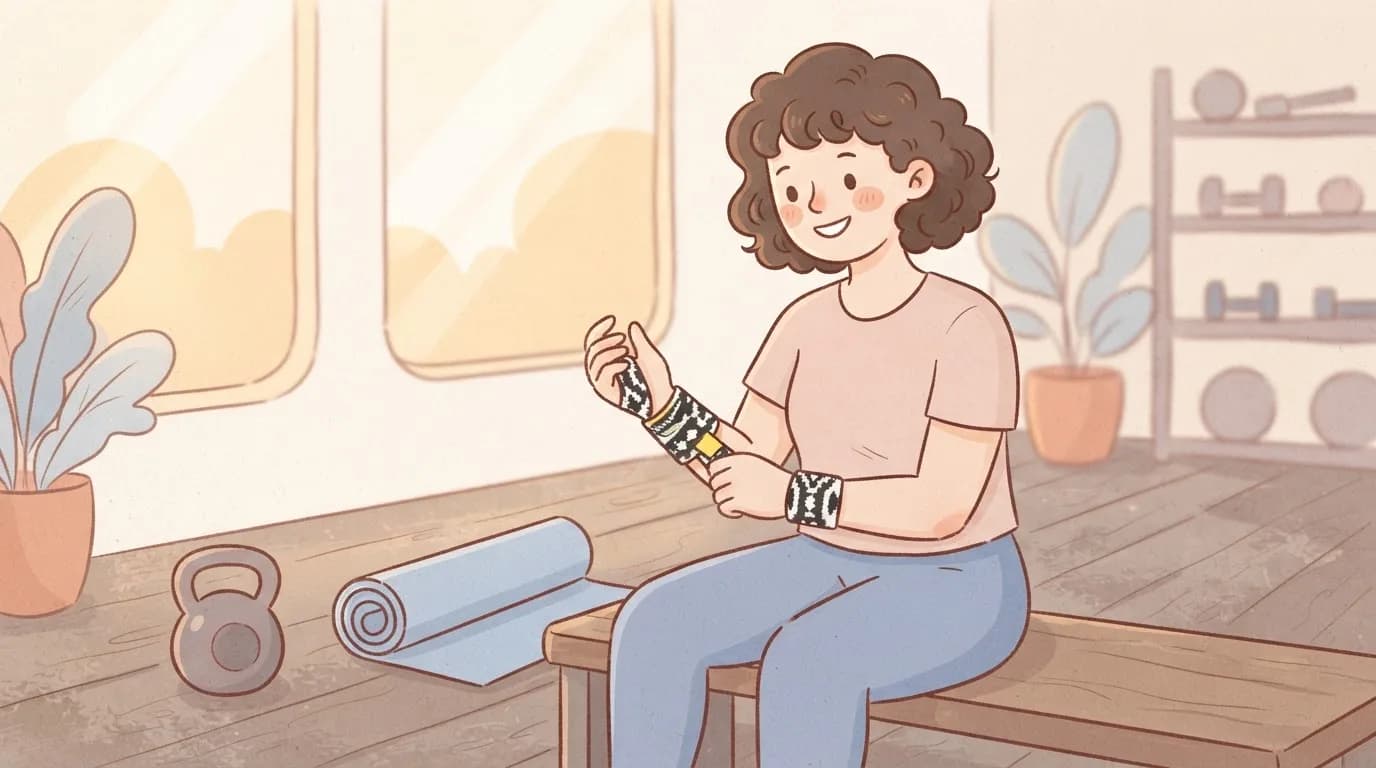
For SneakyDeez and most wraps, sizing comes from your wrist circumference, so measure before you order with my guide to measuring your wrist size. Our S (14.5 to 15.5 cm) and M (16 to 17.5 cm) are kept in stock, XS and L are sewn to your measurement, and if you fall between two sizes the smaller one gives firmer support. For placement and fitting step by step, see how to wear wrist wraps properly.
Masha's tip: Put your wraps on once you've warmed up and your hands are a little warm, then check your fingers after the first few minutes of training. Wrists can swell slightly as you heat up, and something that felt perfect at the start can feel tighter twenty minutes in.
How long should you wear wrist compression?
For training, wear it for the session, or for the parts of the session that load your wrists. Some people like to keep a sleeve on for an hour or two afterwards because it feels comfortable, and that's fine as long as the fit passes the checks above.
I wouldn't sleep in a training wrap or wear one all day, every day, unless a clinician has suggested it for a reason. Your skin needs a break, it's easier to notice changes in how your wrist feels without anything on it, and you want your wrists to keep doing some of their work without help. If you're wondering how much support is too much, my guide on when to use wrist support goes into that.
Who should check with a doctor before using compression?
Compression on the wrist is low risk for most healthy people, but talk to your doctor first if you have circulation problems, reduced feeling in your hands (for example from diabetes), fragile or broken skin on the wrist, or a swollen arm for any reason you haven't had checked. If you've been given a medical compression garment for lymphoedema, follow the advice of whoever fitted it, because those garments are made to a specific pressure for a reason.
And as always, see a doctor or physio for swelling or bruising after a fall, numbness or tingling that doesn't go away, pain at night, a weakening grip, or pain that lasts more than a couple of weeks.
How do you look after compression wraps so they keep working?
Elastic loses its firmness faster with heat, so hot washes and tumble dryers are the quickest way to turn a firm wrap into a floppy one. We recommend hand washing SneakyDeez and letting them air dry, which keeps the elastic firm for longer. Wash them regularly, too, because sweat and chalk build up in the fabric over a few sessions.
If your current wraps have gone soft or never felt firm enough in the first place, have a look at our regular designs, which are restocked so you can come back to the same pair.
More in Wrist supports & wraps
- Types of Wrist Support: Wraps, Sleeves, Braces, Splints and Tape Compared
- Wrist Wraps vs Straps vs Braces: Which One Do You Actually Need?
- How to Measure Your Wrist Size for Wrist Wraps (With Size Chart)
- How to Wash Wrist Wraps So the Elastic Stays Firm
- Upcycled Fabric: How SneakyDeez Wrist Wraps Are Made
- What Is a Wrist Brace, and When Do You Actually Need One?
- The Best Gymnastics Wrist Supports: What Gymnasts, Calisthenics Athletes and Pole Dancers Use
- When Should You Wear Wrist Support? A Simple Decision Guide
Questions people ask
Do wrist compression sleeves actually work?
They work well for what they actually do, which is give a supported feeling, some warmth and more awareness of the wrist's position. Research on compression garments suggests a modest benefit for muscle soreness after hard exercise, but there is little research on the wrist specifically, and they do not treat injuries.
Can I sleep with a wrist compression sleeve on?
It is generally better not to sleep in a training sleeve or wrap unless a clinician has suggested it. If you wake with numb or tingling fingers, that is worth getting checked, and a doctor may recommend a night splint rather than compression.
How do I know if my wrist compression is too tight?
Your fingers will tell you. Tingling, numbness, coldness, or skin that goes pale, blue or blotchy means it is too tight. Deep marks that take a long time to fade after you take it off are another sign.
Does compression help a sprained wrist?
Compression with an elastic bandage is part of standard first aid for minor sprains because it can help limit swelling. A sprain should still be assessed if it is severe, follows a fall, or is not improving after a few days.
Is a compression sleeve better than a wrist wrap?
Neither is better overall. Sleeves give lighter, fixed compression and are comfortable for everyday wear, while wraps are adjustable and usually firmer, which suits training that puts weight through the wrist.
Can I wear a compression sleeve every day?
For a healthy wrist, wearing a well-fitted sleeve for comfort during the day is usually fine, but take it off regularly so your skin can breathe and you can notice how your wrist feels on its own. Keep up some strengthening so you are not relying on it.
Shop the fix
Wraps made for exactly this
Handmade in Slovenia by a pole teacher, with firm compression that sits low on the wrist.
Sources we checked
- Hill et al. (2014), British Journal of Sports Medicine: Compression garments and recovery from exercise-induced muscle damage, a meta-analysis
- Brown et al. (2017), Sports Medicine: Compression garments and recovery from exercise, a meta-analysis
- Cleveland Clinic: Sprained wrist
- NHS MSK Dorset: Hand and wrist pain, early management
Written by
Masha Pinner
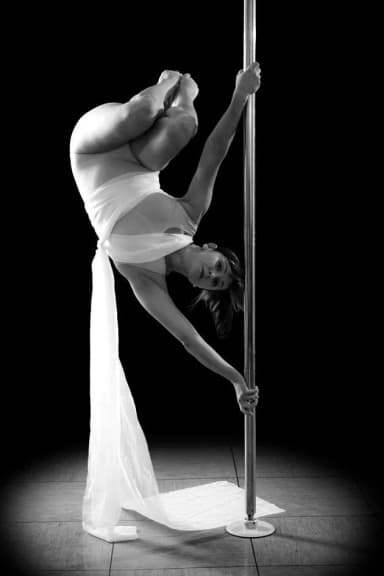
Pole dance teacher at Pandora Art of Pole in Slovenia and former fashion designer. Masha started SneakyDeez in 2017 after years of teaching on sore wrists, and she still designs every pair.
Read Masha’s story