The short version
- A five-minute warm-up of wrist circles, gentle stretches and tabletop rocks prepares your wrists for weight-bearing poses.
- Spread the load through a practice by alternating weight-bearing poses with standing and seated work, and skip some vinyasas when your wrists are tired.
- Decide on your modifications before class starts, such as forearm plank, dolphin or knees-down chaturanga.
- Increase how often and how hard you practise gradually, and treat achy wrists the next morning as a sign to go lighter.
- Sharp pain, pain that lingers, or tingling and numbness in the fingers mean it's time to back off and get checked.
To prevent wrist pain in yoga, warm your wrists up for five minutes before class, build up weight-bearing poses gradually, spread the load through the practice with plenty of non-weight-bearing poses in between, and have your modifications ready before you need them. Back off as soon as an ache turns sharp, lingers into the next day or comes with tingling, because catching it early is much easier than fixing it later.
This article is about the habits around your practice. For the hand position and alignment inside poses like down dog and chaturanga, read how to avoid wrist pain in yoga with better alignment, because the two work best together.
Why do habits matter so much for yoga wrists?
Most yoga wrist pain builds up quietly. A flowing class can put you into plank, chaturanga and downward dog dozens of times, and if you go from one class a week to four, or from gentle hatha to strong vinyasa, your wrists suddenly do several times the work they're used to. Tendons and ligaments adapt to load more slowly than muscles do, so you can feel strong while your wrists are still catching up.
Research on recreational yoga backs this up. A University of Sydney study found that most of the new pain people put down to yoga was in the arms, wrists and hands, which the researchers linked to weight-bearing poses like downward dog (University of Sydney summary). So the answer is to manage how much and how often you load your wrists, and most people can keep practising happily when they do.
What's a good wrist warm-up before yoga?
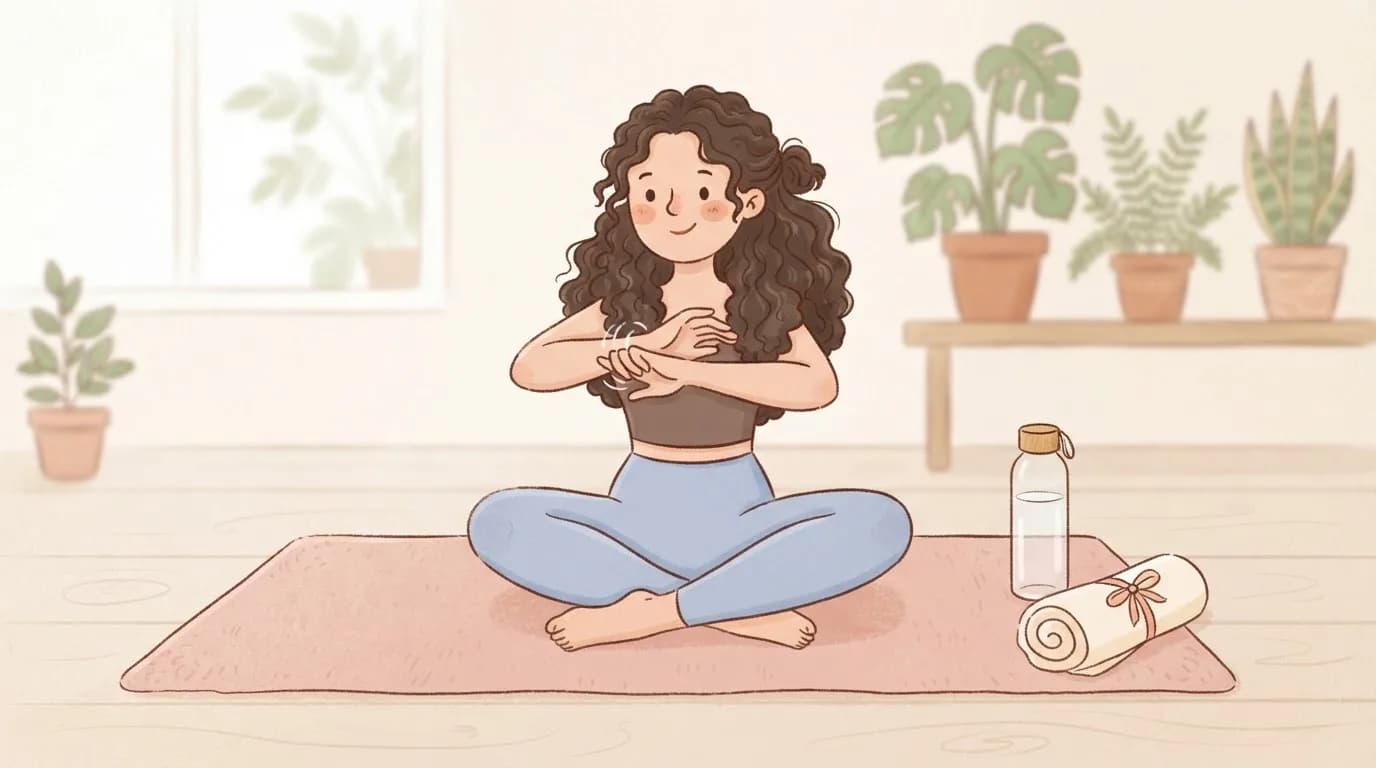
This takes about five minutes and you can do it on your mat while people are still arriving. Everything should feel easy and comfortable, like oiling a hinge rather than stretching a muscle.
- Wrist circles. Make loose fists and circle your wrists slowly, 10 times each way.
- Open and close. Squeeze your hands into fists and then spread your fingers as wide as you can, 10 times.
- Prayer and reverse prayer. Press your palms together in front of your chest and slowly lower them until you feel a mild stretch, hold for 15 seconds. Then turn the backs of your hands together, fingers pointing down, and hold for 15 seconds. Keep it gentle.
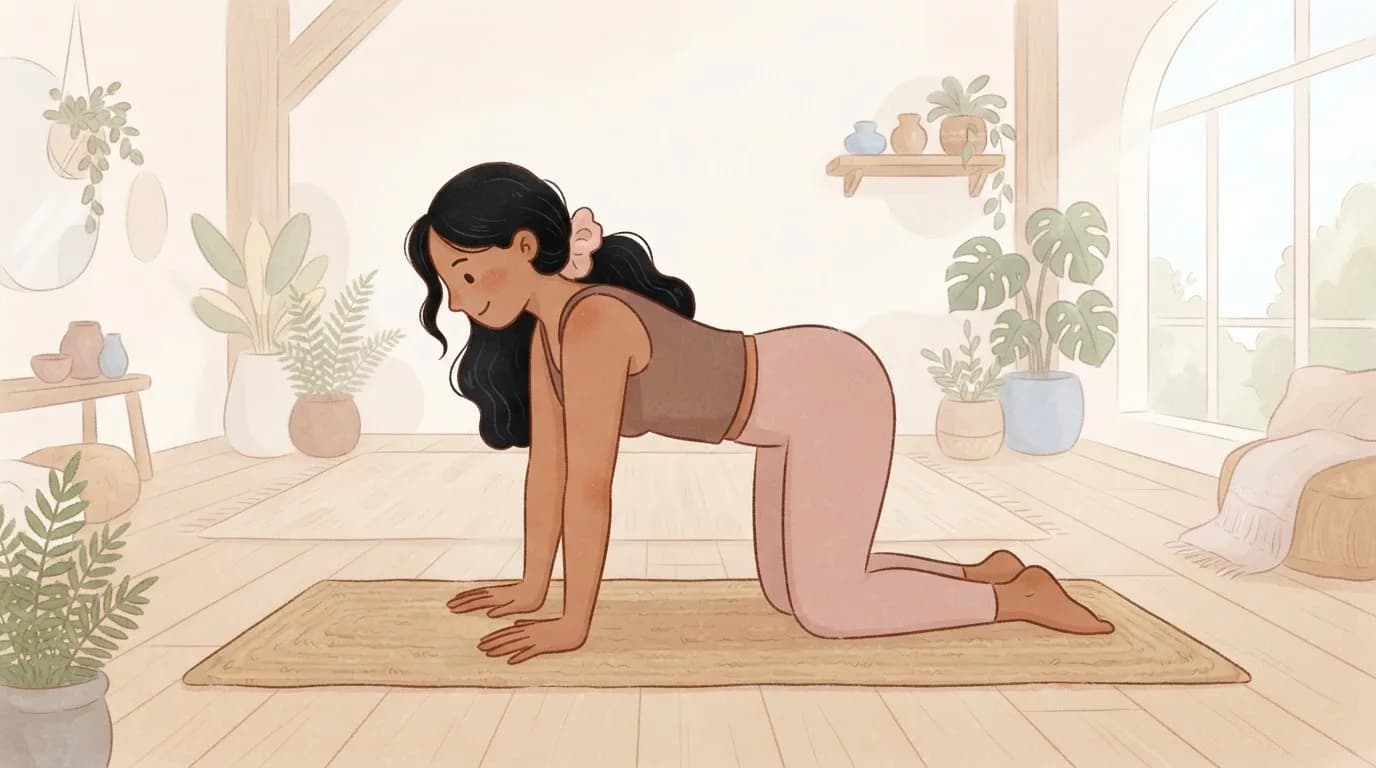
- Tabletop rocks. On hands and knees with your hands under your shoulders, rock slowly forward and back over your hands 10 times, only as far as is comfortable.
- Turned-out hands. Still in tabletop, turn your fingers to point towards your knees, palms flat if you can, and lean back very gently for 5 slow breaths. If that's too much, keep the palms lifted and just rest on the fingers.
- Fingertip lifts. In tabletop, lift the heels of your hands so you press through the fingertips and knuckles, then lower. Do 10 slow lifts.
If your studio is cold, take a little longer, because tissues feel stiffer when you're chilly. Our guide to warming up your wrists and lower back in a cold studio has a few more ideas.
How can you sequence a practice that's kinder to wrists?
If you practise at home or teach, you have a lot of control over how the load is spread out. Even in a led class, you can make quiet choices that add up.
- Alternate the load. Follow a run of weight-bearing poses with standing poses, lunges with hands on hips or seated work, so your wrists get regular breaks.
- Don't do every vinyasa. If the class offers a vinyasa between every side, take every second one, or step back to down dog without the plank and upward dog part.
- Put arm balances where you're fresh. Crow or side plank right after a long string of sun salutations means you start them with tired wrists. At home, practise them earlier in your session.
- Shorten long holds. A long down dog is a long wrist hold. Coming down to child's pose for a few breaths halfway through is completely fine.
Which modifications should you have ready?
The best time to decide on your modifications is before the class starts, so you aren't trying to work it out halfway through a sweaty flow. These are the ones I'd keep in your back pocket.
| Pose | Easier on the wrists |
|---|---|
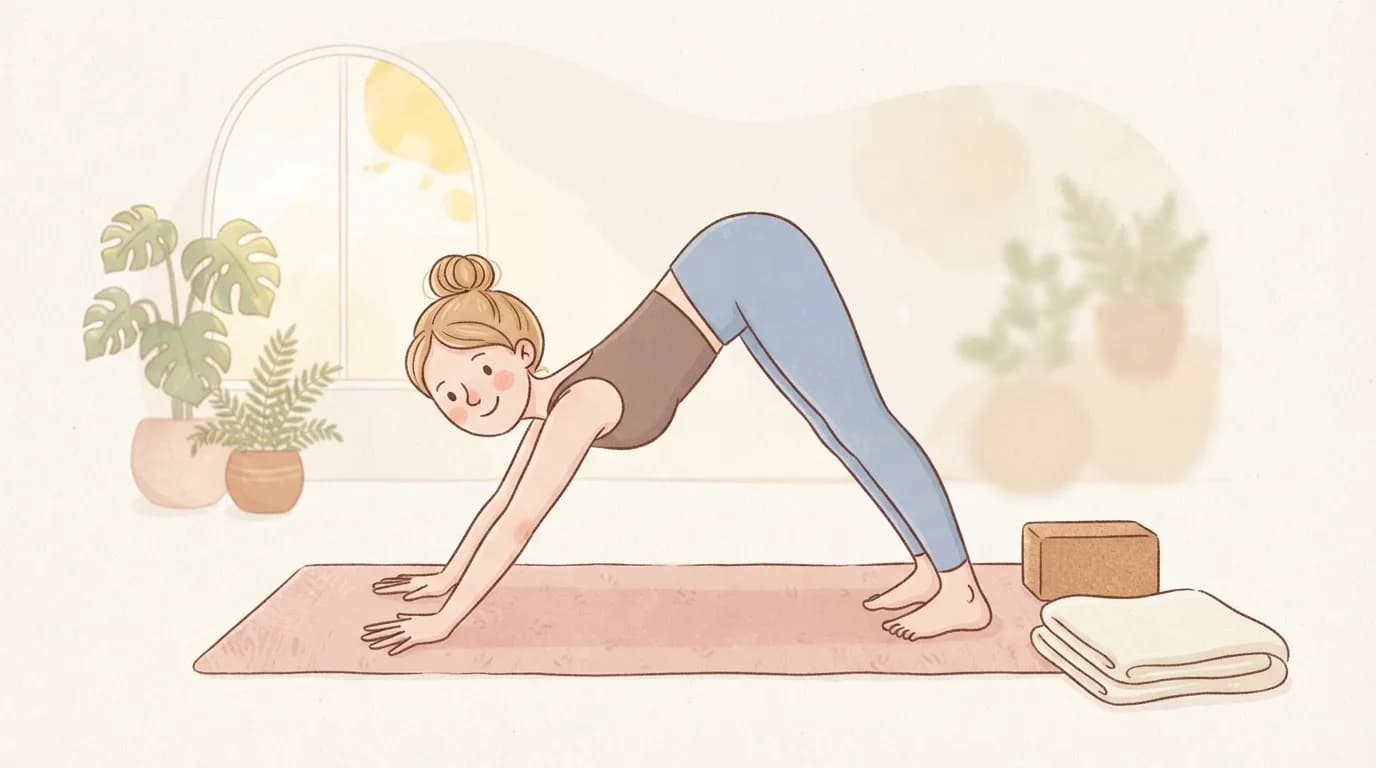
| Downward dog | Dolphin on your forearms, or down dog with the heels of your hands on a wedge or rolled mat |
| Plank | Forearm plank, knees-down plank, or plank on fists |
| Chaturanga | Knees down and elbows over wrists, or skip it and go to child's pose |
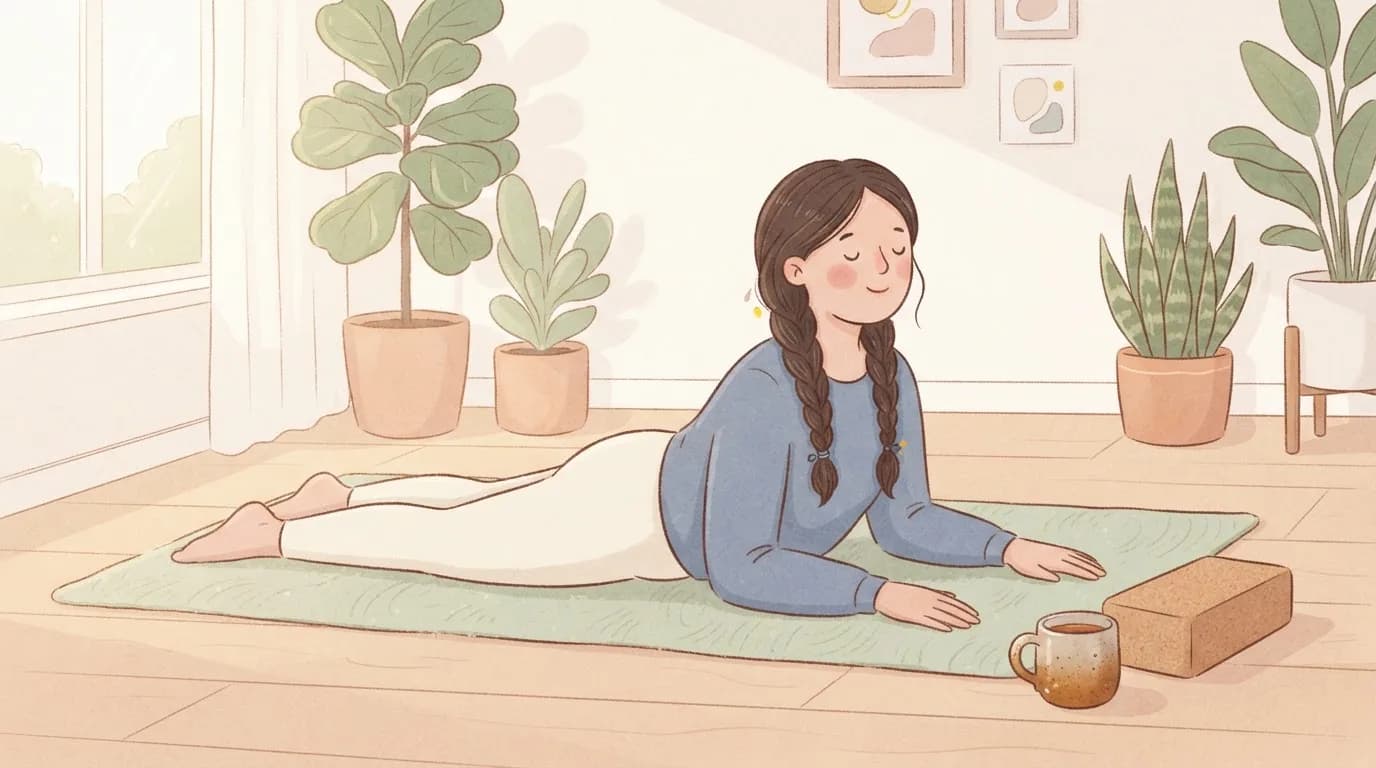
| Upward dog | Baby cobra with the hands barely pressing |
| Tabletop | Fists, forearms on a block, or hands on a wedge |
| Side plank | Bottom knee down, or forearm side plank |
Tell your teacher at the start of class that your wrists are sensitive. Good teachers will happily offer options without making a big deal of it.
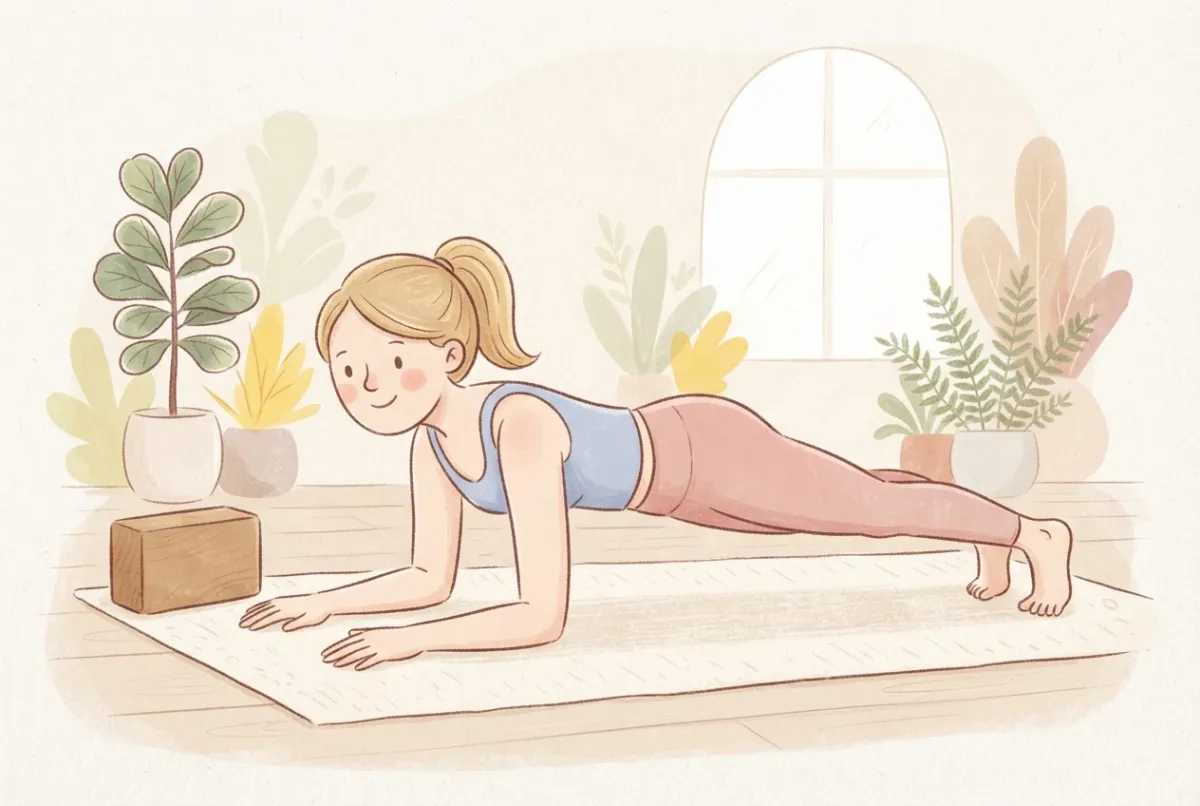
Masha's tip: Pick your modification for the whole class and stick with it, even if you feel fine at the start. Wrists often feel great for the first half hour and only start talking to you near the end, when it's too late to undo the load.
How often can you do yoga without hurting your wrists?
There's no magic number, because it depends on the style, your strength and what else you do with your hands. Climbers, pole dancers, desk workers and people who lift weights are already using their wrists a lot before they get on the mat. A few rules of thumb work for most people.
- Increase gradually. If you want to go from one strong class a week to four, add one class at a time and give yourself a couple of weeks at each step.
- Mix the styles. Balance strong vinyasa days with yin, restorative or standing-focused classes that ask very little of your hands.
- Use the next-morning check. A little tiredness after class is normal. If your wrists are achy or stiff the next morning, that's a sign you did more than they were ready for, so make the next session lighter.
Should you strengthen your wrists outside yoga?
Yes, if you practise a lot. Yoga loads your wrists in extension but rarely trains the forearm muscles through their full range, so a little strength work between classes helps your wrists handle more. Two or three short sessions a week of wrist curls with a light weight, reverse wrist curls, finger extensions against a rubber band and slow fingertip push-up holds on the wall make a good start. Our guides on how to strengthen your wrists has full routines with sets and reps.
When should you back off?
Use this as a simple guide. A mild, dull tiredness that fades within a few minutes of finishing is usually just your wrists working. You should ease off and change something when you notice any of the following.
- Sharp or pinching pain in a particular spot, especially at the top or the pinky side of the wrist.
- Pain that's still there the next day, or that comes on earlier in each class.
- Pins and needles or numbness in your fingers. Tingling that's worse at night or first thing in the morning can be a sign of a nerve being squeezed at the wrist, so it's worth getting checked (Cleveland Clinic: Carpal tunnel syndrome).
- Swelling, clicking with pain, or a wrist that feels weak when you grip.
If your wrist already hurts, our guide to yoga wrist pain remedies walks through the first few days and how to come back to practice, and the guide to types of wrist pain in yoga helps you work out what kind of pain it is. The NHS suggests seeing a GP if wrist pain hasn't improved after two weeks of home care, keeps returning, or you have tingling or numbness (NHS: Wrist pain).
Can wrist wraps be part of the habit?
For a lot of people they are. Putting wraps on at the start of class becomes a little ritual that reminds you to set up your hands properly, and the firm compression and warmth make the wrist feel more supported in long flows. SneakyDeez sit low on the wrist, so your hands are free to spread and grip the mat. They're a support for good habits, so keep the warm-up and the modifications too. If you're choosing between wraps, braces and props, our guide to the best yoga wrist support compares them honestly.
If your whole class has sore wrists, you can each pick your own pair through one shared link and save together.
More in Yoga & handstands
- How to Avoid Wrist Pain in Yoga: Hand Set-Up, Alignment and Props
- Types of Wrist Pain in Yoga: What Your Pain Is Telling You, Plus 6 Tips for Relief
- Wrist Pain from Handstands: Why It Happens and How to Train Around It
- Best Yoga Wrist Support: Wraps, Braces or Props?
- Yoga Wrist Pain Remedies: What to Do When Your Wrist Already Hurts
Questions people ask
Should I stretch my wrists before yoga?
A short, gentle warm-up helps more than deep stretching. Wrist circles, opening and closing the hands, light prayer stretches and rocking over your hands in tabletop get the joints moving without straining them. Keep everything comfortable.
Is vinyasa yoga bad for your wrists?
Vinyasa isn't bad for wrists, but it involves a lot of repeated plank, chaturanga and downward dog, so the load adds up quickly. Skipping some vinyasas, lowering with knees down and mixing in gentler classes keeps it manageable while your wrists get stronger.
How many times a week can I do yoga if I have sensitive wrists?
It depends on the style and on what else you do with your hands. Add classes one at a time, give yourself a couple of weeks at each step, and use how your wrists feel the next morning as your guide.
Is it normal for wrists to feel tired after yoga?
A mild, dull tiredness that fades soon after class is common, especially when you're new or practising more than usual. Pain that is sharp, sits in one spot, lasts into the next day or comes with tingling is worth easing off for and getting checked if it continues.
Do wrist strengthening exercises help with yoga?
They can, because yoga mostly loads the wrist in one bent-back position. Light wrist curls, reverse wrist curls and finger extension work two or three times a week help the forearm muscles share the load.
Shop the fix
Wraps made for exactly this
Handmade in Slovenia by a pole teacher, with firm compression that sits low on the wrist.
Sources we checked
Written by
Masha Pinner
Pole dance teacher at Pandora Art of Pole in Slovenia and former fashion designer. Masha started SneakyDeez in 2017 after years of teaching on sore wrists, and she still designs every pair.
Read Masha’s story