The short version
- Where it hurts, which poses trigger it and what it feels like are the three clues that help you tell types of yoga wrist pain apart.
- Pain on top of the wrist when it bends back usually eases when you reduce the angle with a wedge, fists or forearm poses.
- Pinky-side pain often comes from weight rolling into the outer hand, so pressing through the index finger and thumb is the first change to try.
- Tingling or numbness in the thumb, index and middle fingers points to the median nerve and should be checked if it keeps coming back.
- Any pain after a fall, swelling, night pain or pain lasting more than about two weeks needs a doctor or physio.
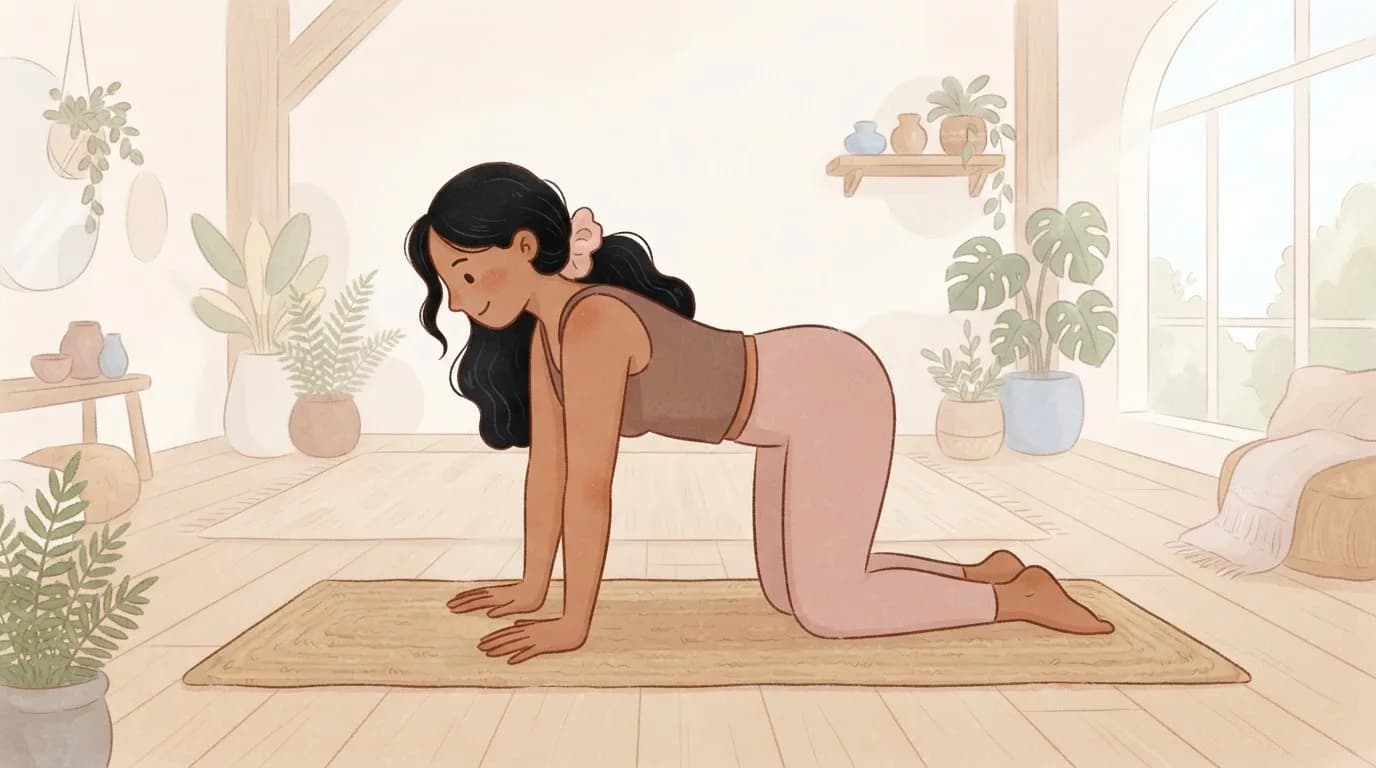
Wrist pain in yoga usually falls into a few types, and the easiest way to tell them apart is where it hurts and when. Pain on top of the wrist when it bends back, pain on the pinky side, pain on the thumb side, and tingling or numbness in the fingers each point to different structures, so each needs a slightly different fix. Below you'll find how to recognise each one, what tends to help, and six tips that ease most of them.
I'm a pole teacher and not a doctor, so treat this as a way to understand your wrists better and to have a clearer conversation with a physio or GP. It can't diagnose you, and anything that's severe, getting worse or not settling deserves a proper look. If you'd rather start with the everyday habits that keep yoga wrists happy, my guide on how to avoid wrist pain in yoga covers hand set-up, alignment and props.
How can you tell which type of wrist pain you have?
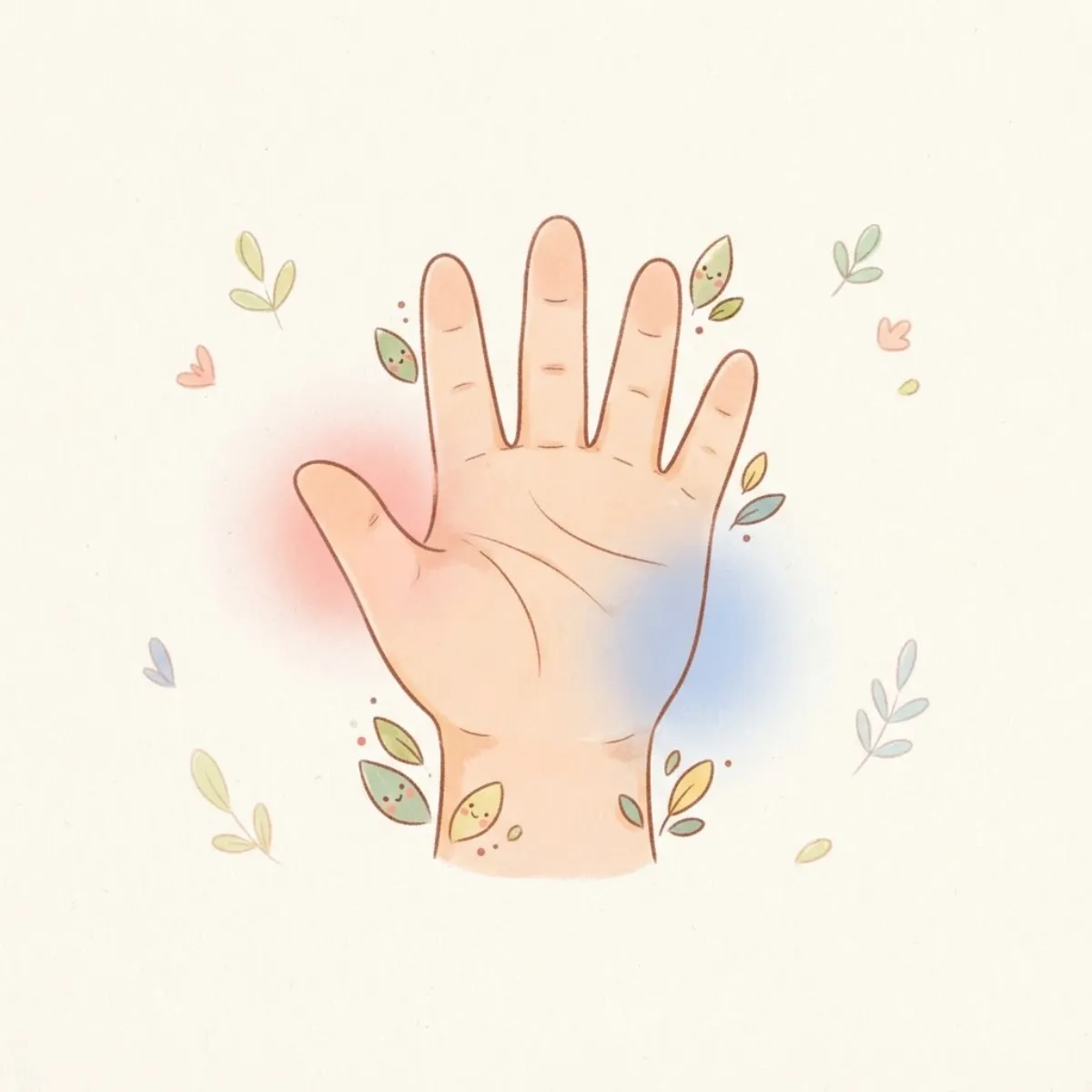
Next time it hurts, ask yourself three questions. Where exactly is the pain when you point to it with one finger? Which poses or movements set it off? And what does it feel like: a pinch, a dull ache, a burning, or pins and needles? Those three answers narrow things down a lot.
| Where it hurts | What it often feels like | Commonly linked to | Poses that tend to trigger it |
|---|---|---|---|
| Top (back) of the wrist | A pinch or jam when the wrist bends back under load | Compression at the back of the wrist, irritated joint lining, sometimes a ganglion cyst | Down dog, upward dog, tabletop, handstands |
| Pinky side | Ache or sharp pain, sometimes a click, worse when leaning onto the outer hand | The cartilage and ligaments on the ulnar side, such as the TFCC | Side plank, plank with weight in the outer hand, twisting binds |
| Thumb side | Pain along the base of the thumb that can travel up the forearm | Irritated thumb tendons, such as de Quervain's | Gripping blocks, bound poses, spreading the thumb hard |
| Palm side with tingling | Pins and needles or numbness in the thumb, index and middle fingers, often worse at night | Pressure on the median nerve, such as carpal tunnel syndrome | Long holds with bent wrists, and sometimes daily life more than yoga |
| General ache across wrist and forearm | Tired, achy, stiff, worse after a big week | Overload of tendons and muscles that haven't adapted yet | Lots of vinyasas or a sudden jump in practice |
If the pain started with a fall onto your hand, or you heard a crack or snap, skip the table and get it checked straight away. The NHS advises urgent help if you think you might have broken a bone, your wrist looks a strange shape or colour, or you can't move it properly (NHS: Wrist pain).
What does pain on top of the wrist in yoga mean?
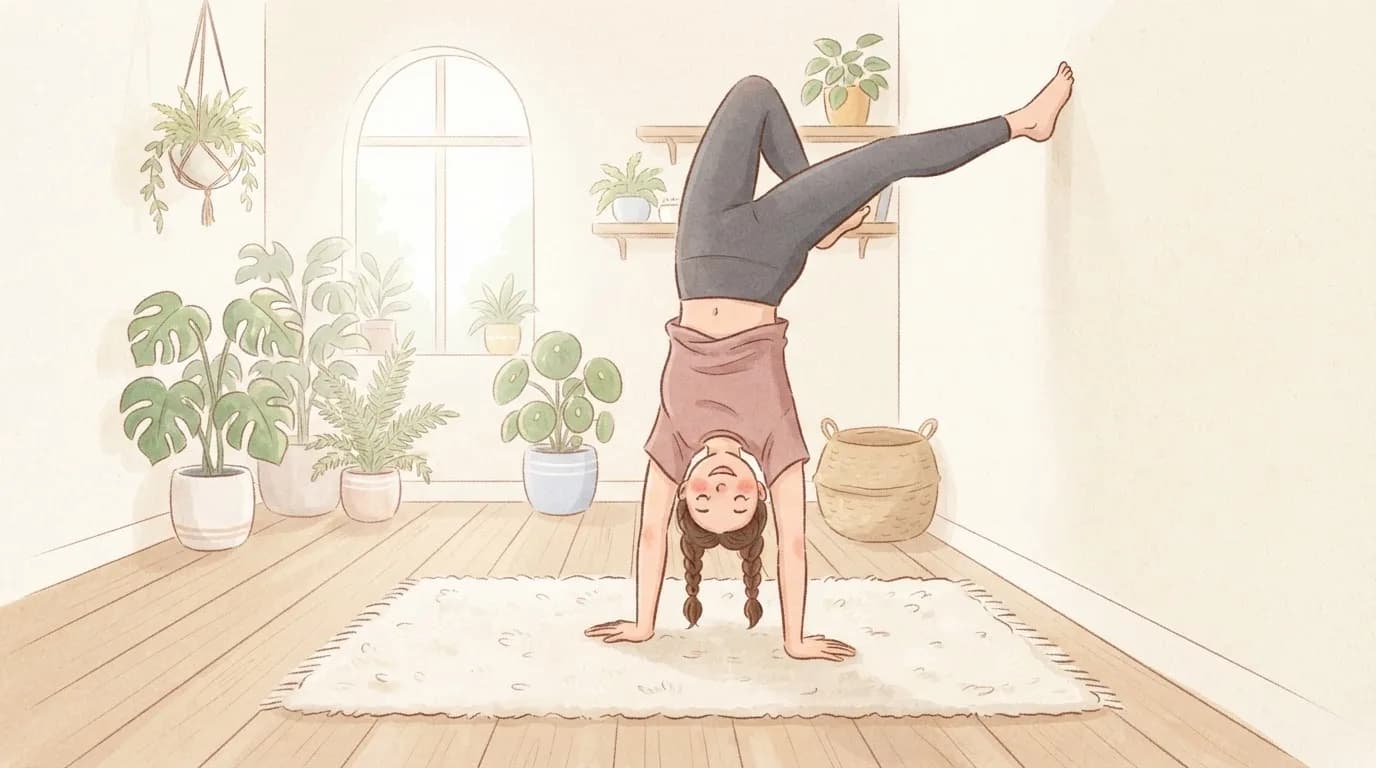
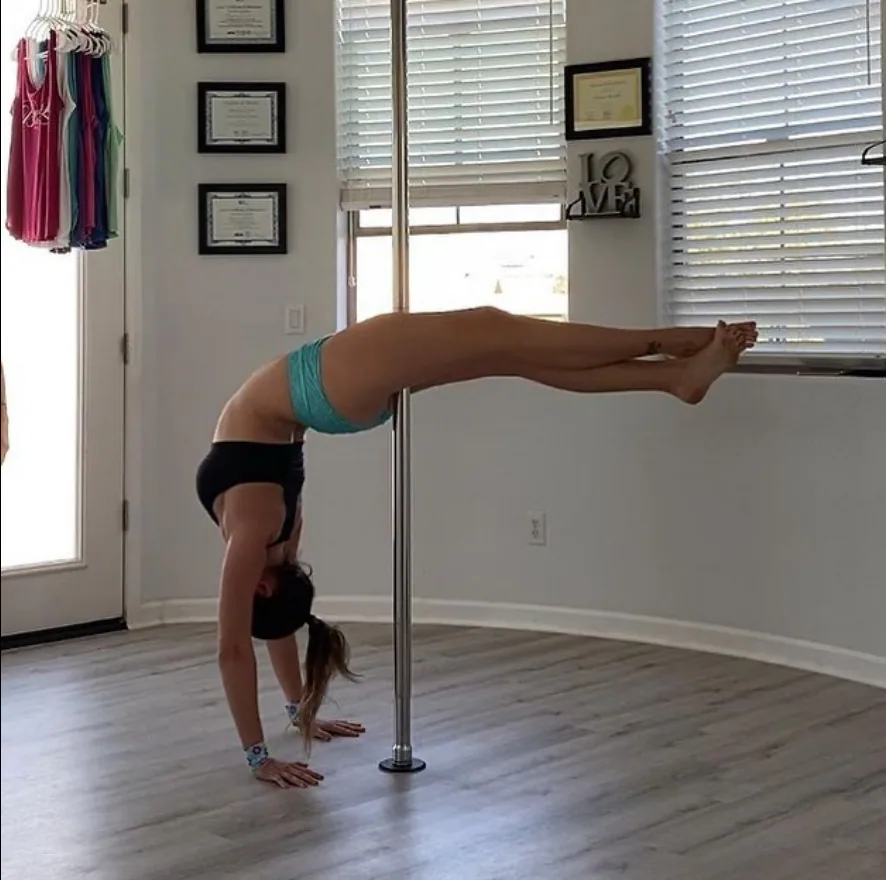
This is the one most yogis recognise, a pinching feeling right on the back of the wrist when it bends back with weight on it. In down dog or tabletop the bones and soft tissue at the back of the wrist get squeezed together, and if you do a lot of that, the area can get irritated. It's common in handstand practice and gymnastics for the same reason, so if you're working on inversions have a look at our handstand wrist pain guide too.
What helps is reducing how far the wrist bends under load. A wedge or a rolled mat under the heels of your hands, fists, or forearm versions of poses all do this. Pressing through the fingertips and knuckles also takes some of the weight off the back of the wrist.
Sometimes a small, firm lump appears on the back of the wrist. That can be a ganglion cyst, a fluid-filled sac that's usually harmless but can ache when the wrist is bent back (OrthoInfo: Ganglion cyst of the wrist and hand). Any new lump is worth showing to a doctor, so don't try to treat it yourself.
Why does the pinky side of my wrist hurt in yoga?
The outer side of your wrist has a small cushion of cartilage and ligaments called the triangular fibrocartilage complex, or TFCC. It helps stabilise the wrist and carries some of the load, and it tends to get grumpy with weight-bearing, twisting and bending the hand towards the little finger (Physiopedia: TFCC injuries).
In yoga, the usual trigger is letting the weight roll into the outer heel of your hand while the index finger side lifts. Side plank, twisting binds and push-ups with the hands turned in are frequent offenders. The fix to try first is pressing deliberately through the index finger and thumb, keeping the hand flat and even, and turning the hands very slightly out if that feels better. If the pain started with a fall, comes with clicking and weakness, or doesn't settle, see a physio, because the ulnar side can be slow to calm down. There's more in our guide to pinky-side wrist pain.
What about pain on the thumb side?
Pain along the thumb side of the wrist, especially when you grip, pinch or turn your wrist, can come from the two tendons that run to the thumb. When they're irritated, it's called de Quervain's tenosynovitis, and it's often linked to repetitive gripping and thumb use (OrthoInfo: De Quervain's tendinosis). New parents get it a lot, which matters because plenty of people return to yoga after having a baby.
On the mat, notice whether you're forcing your thumb out wide or gripping blocks and straps hard. Let the thumb rest naturally, use a flat hand on a wedge instead of gripping a block edge, and avoid binds that pull the thumb back. Our article on thumb-side wrist pain and de Quervain's covers it in depth.
Why do my fingers tingle during yoga?
Tingling or numbness in the thumb, index and middle fingers points to the median nerve, which runs through the carpal tunnel on the palm side of your wrist. Carpal tunnel syndrome typically causes tingling that's worse at night or first thing in the morning, and it may come with a weak grip (Cleveland Clinic: Carpal tunnel syndrome). Long holds with the wrist bent back can bring the tingling on during class.
If your fingers tingle in a pose, come out of it and shake your hands out. Use forearm versions of poses for a while and avoid long holds with your wrists bent. Numbness that keeps coming back or doesn't go away should always be checked by a GP, because nerve symptoms are easier to sort out early.
Is a general ache in the wrists and forearms normal?
A tired, achy feeling across both wrists and forearms after a big week of practice is usually your tissues telling you they've done more than they're used to. It's the most common type and the most forgiving. Ease off for a few days, warm up properly, mix in gentler classes and build back gradually. Our tips to prevent wrist pain in yoga focus on exactly this kind of overload.
6 preventative tips that help most types of yoga wrist pain
- Reduce the angle. A wedge, a rolled mat or a firm block under your hands means the wrist bends back less under load, which helps pain on top of the wrist most of all.
- Share the weight across the whole hand. Spread your fingers, press the base of the index finger and thumb down and keep your fingertips active. This takes pressure off the outer heel of the hand, where pinky-side pain lives.
- Let your thumbs relax. Don't force them out wide or grip props hard, which is kinder to the thumb-side tendons.
- Avoid long holds with bent wrists. Break up long down dogs and tabletop holds with child's pose, and use forearm versions when tingling is an issue.
- Warm up and build up slowly. A five-minute wrist warm-up and a gradual increase in weight-bearing work help every type, especially the general overload ache.
- Give the wrist some support and warmth. A snug elastic wrap adds compression and warmth and helps the wrist feel more stable in longer flows. It won't fix a structural problem, but many people find practice more comfortable with one on.
If you're curious how wraps compare with braces and props, our guide to the best yoga wrist support goes through each option, and our sizes go by wrist circumference.
When should you see a doctor or physio about wrist pain from yoga?
See a GP or physio if your pain hasn't improved after about two weeks of easing off and looking after it at home, if it keeps coming back, if it stops you doing everyday things, or if you have tingling or numbness that doesn't go away (NHS: Wrist pain). Pain at night, a wrist that feels weak or gives way, swelling, and any pain after a fall all deserve a proper assessment. If it already hurts right now, our guide to yoga wrist pain remedies covers the first few days and how to ease back into practice.
More in Yoga & handstands
- How to Avoid Wrist Pain in Yoga: Hand Set-Up, Alignment and Props
- Wrist Pain from Handstands: Why It Happens and How to Train Around It
- Best Yoga Wrist Support: Wraps, Braces or Props?
- Yoga Wrist Pain Remedies: What to Do When Your Wrist Already Hurts
- Tips to Prevent Wrist Pain in Yoga: Warm-Up, Sequencing and When to Back Off
Questions people ask
Why does the top of my wrist hurt in downward dog?
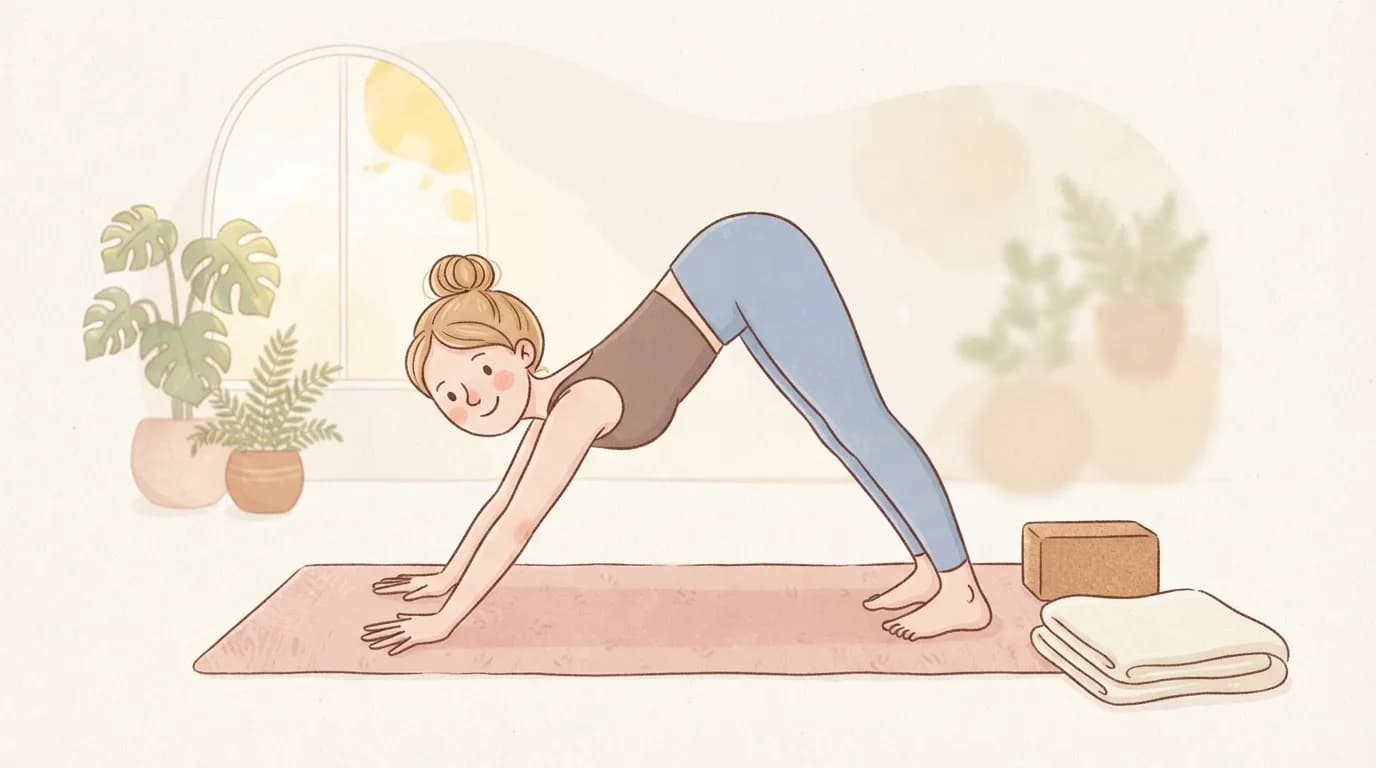
In down dog the wrist bends back with weight on it, which squeezes the structures at the back of the wrist. Bending your knees to shift weight back, pressing through your fingertips and using a wedge to reduce the angle often help. If it doesn't settle, a physio can check for things like irritation at the back of the joint or a ganglion cyst.
What causes pinky side wrist pain in yoga?
It's often linked to the cartilage and ligaments on the outer side of the wrist, which dislike weight-bearing combined with twisting or tipping the hand towards the little finger. Rolling your weight into the outer heel of the hand is a common trigger. Press more through the index finger side, and see a physio if it clicks, feels weak or doesn't improve.
Is it carpal tunnel if my hands go numb in yoga?
Numbness or tingling in the thumb, index and middle fingers can be a sign of pressure on the median nerve, which is what happens in carpal tunnel syndrome, but other things can cause it too. Come out of the pose, avoid long holds with bent wrists, and see a GP if it keeps happening or the numbness doesn't fully go away.
Can yoga cause de Quervain's?
De Quervain's is usually linked to repetitive gripping and thumb movements, and yoga can irritate it if you grip props hard or force your thumb out wide. Many people notice it more from daily activities, like lifting a baby, and then feel it on the mat. Relax your thumbs, avoid gripping, and get it assessed if it persists.
How do I know if my wrist pain is serious?
Get urgent help after a fall if your wrist is very painful, looks misshapen, or you can't move it or grip. See a GP if pain lasts more than about two weeks, keeps coming back, wakes you at night, or comes with numbness, swelling or weakness.
Shop the fix
Wraps made for exactly this
Handmade in Slovenia by a pole teacher, with firm compression that sits low on the wrist.
Sources we checked
Written by
Masha Pinner
Pole dance teacher at Pandora Art of Pole in Slovenia and former fashion designer. Masha started SneakyDeez in 2017 after years of teaching on sore wrists, and she still designs every pair.
Read Masha’s story