The short version
- The most common cause of bench press wrist pain is the bar sitting in the fingers, which levers the wrist back under load.
- Set the bar low in the heel of your palm with knuckles pointing up and forearms vertical at the bottom of the rep.
- Avoid a thumbless grip, because it lets the bar roll and can let it slip out of your hands.
- Neutral-grip dumbbells, a Swiss bar or push-ups on handles keep you pressing while your wrists settle.
- Tingling, numbness, swelling after a drop or fall, or pain lasting more than two weeks should be checked by a professional.
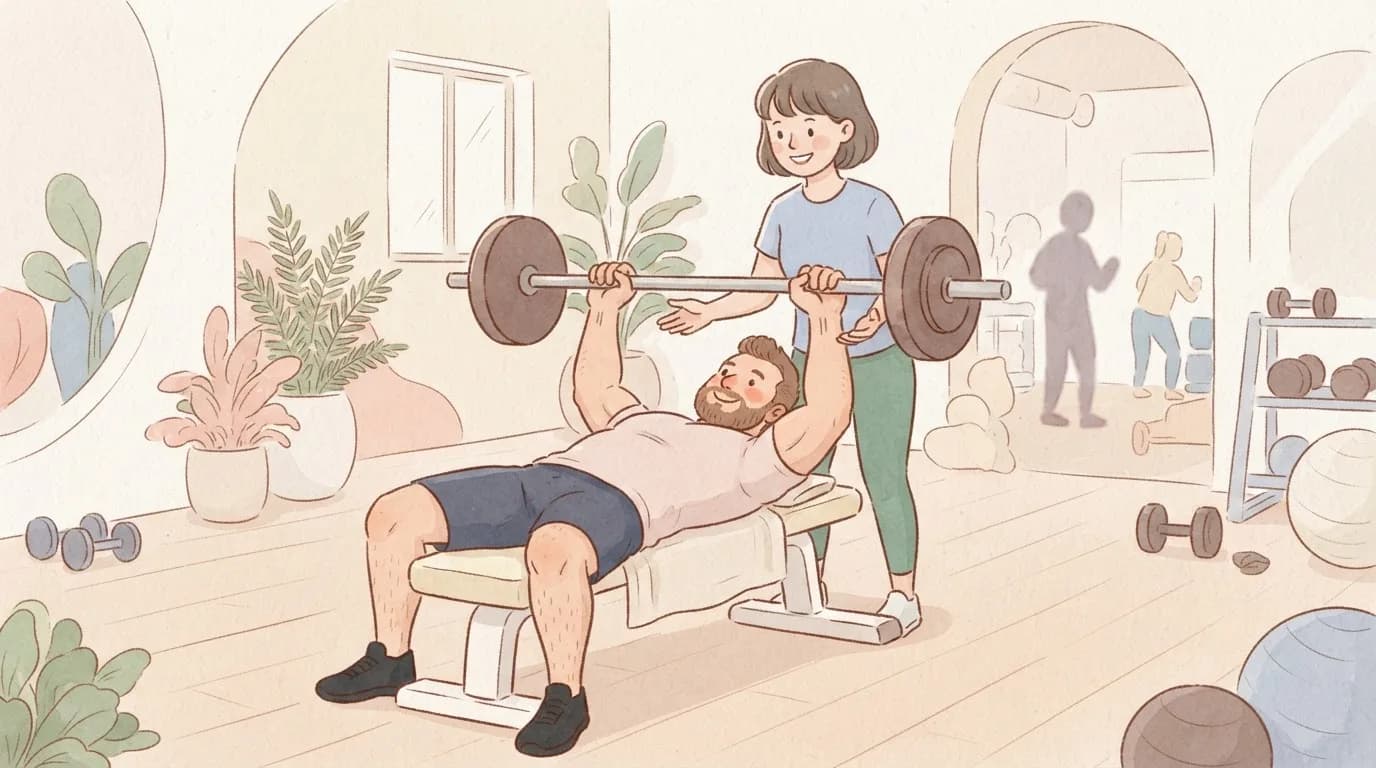
Wrist pain on the bench press usually comes from the bar sitting too high in your fingers, which levers your wrist backwards under load on every rep. Moving the bar down onto the heel of your palm, so it sits directly over your forearm bones, fixes it for a lot of people. Grip width, a thumbless grip, adding weight too quickly and weak forearms are the other usual suspects, and all of them are fixable.
Below I'll go through the causes, how to tell what kind of pain you've got, a step-by-step grip set-up, kinder pressing variations and the accessory work that helps your wrists cope with heavier benching.
Why does my wrist hurt when I bench press?
The bar sits too high in your hand
This is the big one. When the bar rests near your fingers, it sits behind your wrist and acts like a lever, folding your hand back as it gets heavier. The joint then takes the load at the end of its range instead of passing it straight down your forearm. You'll often see it as knuckles pointing back towards your face at the bottom of the rep.
Your forearms aren't vertical
If your grip is much wider or narrower than your elbows at the bottom of the rep, your forearms tilt and the wrist ends up bent or twisted to compensate. Looking from the side and from the front, your forearm should be roughly straight up and down under the bar when it touches your chest.
You're using a thumbless grip
Without your thumb wrapped round, the bar is free to roll towards your fingers and the wrist has nothing locking it in place. It's also genuinely dangerous with heavy weights, because the bar can slip out of your hands.
The weight or volume went up too fast
Wrists adapt more slowly than muscles. A new programme, a big jump in weight, or extra pressing days on top of push-ups and dips can be enough to make the wrist complain, even when your technique hasn't changed.
Something else is going on
Sometimes benching simply shows up a wrist that's already irritated, for example from tendon overuse, an old sprain, or a nerve problem like carpal tunnel syndrome. That's why it's worth paying attention to where it hurts.
Where does it hurt? A rough guide
This isn't a diagnosis, and only a doctor or physio can tell you what's actually going on, but the location of the pain gives some useful clues about what to try first.
| Where you feel it | What it often goes with | What to try first |
|---|---|---|
| Back of the wrist, a pinchy feeling at the bottom of the rep | The wrist being bent back too far under load | Bar lower in the palm, a stacked wrist, wraps on heavy sets |
| Thumb side, worse when you grip | Irritated tendons on the thumb side, sometimes called de Quervain's | Ease off gripping-heavy work and read my guide to thumb-side wrist pain |
| Little finger side, worse when the hand tips towards the pinky | Ulnar-sided wrist pain, which has a few possible causes | Check your hand isn't rolling outwards on the bar, and see pinky-side wrist pain |
| Tingling or numbness in the fingers | Nerve irritation, such as carpal tunnel syndrome | Get it checked by a GP or physio rather than training through it |
| A general ache after sessions that builds over weeks | Overuse, such as wrist tendonitis | Reduce pressing volume for a while and build up again gradually |
The Cleveland Clinic page on ulnar wrist pain and their broader wrist pain overview are good plain-English reading if you want to understand the possibilities.
How should you grip the bar to protect your wrists?
Run through this every time you set up, until it becomes automatic.
- Set your grip width. Choose a width where your forearms will be vertical with the bar on your chest. For most people that's a bit wider than shoulder width, and a training partner can check it from the front.
- Place the bar in the heel of your palm. Before you close your hand, put the bar low on the palm, close to where the palm meets the wrist, and slightly towards the thumb side.
- Turn your hands in slightly. Rotating your hands inwards a little as you grip, so your knuckles angle slightly towards each other, helps the bar sink into the heel of the hand.
- Wrap your thumbs round and squeeze. A firm, full grip braces the forearm muscles around the wrist.
- Check your knuckles. They should point roughly up at the ceiling. If they're pointing back towards your face, the bar has crept up into your fingers.
- Keep it there for the whole set. Pause briefly at the top of each rep and recheck if you feel the bar sliding.
Masha's tip: Practise the grip with an empty bar for a couple of sets every session for a week. It feels awkward at first, but a new grip has to feel normal at light weights before it'll hold up under a heavy one.
Which bench press variations are kinder to sore wrists?
While your wrists settle, you can keep training your chest and triceps with options that ask less of the joint.
- Neutral-grip dumbbell press. Palms facing each other is a position many people find more comfortable, and each wrist can find its own angle.
- Swiss or football bar. If your gym has one, the neutral handles take a lot of twist out of the wrist.
- Push-ups on handles or dumbbells. Keeping the wrist straight takes away the deep bend of a flat-palm push-up. My guide to wrist pain from push-ups has more options.
- Machine chest press. Handles are often neutral, and you can control the load very precisely.
- Lighter barbell work. Dropping the weight for a couple of weeks and doing more reps with perfect wrist position is often enough.
Do wrist wraps help with bench press wrist pain?
They can. A firm wrap compresses the joint and resists the hand folding back, so many people find heavy sets feel more stable and less achy with one on. It works best on top of a good grip, though, because a wrap can't stop a bar that's sitting in your fingers from levering your wrist back. Wrap for your heaviest sets, loosen between sets, and keep your warm-ups bare so you're still practising good position. There's a full lift-by-lift guide in wrist wraps for lifting weights.
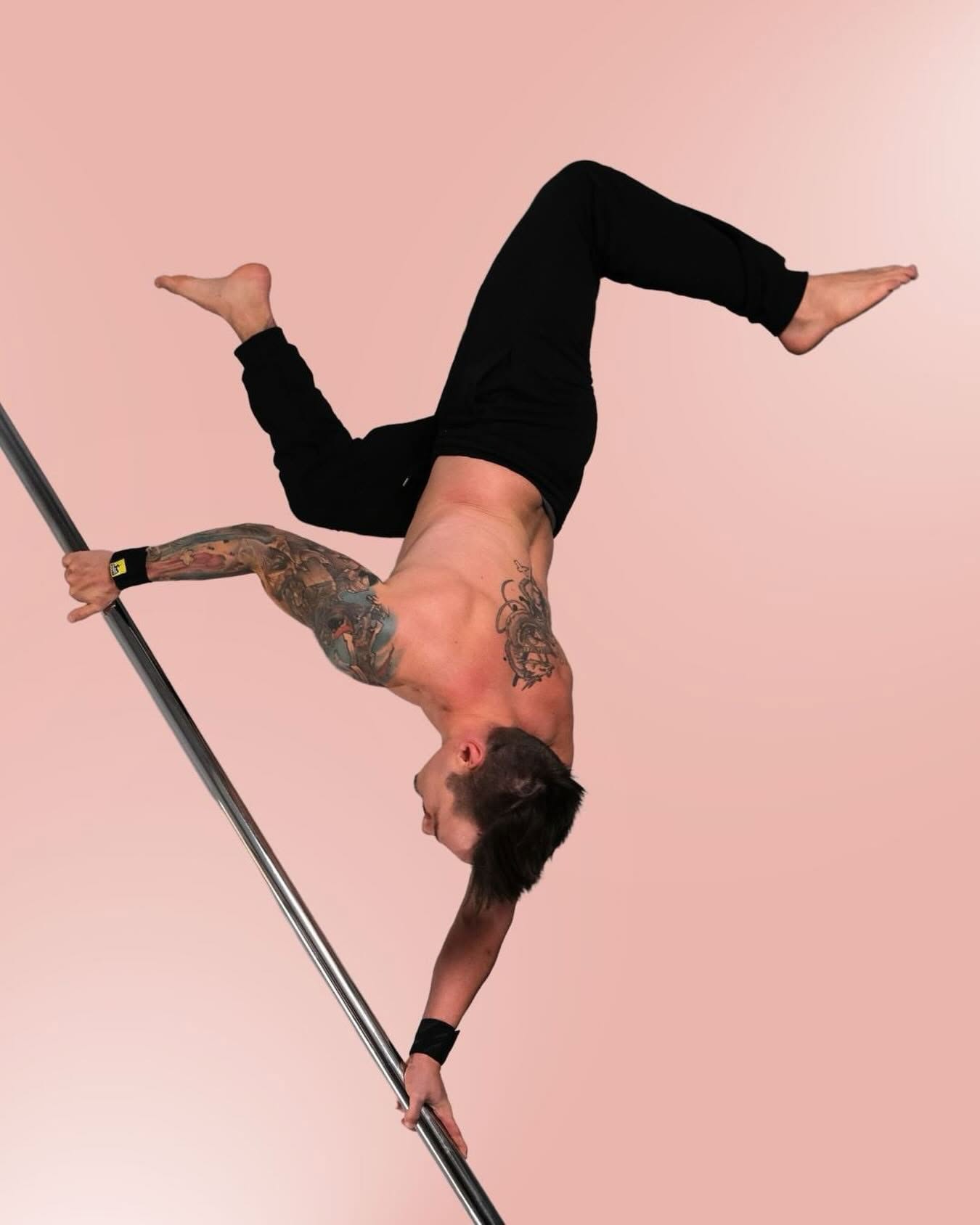
Our wraps are elastic with firm compression over the joint, and they sit low on the wrist so your grip on the bar isn't affected. The 8 cm width covers more of the joint and suits pressing well.
What accessory work helps your wrists cope with benching?
Stronger forearms help you hold the wrist stacked under a heavy bar. Add these twice a week at the end of a session, using light weights at first. Each should feel like hard work in the forearm muscles, never sharp pain in the joint.
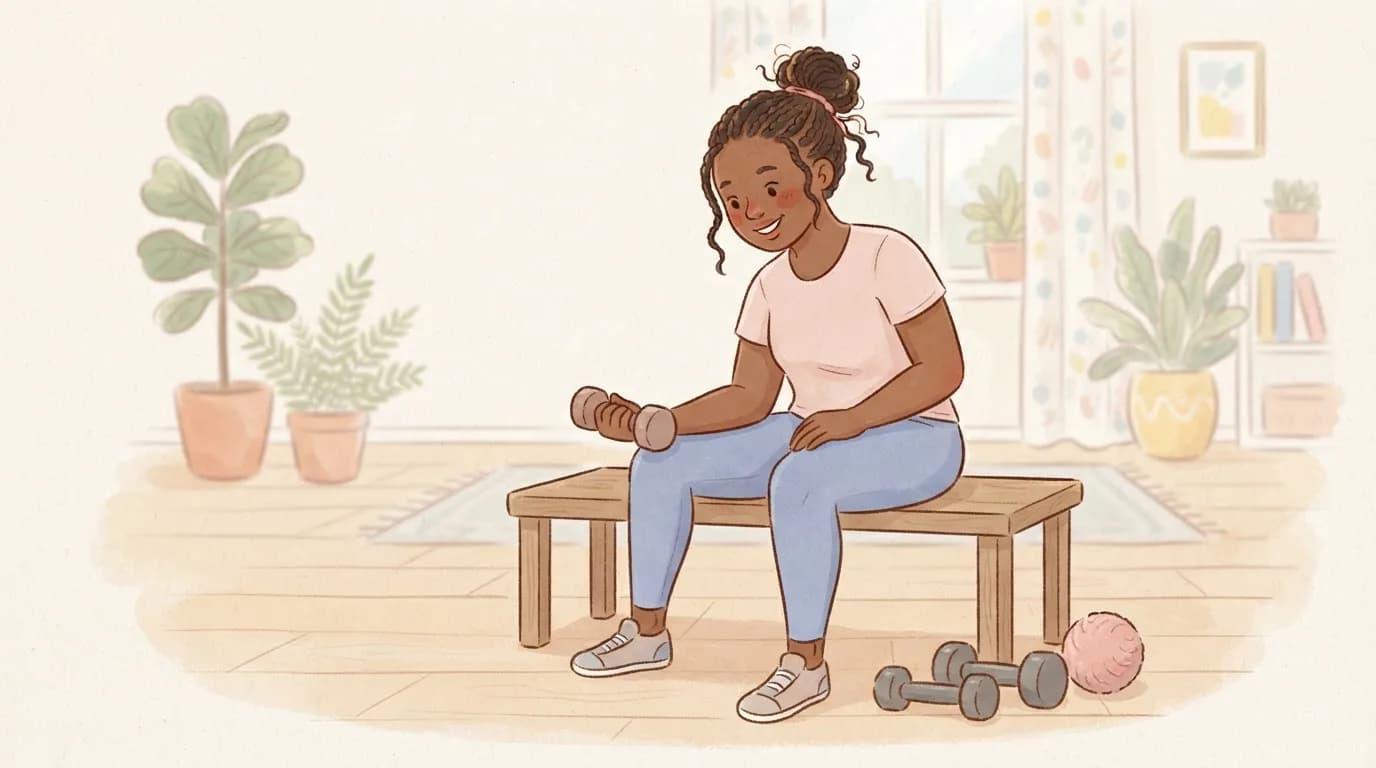
- Wrist curls: 2 to 3 sets of 12 to 15 with a light dumbbell, forearm resting on your thigh or a bench, palm up. Lower slowly over three seconds.
- Reverse wrist curls: 2 to 3 sets of 12 to 15, the same set-up with the palm facing down. Use less weight than for wrist curls.
- Hammer rotations: 2 sets of 10 each way, holding a light dumbbell by one end or a hammer, slowly turning the palm up and down.
- Farmer's carries: 3 walks of 20 to 30 metres with heavy dumbbells or kettlebells, keeping the wrists straight and grip tight.
- Push-up plus holds on fists or handles: 3 holds of 20 to 30 seconds at the top of a push-up, wrists straight, to build tolerance for supporting load.
For a fuller programme, have a look at my 8-week plan to strengthen your wrists.
When should you rest or see someone about bench press wrist pain?
If the pain is mild and eases when you change your grip, you can usually keep training with the changes above. Take a few days off pressing if it's getting worse from session to session. The NHS suggests seeing a GP if wrist pain hasn't improved after two weeks of looking after it at home, keeps coming back, or comes with tingling or numbness. Get urgent help if you dropped the bar or fell and now have swelling, bruising or a wrist that looks out of shape, or if you heard a crack. Night pain and a grip that's getting weaker are also worth getting checked by a doctor or physiotherapist.
More in Strength training
- How to Strengthen Your Wrists: A Progressive 8-Week Plan
- Wrist Pain From Push-Ups: Why It Happens and How to Build Tolerance
- Wrist Support at the Gym: When to Wear It, How Tight and How Long
- Wrist Wraps for Lifting Weights: Presses, Front Rack and Overhead
- Best Wrist Support for the Gym: Wraps, Straps, Sleeves or Braces?
- 7 Push-Up Mistakes That Hurt Your Wrists and How to Fix Each One
- Exercises to Prevent Wrist Injuries: A 7-Minute Warm-Up and Prehab Routine
Questions people ask
Is it normal for your wrists to hurt when benching?
It's common, but it's a sign something needs adjusting, usually the bar sitting too high in your hand. Mild discomfort that disappears when you fix your grip isn't usually a worry, while sharp or lasting pain needs a closer look.
Should my wrists be straight or bent when bench pressing?
Close to straight, with the bar stacked over your forearm. A tiny amount of extension is normal, but if your knuckles point back towards your face, your wrist is bent too far.
Does a wider grip hurt your wrists on bench?
It can, if it's so wide that your forearms tilt outwards at the bottom of the rep. Choose a grip where your forearms are roughly vertical when the bar touches your chest.
Can I keep benching with wrist pain?
If it's mild and eases with a better grip, lighter weights or wraps, you can usually keep training carefully. If it's getting worse, sharp, or comes with tingling or swelling, stop pressing and get it checked.
Is dumbbell bench press easier on the wrists?
Many people find it is, especially with a neutral grip where the palms face each other. Each wrist can settle into its own comfortable angle instead of being fixed to a straight bar.
Shop the fix
Wraps made for exactly this
Handmade in Slovenia by a pole teacher, with firm compression that sits low on the wrist.
Sources we checked
Written by
Masha Pinner
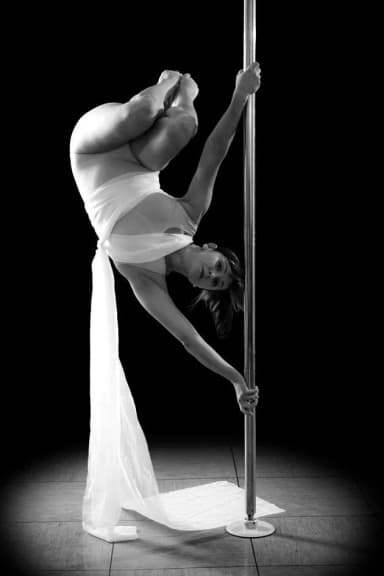
Pole dance teacher at Pandora Art of Pole in Slovenia and former fashion designer. Masha started SneakyDeez in 2017 after years of teaching on sore wrists, and she still designs every pair.
Read Masha’s story