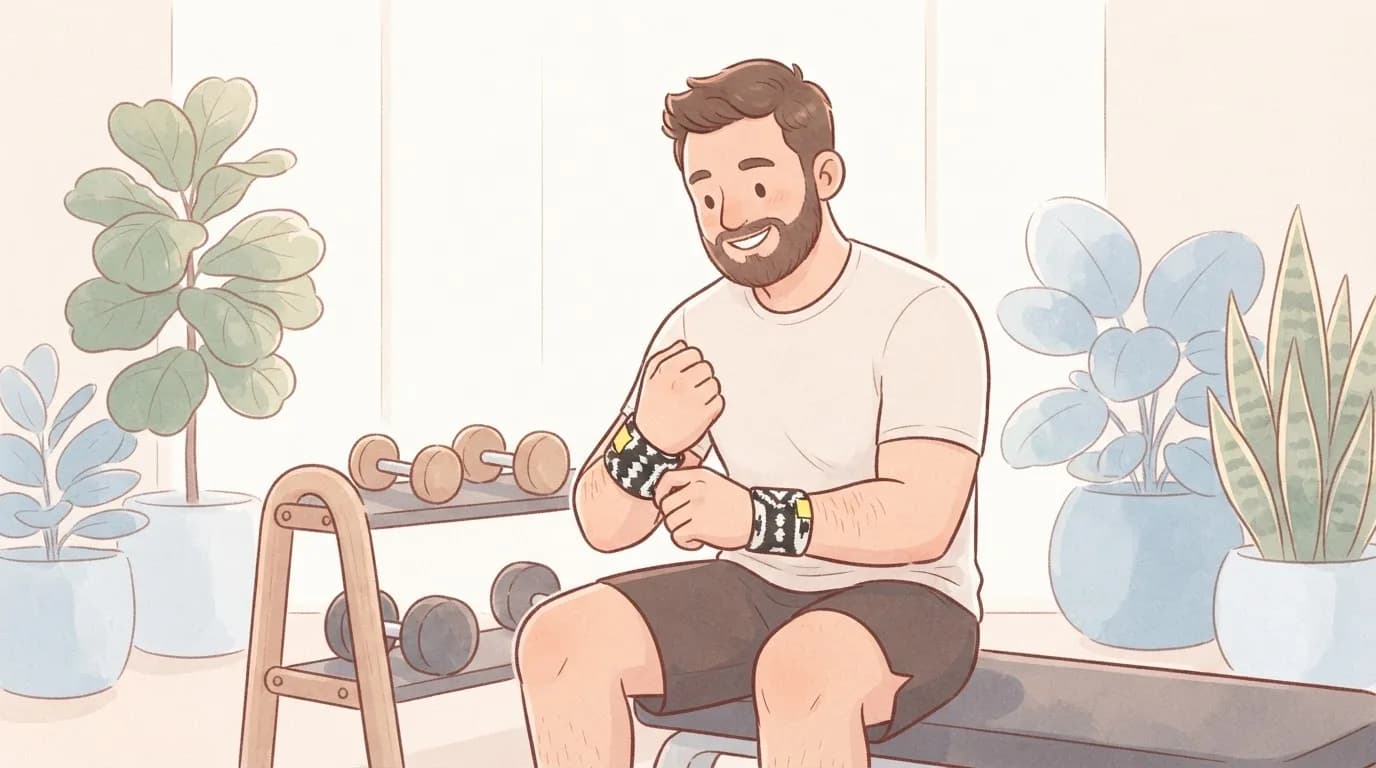
The short version
- Wear wrist support for sets where load bends your wrist back, such as heavy presses, dips, push-ups and handstands.
- Warm-ups, pulling exercises and leg work rarely need wrist support.
- Wrap snugly for each working set, loosen between sets, and check that your fingers keep their colour and feel normal.
- Support should cover the wrist joint itself, not sit high on the forearm or slip onto the palm.
- To rely on support less, go bare on warm-up sets first and add regular wrist strength work.
Wear wrist support for the sets that load your wrists most, like heavy presses, front-rack work and big blocks of push-ups or handstands, and leave it off for warm-ups, pulling and leg work. Put it on snug just before a working set, loosen it while you rest, and take it off when you've finished the lifts that need it. Used like that, support helps without your wrists getting lazy or your hands going numb.
This guide is about the habits: which parts of a session need support, how tight, how long, and how to use less of it over time. If you're still deciding what to buy, start with my guide to the best gym wrist support and come back here.
Which parts of a gym session actually need wrist support?
Think about where your wrist is when the load is heaviest. If the weight is trying to bend your hand back, support is useful. If your wrist is just hanging straight, it usually isn't.
| Part of the session | Wear support? | Why |
|---|---|---|
| General warm-up and mobility | No | You want the wrist to move through its full range and warm up properly. |
| Warm-up sets of a lift | Usually no | Light sets are a good chance to practise a stacked wrist without help. |
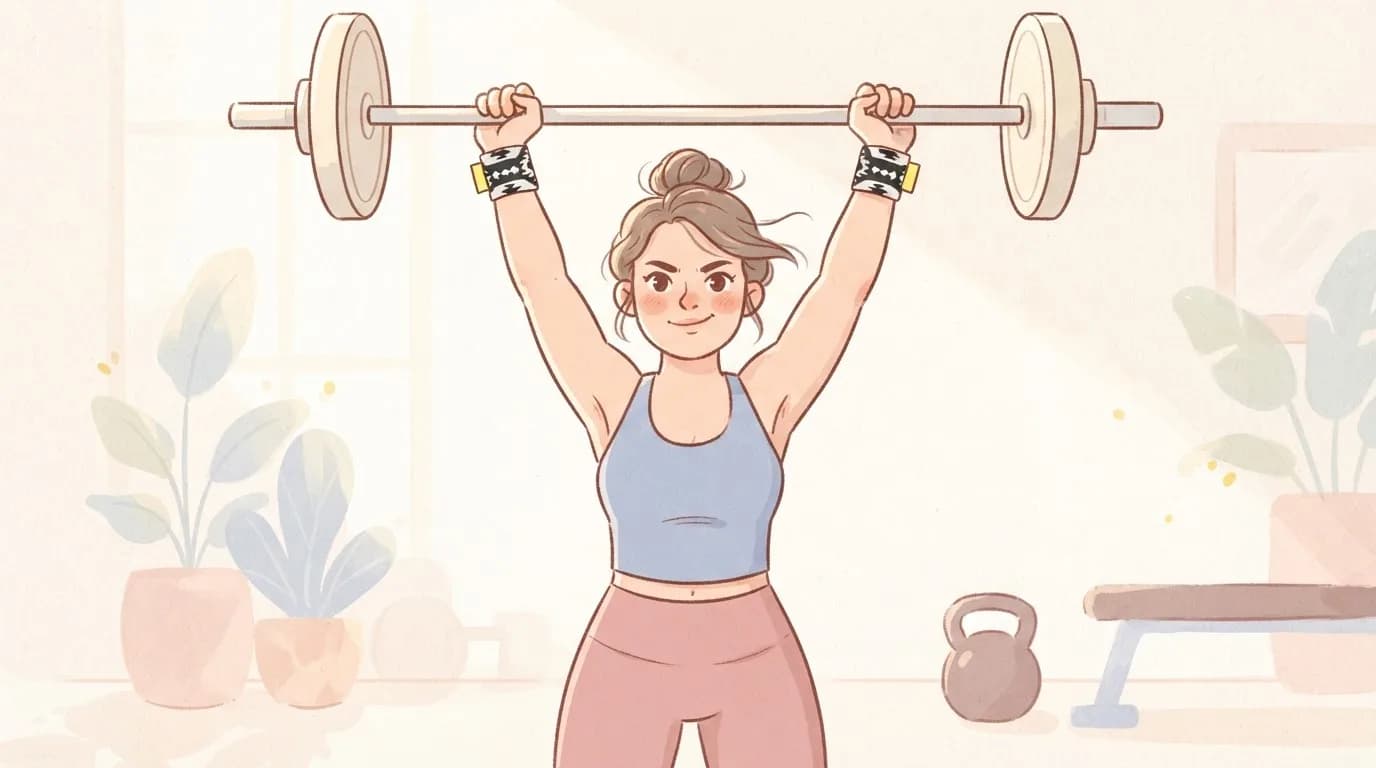
| Heavy bench, overhead press, dips | Yes, if you like it | The bar or your bodyweight pushes the wrist into extension. |
| Front squats and cleans | Optional, worn a bit looser | The front rack needs wrist mobility, so a very tight wrap can fight you. |
| Push-ups, planks, handstands, burpees | Often yes | Flat-hand work bends the wrist further back than most barbell lifts. |
| Deadlifts, rows, pull-ups | No wrap needed | The wrist is pulled straight. If grip is the problem, lifting straps help instead. |
| Leg machines, cardio, core work on your back | No | Your wrists aren't loaded, so let them breathe. |
How tight should wrist support be?
Tight enough that you feel it resist when your hand tips back, and loose enough that your hand still feels normal. A simple way to check is to make a fist and open your hand a few times once it's on. You should be able to do that easily, your fingertips should keep their normal colour, and there should be no tingling or pins and needles. If any of those change, loosen it a notch.
For a heavy top set you can go a little firmer, and for a long class or a circuit go a little softer, because you'll be wearing it for longer without breaks. Tightness is a dial you adjust for the job, so there's no single right setting.
How long can you keep wrist support on?
For firm wraps, the rule I'd follow is to wrap for the set rather than for the session. Do it up before your working set, then open the closure as soon as you rack the bar. Most lifters find this keeps support high when it matters while giving the hand a break between sets, and it's the same advice you'll find from strength coaches like Barbell Medicine, who point out that wraps are designed to come off and go back on quickly.
A softer elastic wrap worn with moderate tension can stay on longer, for example through a 45-minute class, as long as your hands feel fine. If you notice your fingers going cold, pale or tingly, or the skin under the wrap is very red and marked when you take it off, it's been on too tight or too long.
Where on your wrist should the support sit?
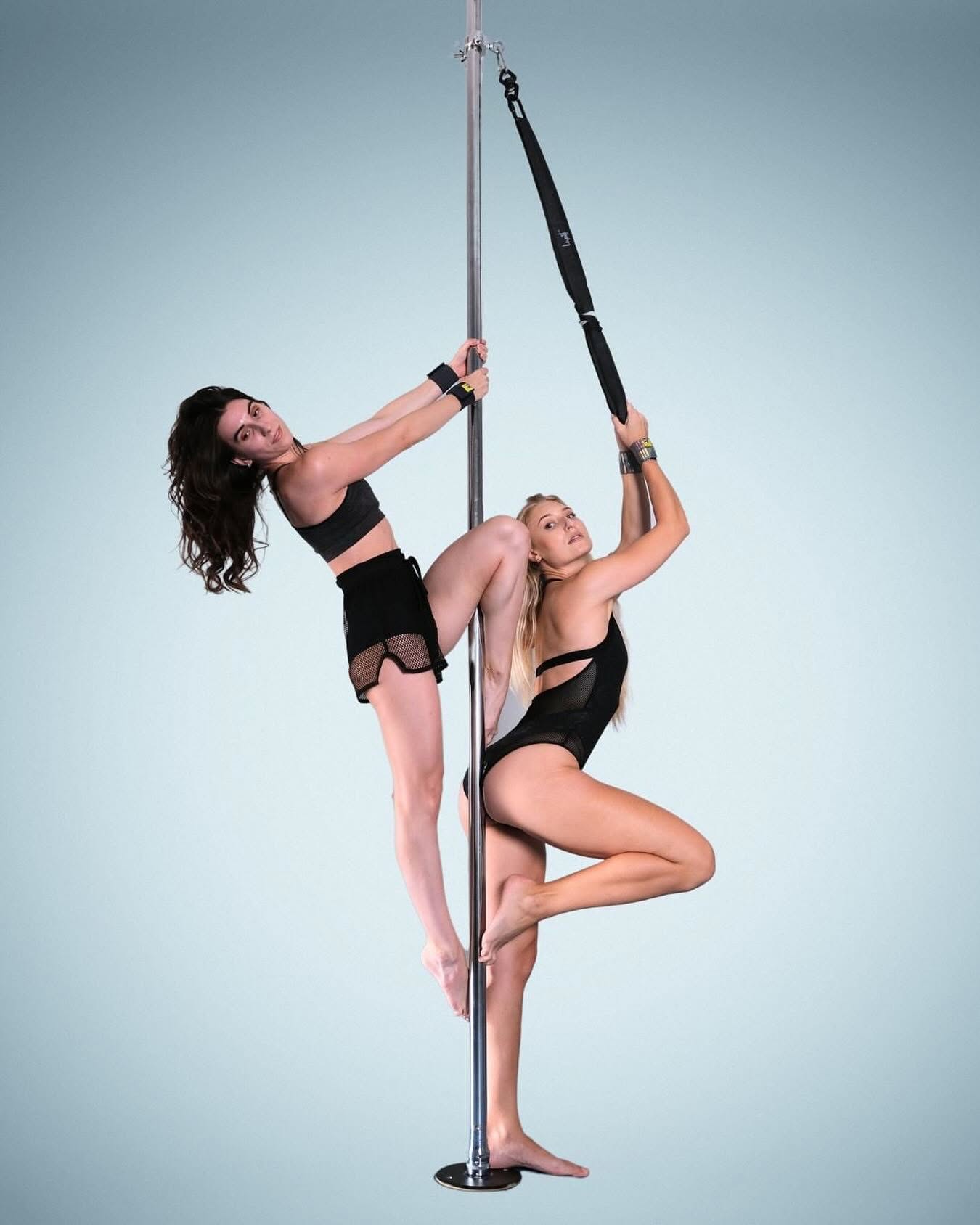
Over the wrist joint itself, which is the crease where your hand meets your forearm. If you wear it high up on the forearm it feels nice but does almost nothing, and if it slides onto the palm it gets in the way of your grip. Our wraps are designed to sit low on the wrist so they cover the joint while your fingers and palm stay free to grip the bar or the floor.
What does a good gym session with wrist support look like?
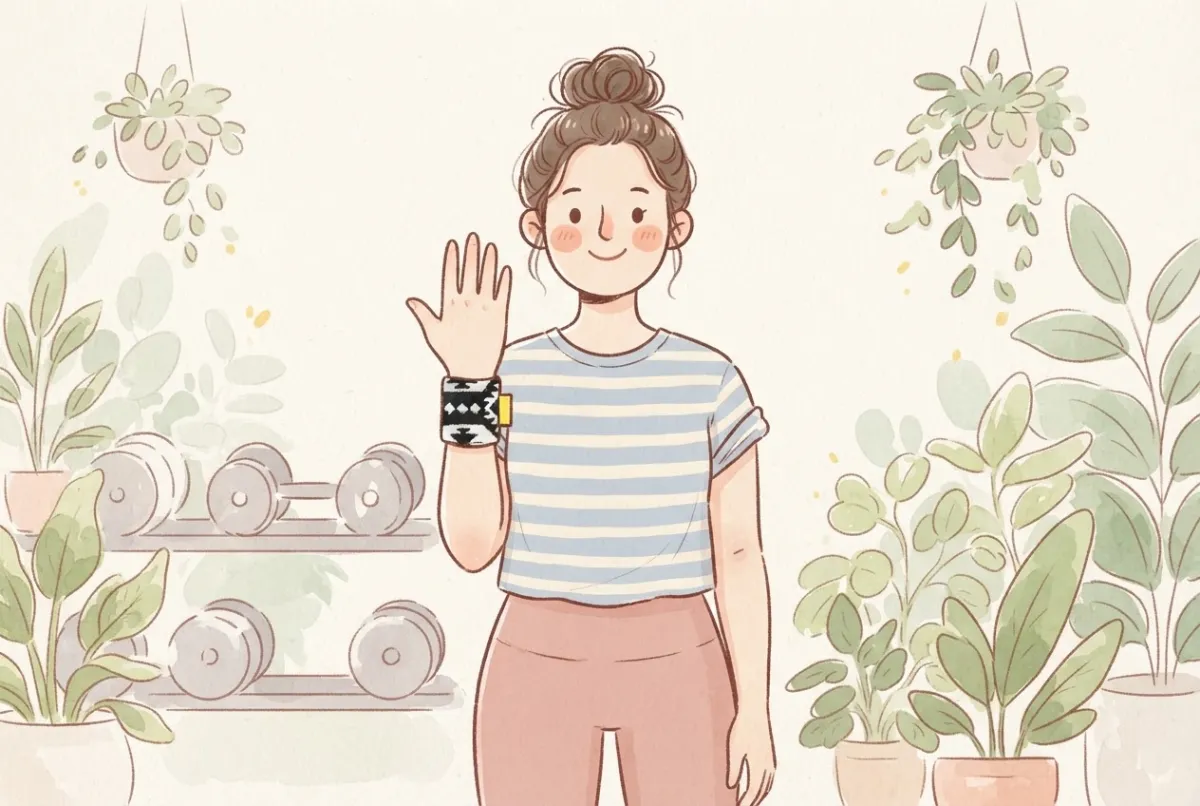
This is the routine I'd suggest for a typical upper-body or full-body day. Adjust the lifts to your programme, but keep the order.
- Warm up your wrists, bare (3 to 5 minutes). Do 10 slow circles each way, 10 gentle rocks forward and back on your hands on the floor or a bench, and 10 fist-to-spread-fingers. It should feel like the wrists are loosening, never like pinching. My wrist warm-up routine works just as well before a gym session.
- Do your warm-up sets bare. Use these sets to practise keeping the bar low in your palm and your knuckles stacked over your wrist.
- Wrap for working sets. Put the support on just before your heavier sets, with the tension set for that lift.
- Loosen between sets. Open the closure while you rest and do it up again before the next set.
- Take it off for pulling and legs. Your wrists don't need it there, and the break is good for your skin and your circulation.
- Finish with a minute of easy wrist movement. Some gentle circles and a light stretch of the forearms, so the wrists don't stay stiff.
Masha's tip: Keep your wraps in the same pocket of your gym bag and put them on at the same point in every session. It sounds silly, but a fixed habit stops you either forgetting them on heavy days or wearing them all session out of habit.
How do you use less wrist support over time?
Wraps don't seem to make wrists weak in the way people fear, and the research summarised by Barbell Medicine found no good evidence that they do. Still, it's nice to know your wrists can cope without them, so if you'd like to rely on support less, go gradually.
- Weeks 1 to 2: do every warm-up set without support, and wear it only for your top working sets.
- Weeks 3 to 4: take it off for your first working set of each lift and keep it for the heaviest sets.
- From week 5: keep support for genuinely heavy days, long push-up or handstand blocks, or days your wrists feel tired.
- Every week: add two short sessions of wrist and forearm strength work, which you'll find in my step-by-step wrist strengthening guide.
If your wrists ache more as you cut back, go back a step for a week or two. There's no prize for training without support, and plenty of strong people wear it on every heavy set.
What other gym habits help your wrists?
A few small things outside the main lifts make a big difference over months of training.
- Increase loads and volume in small steps. Wrists tend to get grumpy when push-up numbers or pressing weight jump suddenly.
- Mix your grips. Neutral-grip dumbbells, push-up handles and fists give the wrists a break from constant extension.
- Spread wrist-heavy work across the week instead of stacking bench, dips and handstands on the same day.
- Hand wash your wraps after sweaty sessions and let them dry fully, so they stay springy and kind to your skin.
- Train with people who'll tell you when your form slips, because it's much easier to fix a bent wrist when someone else spots it.
If you train with friends, you can each pick your own pair through one shared link and get them in one parcel with a group discount.
When should you stop using support and get your wrist checked?
Support is for a wrist that's working hard, and it shouldn't be used to hide an injury. Stop and get advice if you have swelling or bruising after a fall or a dropped weight, numbness or tingling that doesn't settle, pain at night, weakness when you grip, or pain that's still there after a couple of weeks of easing off. The NHS guidance on wrist pain covers when to see a GP and when to get urgent help, and the Cleveland Clinic page on wrist tendonitis explains the overuse pain that often builds up in people who press and push a lot. Wrists are also a common trouble spot in high-intensity training, with about one in five CrossFit athletes in one survey reporting a hand or wrist injury, so it pays to listen early.
For lift-by-lift technique with wraps on, see my guide to wrist wraps for lifting weights, and if push-ups are your problem, the push-up mistakes that hurt your wrists are worth a quick check.
More in Strength training
- How to Strengthen Your Wrists: A Progressive 8-Week Plan
- Wrist Pain When Bench Pressing: Causes, Grip Fixes and What Helps
- Wrist Pain From Push-Ups: Why It Happens and How to Build Tolerance
- Wrist Wraps for Lifting Weights: Presses, Front Rack and Overhead
- Best Wrist Support for the Gym: Wraps, Straps, Sleeves or Braces?
- 7 Push-Up Mistakes That Hurt Your Wrists and How to Fix Each One
- Exercises to Prevent Wrist Injuries: A 7-Minute Warm-Up and Prehab Routine
Questions people ask
Should I wear wrist wraps for every exercise?
No. They help most on lifts that push your wrist backwards, such as bench press, overhead press, dips and push-ups. On deadlifts, rows and leg exercises your wrist isn't bent under load, so wraps add little.
Is it bad to wear wrist wraps all the time?
Wearing firm wraps tight for a whole session can restrict blood flow and leave your hands tingly, so it's better to loosen them between sets. A softer elastic wrap at moderate tension can stay on longer if your hands feel normal.
Do wrist wraps make your wrists weaker?
There's no good evidence that they do, as long as you still train your wrists and forearms. Doing warm-up sets without wraps and adding some wrist strength work keeps your wrists used to working on their own.
Should beginners wear wrist support in the gym?
Beginners usually benefit most from learning to hold a straight, stacked wrist on lighter weights first. Support is useful once loads get heavier, if your wrists ache after pressing or push-ups, or when you're returning from a break.
How do I know if my wrist wrap is too tight?
If your fingers go pale, cold or tingly, or you can't easily make a fist and open your hand, it's too tight. Loosen it straight away and set it a little softer next time.
Shop the fix
Wraps made for exactly this
Handmade in Slovenia by a pole teacher, with firm compression that sits low on the wrist.
Sources we checked
Written by
Masha Pinner
Pole dance teacher at Pandora Art of Pole in Slovenia and former fashion designer. Masha started SneakyDeez in 2017 after years of teaching on sore wrists, and she still designs every pair.
Read Masha’s story