The short version
- Wrist wraps support the joint when it bends back under load, while lifting straps only help your grip on pulling exercises.
- Stiff powerlifting wraps suit maximal pressing, and flexible elastic wraps suit push-ups, dips, handstands, classes and everyday pressing.
- A rigid brace is for injury recovery on a doctor's or physio's advice, and it isn't designed for training.
- A wrap should cover the wrist joint itself and be sized by wrist circumference so it can get properly snug.
- Pain that lasts more than two weeks, tingling, numbness or swelling after a fall needs a medical check rather than more support.
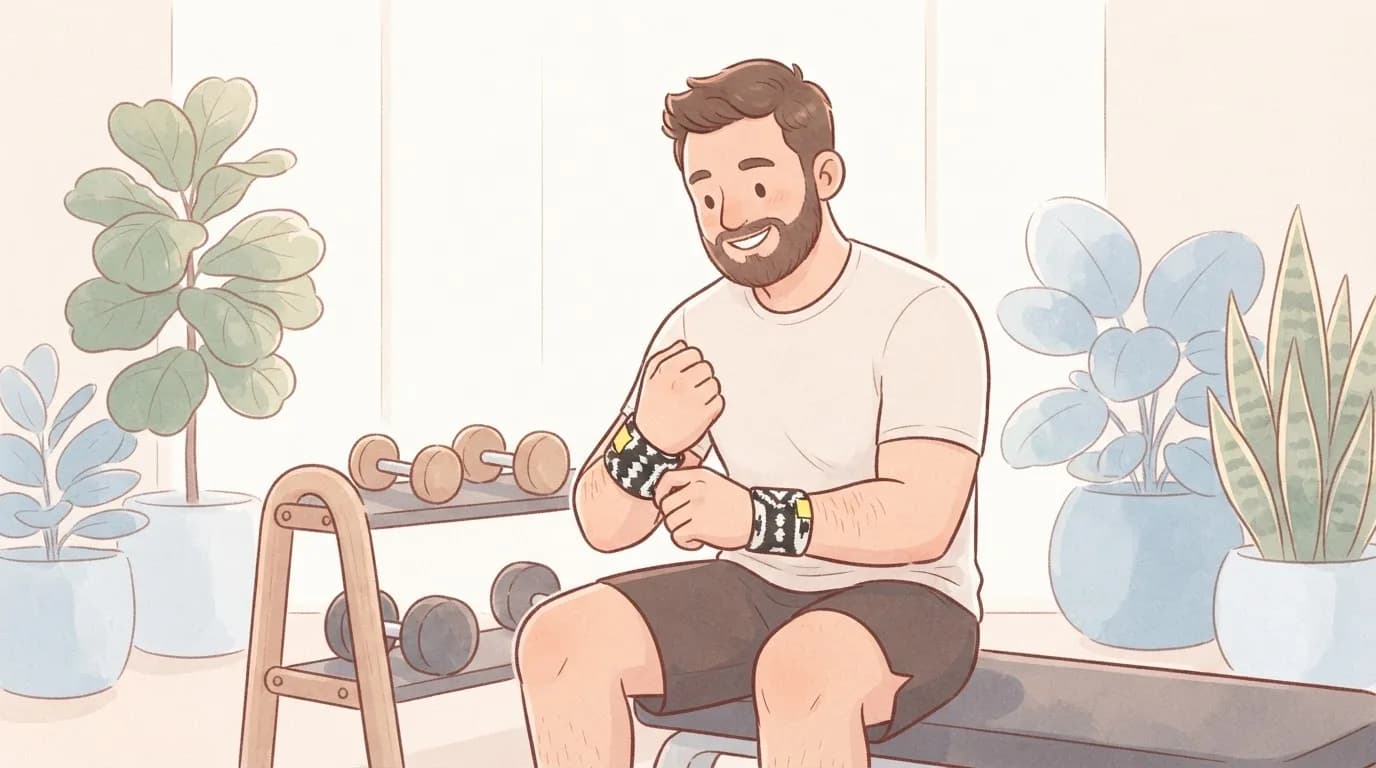
The best wrist support for the gym is the one that matches what your wrists are actually doing. Firm wrist wraps suit heavy pressing and bodyweight work where the wrist bends back under load, lifting straps are for pulls where your grip gives out, compression sleeves are for warmth and a light hug, and a rigid brace belongs to injury recovery rather than training. Most people only need one or two of these, so it's worth knowing which before you buy.
I make wrist wraps for a living, so I'll be upfront about where ours fit and where something else would serve you better. Let's go through the options, then match them to the training you do.
What types of wrist support are there for the gym?
Walk into any gym shop and you'll see five or six things that all get called "wrist support". They do quite different jobs, and buying the wrong one is the most common mistake I see.
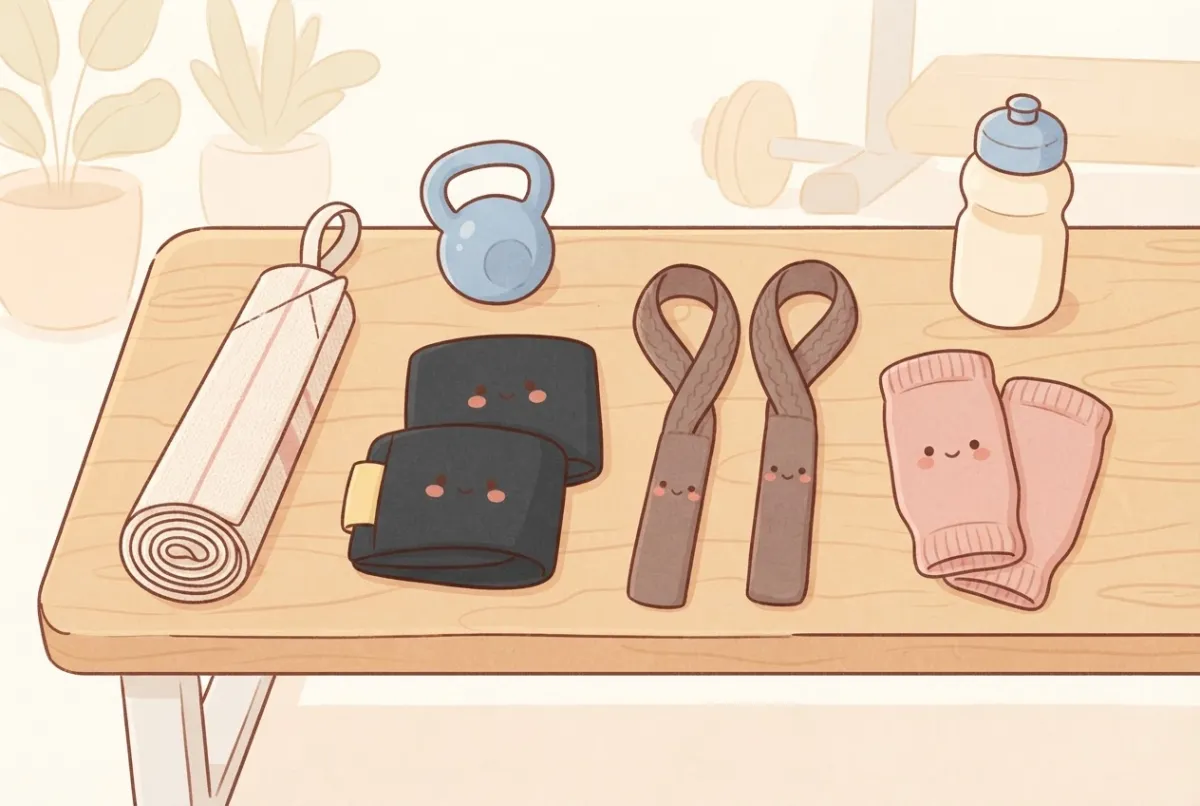
| Type | What it does | Best for | Less useful for |
|---|---|---|---|
| Stiff powerlifting wraps | Long, thick wraps that strongly limit the wrist bending back | Maximal bench and overhead press, heavy competition lifting | Anything that needs wrist movement, like cleans or handstands |
| Elastic wrist wraps | Shorter, stretchier wraps that give firm compression and some resistance to bending | Pressing, push-ups, dips, calisthenics, classes, handstands | Absolute max singles if you want the wrist locked solid |
| Lifting straps | Tie your hand to the bar so it can't roll out of your grip | Heavy deadlifts, rows, shrugs, pull variations | Any pressing, because they don't support the wrist joint at all |
| Compression sleeves | A light, even hug and a bit of warmth | General comfort, cold gyms, light sessions | Heavy loads, because they barely limit movement |
| Braces and splints | Hold the wrist in one position, often with a stay or splint | Recovery from an injury when a doctor or physio suggests it | Training, because they stop the wrist moving as it needs to |
| Lifting gloves | Padding for the palm, sometimes with a small built-in strap | Comfort on rough bars and machines | Real wrist support, and many lifters find they make grip worse |
If you'd like a longer look at the bands and sleeves on their own, I've written about the different types of wrist support band, and for how to use wraps on each barbell lift there's a separate guide to wrist wraps for lifting weights.
Which wrist support should you use for each gym activity?
Bench press and overhead press
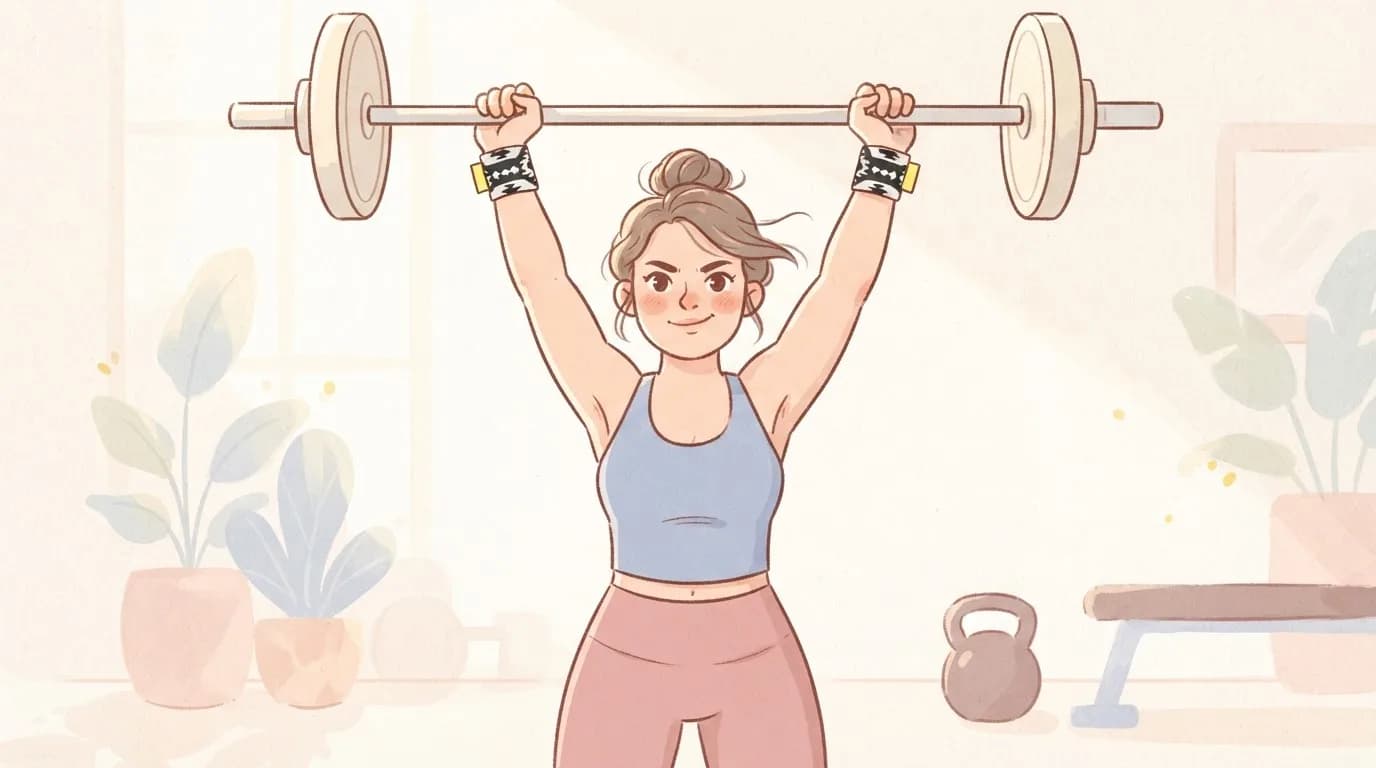
Pressing is where a wrap earns its place, because a heavy bar wants to tip your hand backwards. For everyday training a firm elastic wrap gives you enough resistance and a good reminder to keep the wrist stacked over the forearm. If you're competing or chasing heavy singles, many powerlifters choose a longer, stiffer wrap so the joint feels locked. Either way the wrap won't fix a bar that sits too high in the fingers, so have a look at my guide to wrist pain when bench pressing if pressing already hurts.
Front squats, cleans and the front rack
The front rack puts the wrist into deep extension, so a very stiff wrap can actually get in the way. Most lifters do better with a wrap that's snug but still lets the hand fold back, worn a little looser than they would for a bench. Mobility matters more here than any product.
Deadlifts, rows and pull-ups
Your wrist is pulled straight on these lifts, so it doesn't need much support. If your grip fails before your back or legs do, lifting straps are the right tool. Wrist wraps won't make your grip any stronger, and a review of the research by Barbell Medicine found that wraps don't reliably change grip strength.
Push-ups, dips, planks and handstands
Bodyweight work is where people get caught out, because a flat-palm push-up bends the wrist much further back than a barbell does. A flexible elastic wrap is the most practical choice here, because it gives compression and a bit of resistance without stopping you from putting your hand flat. Have a read of wrist pain from push-ups for the variations that take the pressure off.

Kettlebells, HIIT and circuit classes
Classes mix pressing, planks, burpees and swings with very little rest, so you want something you can leave on without it cutting into your skin or blocking your grip. A low-profile elastic wrap or a sleeve works well, and a stiff powerlifting wrap is usually overkill.
What should you look for in a gym wrist support?
Once you know which type you want, these are the details that separate a good one from a drawer-filler.
- Stiffness versus stretch. Stiffer means more support and less movement. Pick based on your heaviest regular lift, not the heaviest lift you've ever done.
- Width. A wider wrap covers more of the joint and feels more supportive, while a narrower one is lower profile and easier to move in. We make ours in 6 cm and 8 cm for exactly that reason.
- Where it sits. A wrap should cover the wrist joint itself. If it sits halfway up your forearm it does very little, and if it creeps onto your palm it gets in the way of your grip.
- Closure. Hook-and-loop closures let you loosen the wrap between sets in a second, which matters more than people think.
- Fit. Sizing by wrist circumference beats one-size-fits-all, because a wrap that's too big never gets snug and one that's too small digs in.
- Washability and comfort. Gym kit gets sweaty, so check that you can wash it and that the edges won't rub after twenty minutes.
Where do SneakyDeez wraps fit in?
I started making wraps because I was teaching pole every day with sore wrists and nothing I tried gave strong support without locking my wrist solid. So our wraps are elastic wraps with firm compression where the load is, and they sit low on the wrist so your grip stays yours. That makes them a really good match for push-ups, dips, handstands, calisthenics, classes and everyday pressing, and lots of people wear them for strength training as well as pole.
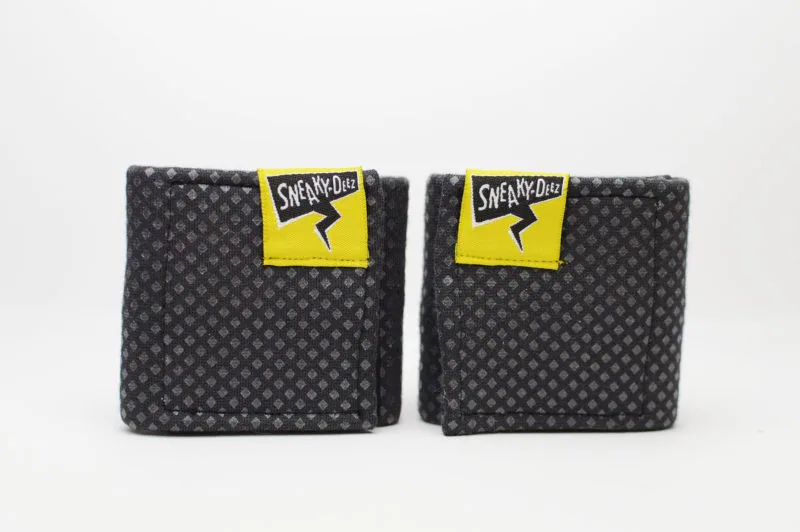
If you're a powerlifter who wants the wrist completely immobilised for a competition bench, I'd be honest and say a long, stiff powerlifting wrap is built for that job. For everything in a normal gym week, a firm elastic wrap is usually the more comfortable and versatile option.
Do you actually need wrist support at the gym?
Plenty of people train for years without any, and that's completely fine. Support makes sense when your wrists ache after pressing or push-ups, when you're adding load quickly, when you're coming back from a break, or when you simply feel more confident with a bit of compression. It makes less sense as a way to push through a wrist that already hurts every session, because then something in your technique, your load or your recovery needs looking at first.
It's also worth knowing that wrists take a real beating in some styles of training. In one survey of CrossFit athletes, about one in five reported a hand or wrist injury, and only around a third of those who got hurt had been wearing wrist wraps beforehand, as the study on hand and wrist injuries in CrossFit describes. That doesn't prove wraps would have changed anything, but it's a good reminder to take your wrists seriously before they complain. For the when and how of wearing support during a session, I've put together a separate guide on wearing wrist support at the gym.
Masha's tip: Buy for the training you do most weeks. If your programme is mostly push-ups, dips and moderate pressing, a stiff competition wrap will spend most of its life in your bag.
How do you choose the right size?
Measure around the narrowest part of your wrist, just above the wrist bone, with a soft tape or a piece of string. Our sizes go by that measurement: XS is under 14.5 cm, S is 14.5 to 15.5 cm, M is 16 to 17.5 cm and L is over 18 cm. If you fall between sizes, we also make pairs to measure. There's a step-by-step guide on how to measure your wrist size if you want to get it spot on.
When is a wrist support not the answer?
A wrap or sleeve is there to support a healthy wrist that's working hard. It isn't a fix for an injury, and covering up the warning signs can make things worse. The NHS advice on wrist pain suggests seeing a GP if pain stops you doing normal things, keeps coming back, or hasn't improved after two weeks of looking after it at home, or if you have tingling or numbness. Get urgent help after a fall or impact if your wrist is swollen, looks a strange shape, or you heard a snap or crack. Pain at night and real weakness in your grip are also worth getting checked, and the Cleveland Clinic overview of wrist pain is a good plain-language read on the common causes.
If your wrists are fine and you just want them to stay that way, regular strength work does more than any accessory, and my wrist strengthening guide is a good place to start.
More in Strength training
- How to Strengthen Your Wrists: A Progressive 8-Week Plan
- Wrist Pain When Bench Pressing: Causes, Grip Fixes and What Helps
- Wrist Pain From Push-Ups: Why It Happens and How to Build Tolerance
- Wrist Support at the Gym: When to Wear It, How Tight and How Long
- Wrist Wraps for Lifting Weights: Presses, Front Rack and Overhead
- 7 Push-Up Mistakes That Hurt Your Wrists and How to Fix Each One
- Exercises to Prevent Wrist Injuries: A 7-Minute Warm-Up and Prehab Routine
Questions people ask
Are wrist wraps or wrist straps better for the gym?
They do different jobs. Wrist wraps support the wrist joint on pressing and bodyweight work, while lifting straps attach your hand to the bar so your grip doesn't give out on deadlifts and rows. Many people end up with both and use each for its own lifts.
Should I wear a wrist brace for lifting weights?
A rigid brace holds your wrist in one position, which is useful when recovering from an injury but gets in the way of normal lifting. If a doctor or physio has given you a brace, follow their advice about when to wear it. For healthy wrists, a wrap or sleeve is the usual choice.
Do lifting gloves support your wrists?
Mostly they protect your palms from rough bars and calluses. A few have a small built-in strap, but it's usually much less supportive than a proper wrap, and some lifters find gloves make the bar feel thicker and harder to grip.
How tight should a gym wrist support be?
Snug enough that you feel firm resistance when your wrist bends back, but your fingers should keep their normal colour and you shouldn't feel tingling or numbness. Loosen it between sets so blood flow isn't restricted for long.
What width of wrist wrap is best?
A wider wrap covers more of the joint and feels more supportive, while a narrower one is lower profile and easier to move in. We make 8 cm for more coverage and 6 cm for a lighter feel, and either works well in the gym.
Shop the fix
Wraps made for exactly this
Handmade in Slovenia by a pole teacher, with firm compression that sits low on the wrist.
Sources we checked
Written by
Masha Pinner
Pole dance teacher at Pandora Art of Pole in Slovenia and former fashion designer. Masha started SneakyDeez in 2017 after years of teaching on sore wrists, and she still designs every pair.
Read Masha’s story