The short version
- Gymnasts mainly use elastic wraps, padded extension-limiting supports, palm-pad braces, athletic tape and wristbands under grips.
- Flexible wraps suit skills that need full wrist movement, while padded supports suit high-impact events like vault.
- Pole dancers need their palms free for grip, so low-profile wraps that stay on the wrist work better than padded supports or tape.
- Research on gymnastics wrist supports is limited but suggests braces can reduce wrist pain during training for some gymnasts.
- Young gymnasts with an ache on the back of the wrist that builds with training should be checked early because of the growth plate.
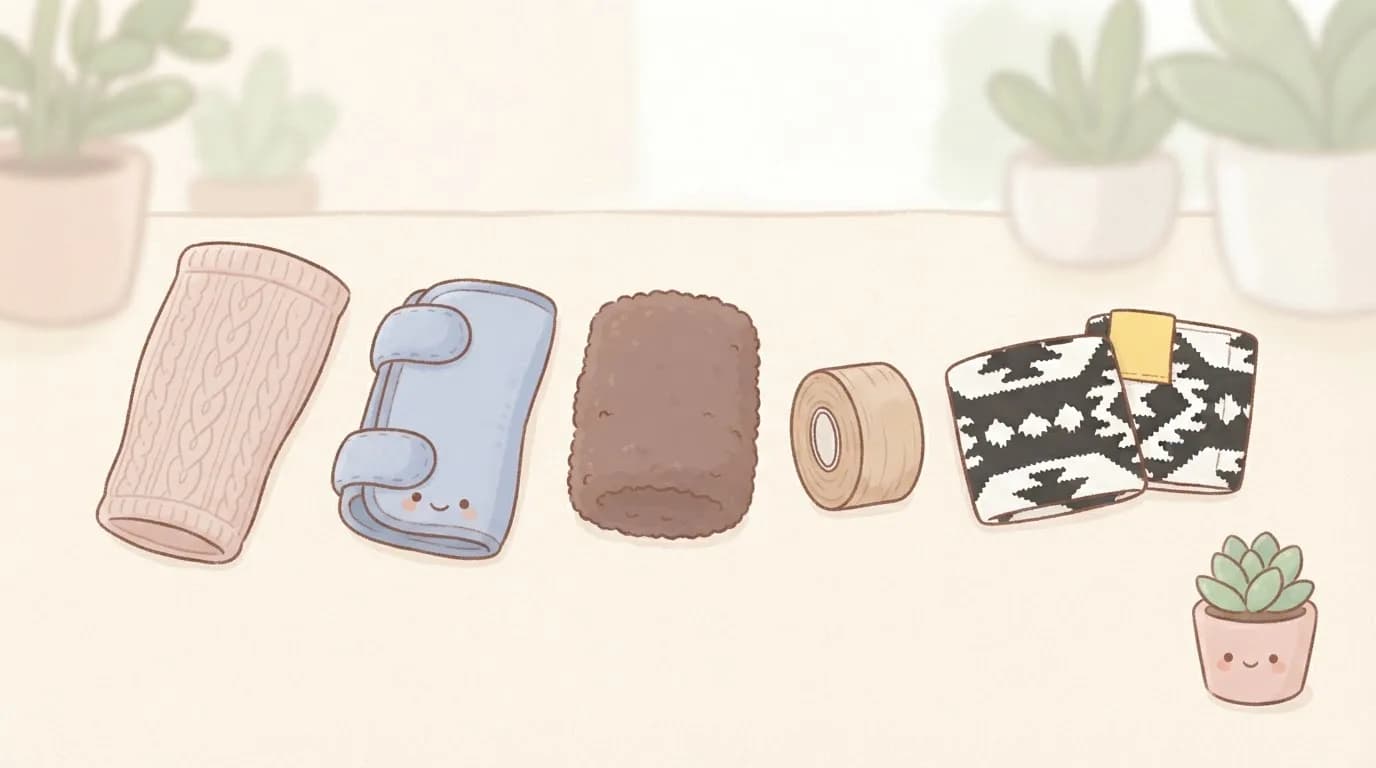
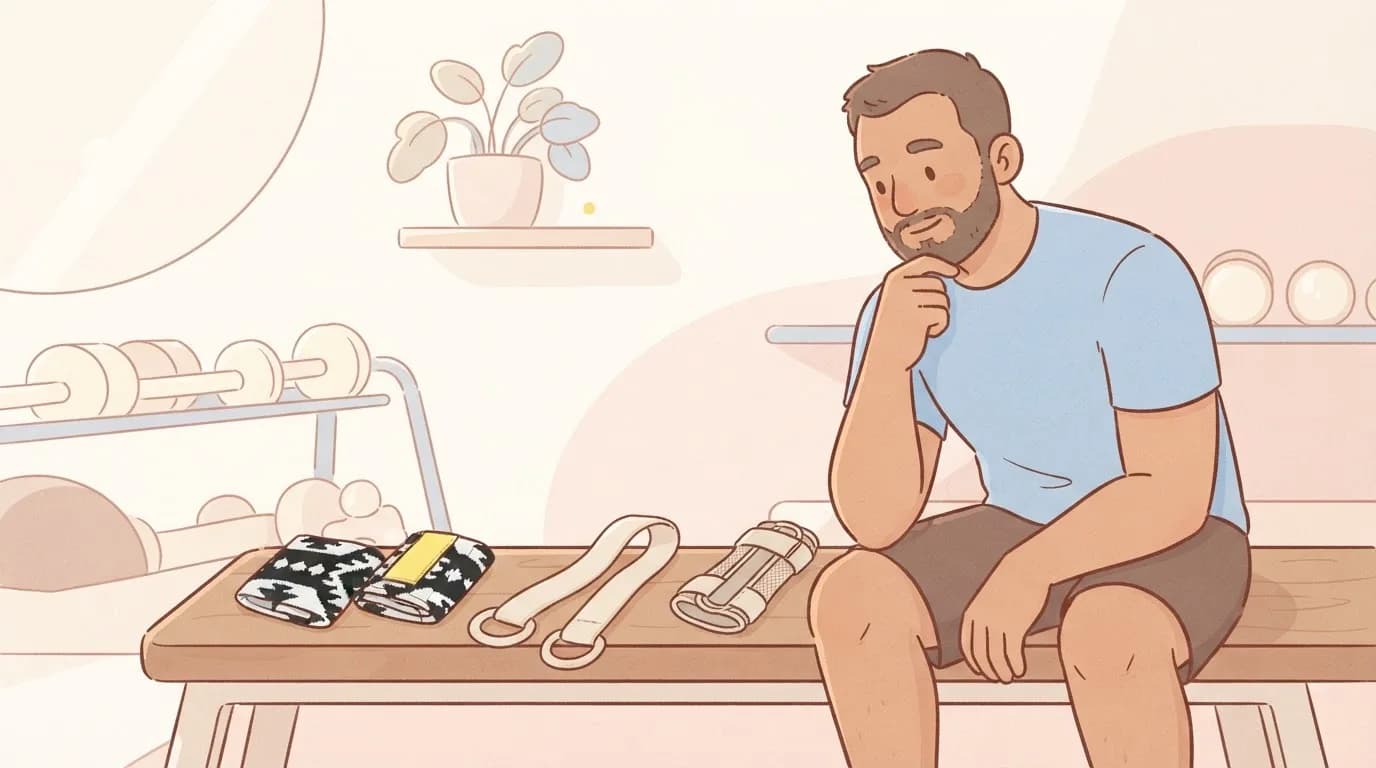
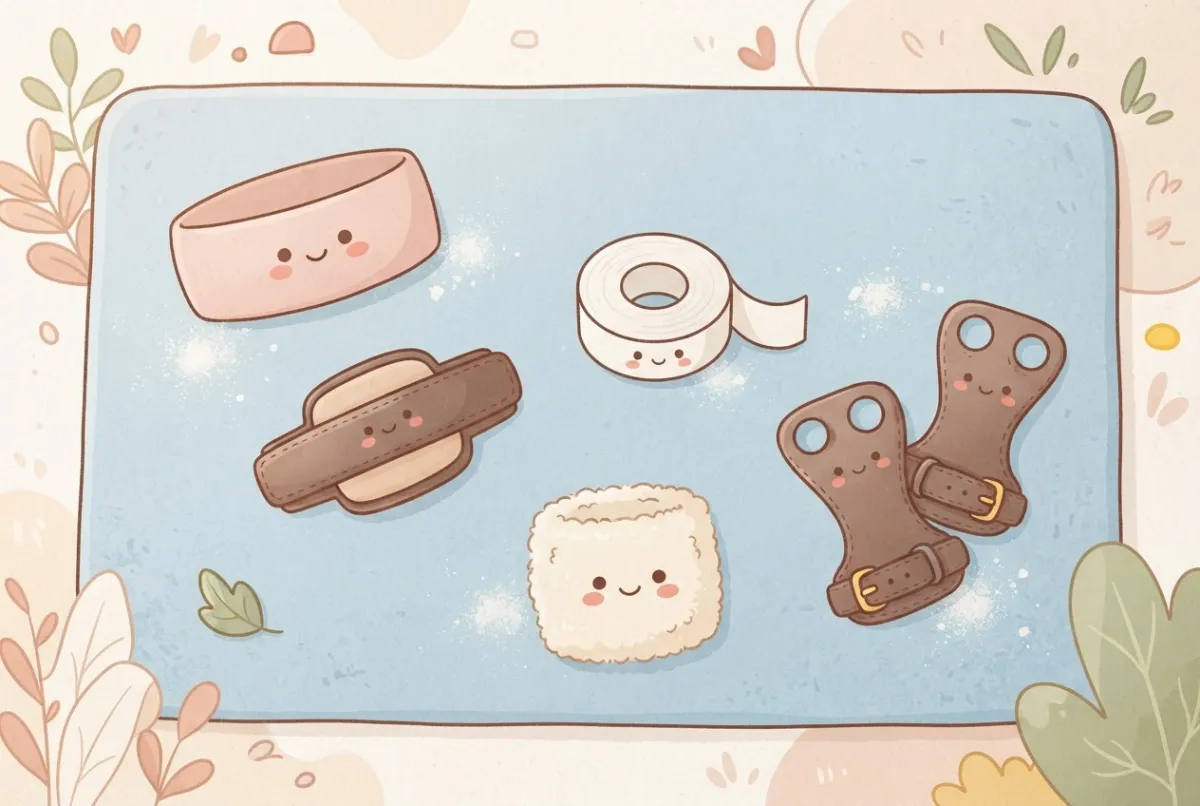
Gymnasts mainly use four kinds of wrist support: elastic wrist wraps or bands for compression and comfort, padded supports (like the Tiger Paws style) that limit how far the wrist bends back, athletic tape, and wristbands worn under bar grips. Which one suits you depends on your discipline, how much your wrist needs to bend, whether you need full grip and skin contact, and whether you're dealing with pain that should be checked first. Calisthenics athletes and pole dancers face the same wrist demands, but they usually need more freedom of movement, so they tend towards flexible wraps.
I come from the pole side of things, but my wraps have always been popular with gymnasts, tumblers and handstand people too, because the problem is the same: lots of body weight going through a bent wrist, over and over. Below I go through what's out there and how to pick.
Why do gymnasts' wrists take such a beating?
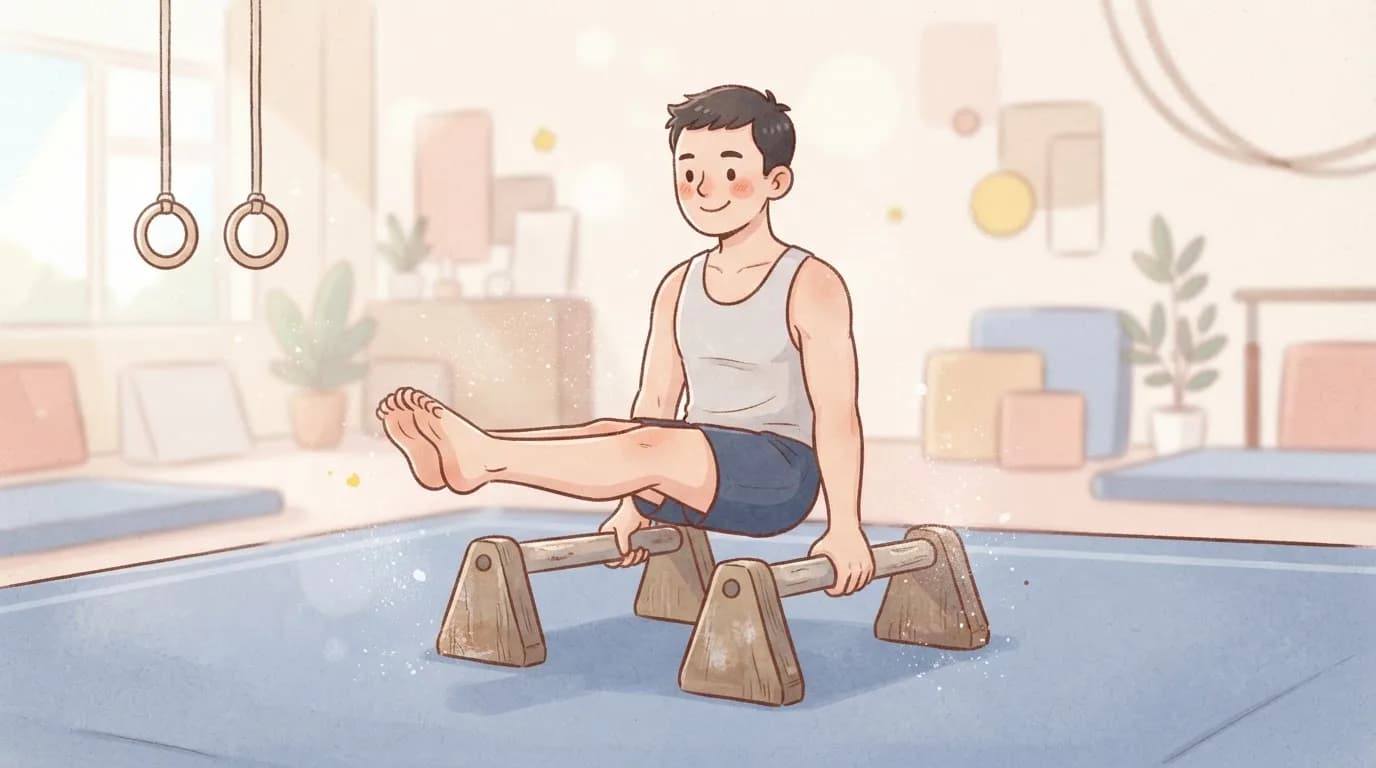
In most sports the wrists carry a racket or a bar. In gymnastics they carry the whole body, often with the wrist bent back as far as it goes, and sometimes with impact on top, as in round-offs, back handsprings, vaults and pommel work. Handstands, planche, press-to-handstand and bridges all ask the wrist to take load at the end of its range.
Young gymnasts have an extra thing to think about. While they're still growing, the growth plate at the end of the forearm bone is softer than mature bone, and repeated loading can irritate it. This is often called "gymnast's wrist", and it typically shows up as an ache on the back of the wrist that builds with training. Medical reports describe it as an overuse injury in growing athletes that usually settles with rest, changes to training and supervised rehab, and that early recognition matters (Journal of the Belgian Society of Radiology). That's why ongoing wrist pain in a young gymnast always deserves a proper check rather than just a support.
What wrist supports do gymnasts use?
Elastic wrist wraps and bands
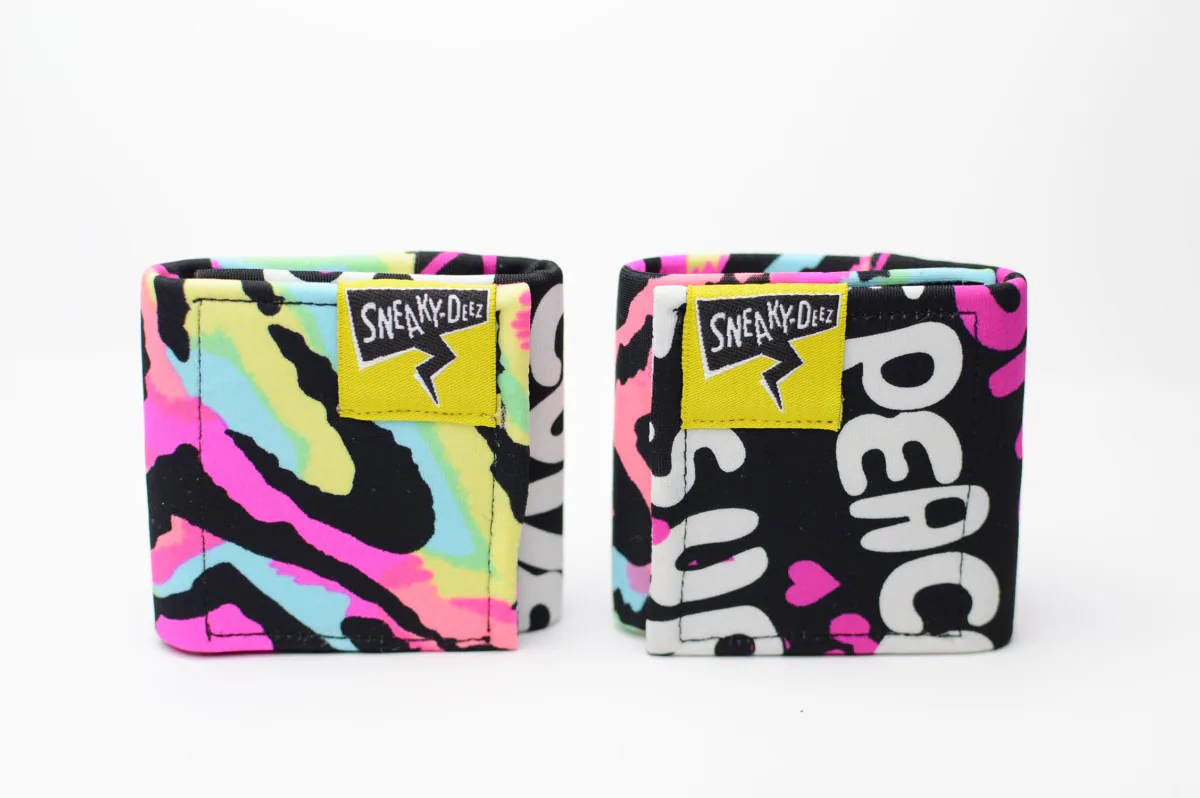
These are firm elastic bands that close around the wrist. They give compression, warmth and a supported feeling, and because there's nothing rigid inside, you keep almost all of your range of motion. They're common for floor, beam, tumbling, conditioning and handstand practice, and they're the type I make. If you're new to wearing them, my guide on how to wear wrist wraps properly covers placement and tightness.
Padded extension-limiting supports
Supports in the Tiger Paws style are usually leather or synthetic straps with removable foam or plastic inserts, designed to hold the wrist straighter and stop it bending back as far. They give much more mechanical support than an elastic wrap, which is why they're popular for vault, floor and pommel horse, but they're bulkier and you lose some range, which some gymnasts find changes how skills feel.
Braces with a palm-side pad
Some sport braces use a pad under the heel of the hand to spread the load and limit extension. In one study, 48 young male gymnasts with wrist pain reported significantly less pain when training in a brace like this for three weeks (Trevithick et al., Journal of Hand Therapy). That's a promising result, though it was a small group of boys and young men tested over a short period, so it's not the final word. If you want to understand braces in general, I've explained what a wrist brace is and when you need one.
Athletic tape
Rigid zinc-oxide tape, often applied in a figure-of-eight or an X across the wrist, can limit how far the joint bends. It's cheap and adjustable, but it's single use, it can irritate skin with daily use, and it takes practice to apply well. Ask a coach or physio to show you how, rather than copying a video and taping too tight.
Wristbands under grips
Bar grips protect your palms, and gymnasts often wear a wristband or wrap underneath so the grip's strap doesn't rub. That's about comfort and skin, and the grip itself doesn't support the wrist joint.
Gymnastics wrist supports compared
| Support | How it helps | Trade-off | Often used for |
|---|---|---|---|
| Elastic wrap or band | Compression, warmth, supported feeling | Doesn't stop the wrist bending back | Floor, beam, handstands, conditioning, calisthenics, pole |
| Padded support (Tiger Paws style) | Limits extension, spreads load | Bulky, less range of motion | Vault, floor, pommel horse |
| Palm-pad brace | Limits extension, cushions the heel of the hand | Bulky, changes the feel of hand placement | Gymnasts training with existing wrist pain |
| Athletic tape | Adjustable restriction | Single use, skill to apply, skin irritation | Short-term support on specific apparatus |
| Wristband under grips | Stops grip straps rubbing | No joint support | Bars and rings |
For a wider look at every type, including sleeves, splints and thumb spicas, see my comparison of types of wrist support.
What about calisthenics, handstands and pole?
Calisthenics athletes spend a lot of time in planche leans, handstands and push-up variations, so their wrists face similar loads to gymnasts but usually without the impact. Most prefer elastic wraps because they keep full movement, and many also use parallettes or push-up handles for some of their work, which keeps the wrist straighter and gives it a break from deep extension.
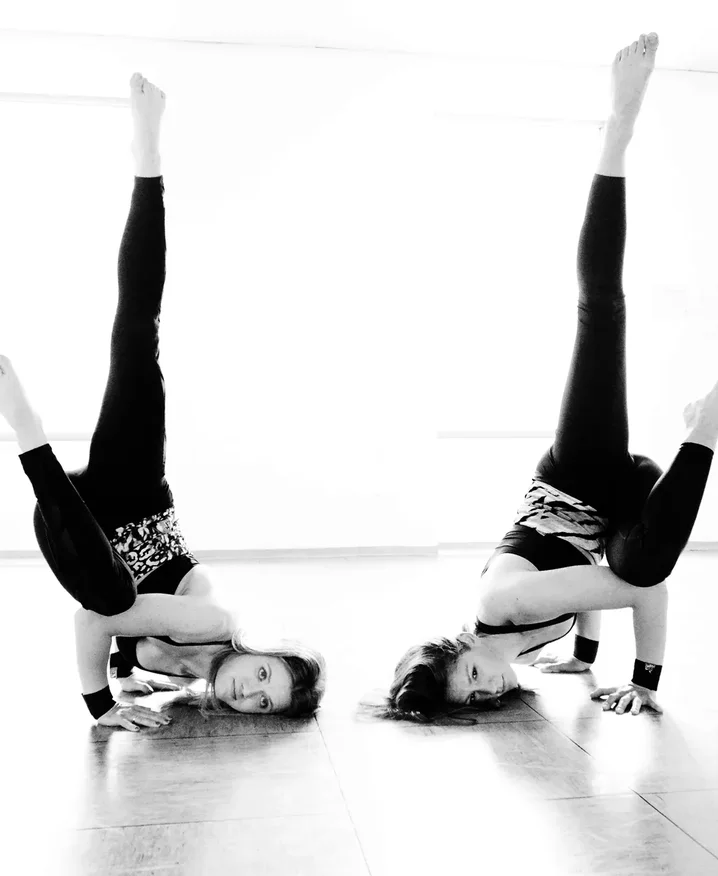
Pole is a special case. You need your palms and the inside of your wrists free for skin contact with the pole, and anything bulky on the hand gets in the way of grip, so padded supports and tape on the palm don't really work. That's exactly why I designed SneakyDeez to sit low on the wrist without covering the hand. If you do aerial too, my article on wrist care for aerial hoop and silks covers the extra demands there.
How do you choose the right gymnastics wrist support?
- Start with how your wrist feels. If it's a general ache from training volume, an elastic wrap is a good first step. If you have sharp pain, pain in one spot, pain after a fall, or you're a young gymnast with an ache that keeps building, get it checked before choosing any support.
- Think about how much movement you need. Skills that need full wrist bend, like walkovers, handstand work or pole, suit flexible wraps better than padded supports.
- Consider impact. Vault and power tumbling put sudden force through the hands, and that's where gymnasts more often reach for padded or extension-limiting supports, ideally on a coach's or physio's advice.
- Check grip and skin contact. If your sport needs your palms free, choose something that stays on the wrist.
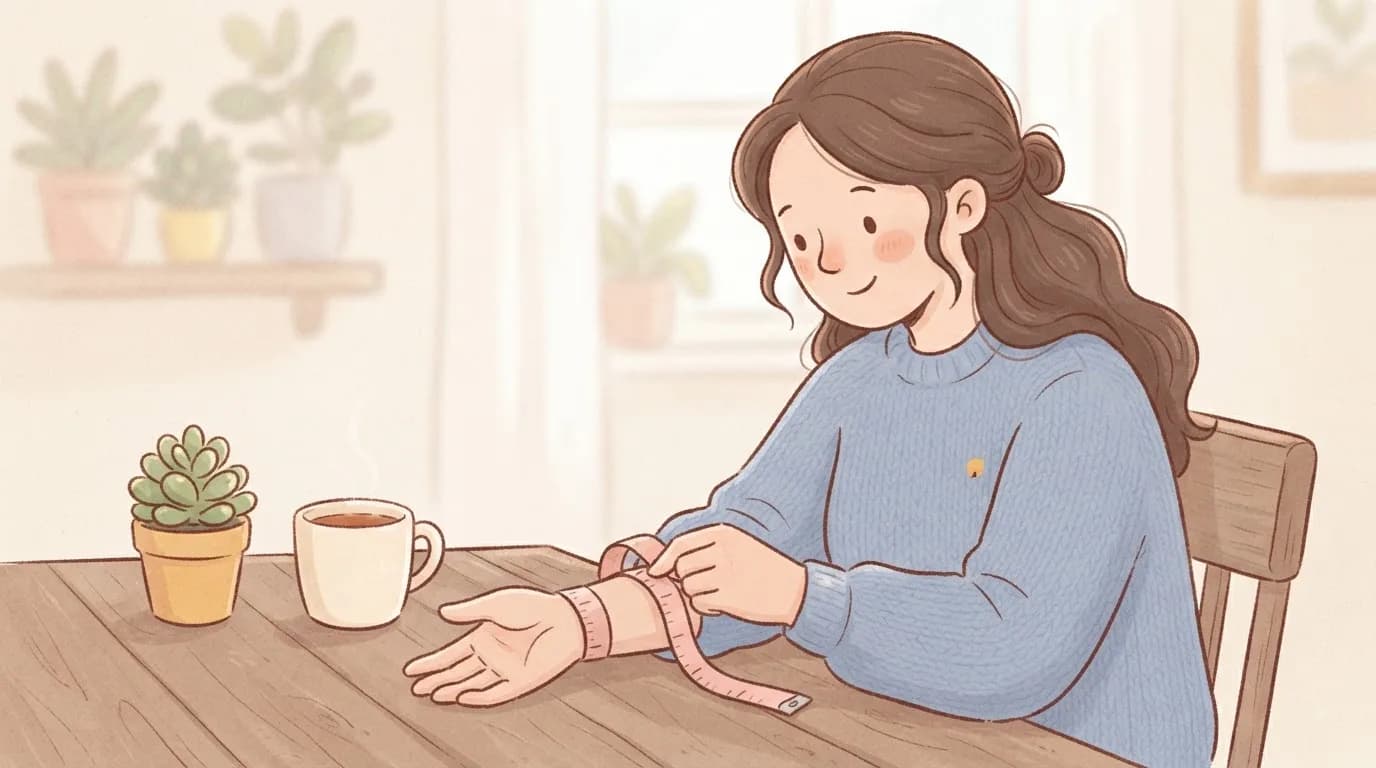
- Get the size right. Any wrap or brace that's too loose slides around and one that's too tight causes tingling. For SneakyDeez, S and M are kept in stock, XS and L are made to measure, and you can find your size with my guide on how to measure your wrist.
Masha's tip: Whatever support you choose, keep your wrist warm-up and conditioning as non-negotiable parts of every session. Supports help a lot on heavy days, but wrists that are strong and used to the load are what keep you training happily for years.
Does research show wrist supports help gymnasts?
The research is encouraging but thin. A systematic review of wrist guards in gymnastics found only three studies that met its criteria, concluded that the best current evidence supports braces as protective equipment against wrist pain and injury, and also noted reports of reduced proprioception and effects on performance, plus a lack of research on female gymnasts (Choo, Smith and Cook, The Sport Journal). In plain terms, supports seem to help many gymnasts feel better while they train, but nobody can honestly promise that any support stops injuries, and they work best as part of a bigger plan.
What else keeps a gymnast's wrists healthy?
- A proper warm-up before any weight-bearing, with circles, rocking on all fours and gradual loading.
- Wrist and forearm strengthening two or three times a week. My guides on how to strengthen your wrists and wrist exercises are good starting points.
- Sensible progression, especially after a break, a growth spurt or a jump in training hours.
- Good hand position in handstands, with fingers spread and actively pressing into the floor. There's more in wrist pain in handstands.
And please see a doctor or physio for swelling or bruising after a fall, numbness or tingling that doesn't go away, pain at night, a weaker grip, or pain lasting more than a couple of weeks. For young gymnasts, an ache on the back of the wrist that gets worse with training is worth checking early. If you're not sure whether you need support at all, my guide on when to use wrist support can help.
If your whole squad wants wraps, you can each pick your own design and share one parcel.
More in Wrist supports & wraps
- Types of Wrist Support: Wraps, Sleeves, Braces, Splints and Tape Compared
- Wrist Wraps vs Straps vs Braces: Which One Do You Actually Need?
- How to Measure Your Wrist Size for Wrist Wraps (With Size Chart)
- How to Wash Wrist Wraps So the Elastic Stays Firm
- Upcycled Fabric: How SneakyDeez Wrist Wraps Are Made
- What Is a Wrist Brace, and When Do You Actually Need One?
- Wrist Compression for Support and Recovery: What It Does and What It Doesn't
- When Should You Wear Wrist Support? A Simple Decision Guide
Questions people ask
What are Tiger Paws in gymnastics?
Tiger Paws is a well-known style of gymnastics wrist support, usually made of leather or synthetic material with removable foam and plastic inserts. They hold the wrist straighter and limit how far it bends back, which many gymnasts use for vault, floor and pommel horse.
Should young gymnasts wear wrist supports?
Supports can make training more comfortable, but they should not hide ongoing pain. A young gymnast with an ache on the back of the wrist that builds with training should see a doctor or physio, because the growth plate in the forearm can be irritated by repeated loading.
Are wrist wraps good for handstands?
Many people find a flexible wrap makes handstand practice more comfortable because it adds compression without stopping the wrist from bending. Pair it with a good warm-up, spread fingers and gradual progression.
Do gymnasts tape their wrists?
Yes, many gymnasts use rigid athletic tape to limit how far the wrist bends, often in a figure-of-eight or X pattern. It works best when a coach or physio shows you how to apply it, because tape that is too tight can cause numbness.
What wrist support is best for calisthenics?
Most calisthenics athletes prefer elastic wraps because they keep full movement for handstands, planche and push-ups. Parallettes or push-up handles are also useful because they keep the wrist straighter for some exercises.
Can you wear wrist supports with gymnastics grips?
Yes. Gymnasts often wear a wristband or thin wrap under their grips so the grip strap does not rub. Make sure the combination is not too tight, and check your fingers stay their normal colour and feel.
Shop the fix
Wraps made for exactly this
Handmade in Slovenia by a pole teacher, with firm compression that sits low on the wrist.
Sources we checked
- Choo, Smith and Cook (2021), The Sport Journal: Use of wrist guards for gymnasts, a systematic review
- Trevithick, Mellifont and Sayers (2020), Journal of Hand Therapy: Wrist pain in gymnasts, efficacy of a wrist brace
- El Madani and Taihi (2026), Journal of the Belgian Society of Radiology: MRI diagnosis of gymnast's wrist
Written by
Masha Pinner
Pole dance teacher at Pandora Art of Pole in Slovenia and former fashion designer. Masha started SneakyDeez in 2017 after years of teaching on sore wrists, and she still designs every pair.
Read Masha’s story