The short version
- Centre wrist wraps over the wrist joint so they cover the crease without sitting on your palm.
- Close them firmly with your hand relaxed, then check that your fingers look and feel normal.
- Tingling, numbness, coldness or colour changes in the fingers mean the wrap is too tight.
- SneakyDeez S and M are stocked, XS and L are made to measure, and between sizes the smaller one gives firmer support.
- Hand wash and air dry elastic wraps, because heat wears out the elastic faster.
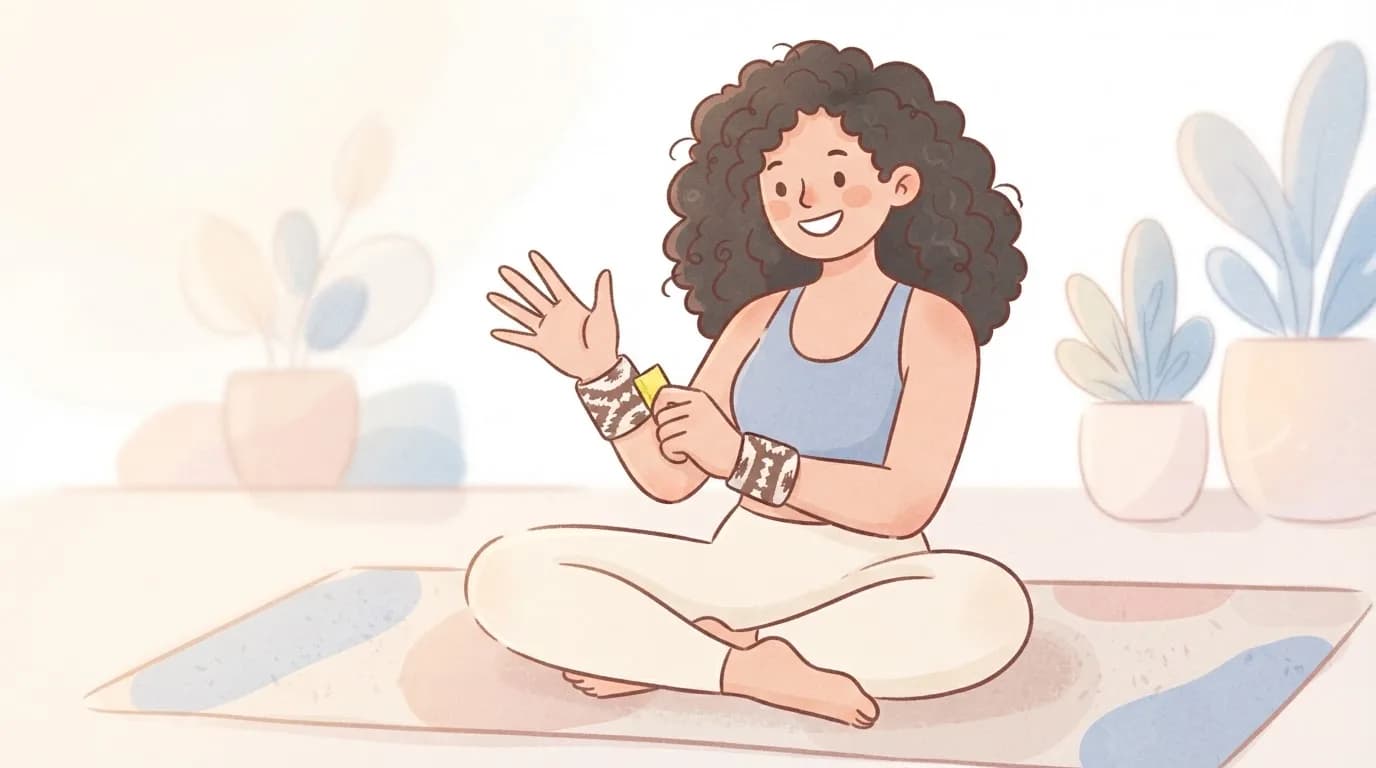
To wear wrist wraps properly, centre them over the wrist joint so they cover the crease where your hand meets your forearm without creeping onto your palm, close them firmly with your hand relaxed, and check that your fingers still look and feel normal. Put them on after your warm-up for the parts of training that load your wrists, and take them off when you're resting or stretching. Getting the size, the position and the tightness right makes much more difference than most people expect.
I've watched hundreds of students put wraps on over the years, and the same handful of mistakes come up again and again. This is everything I'd show you if we were standing next to each other in the studio.
Which kind of wrist wrap do you have?
Before we get to technique, it helps to know what you're working with, because the two main kinds are worn differently.
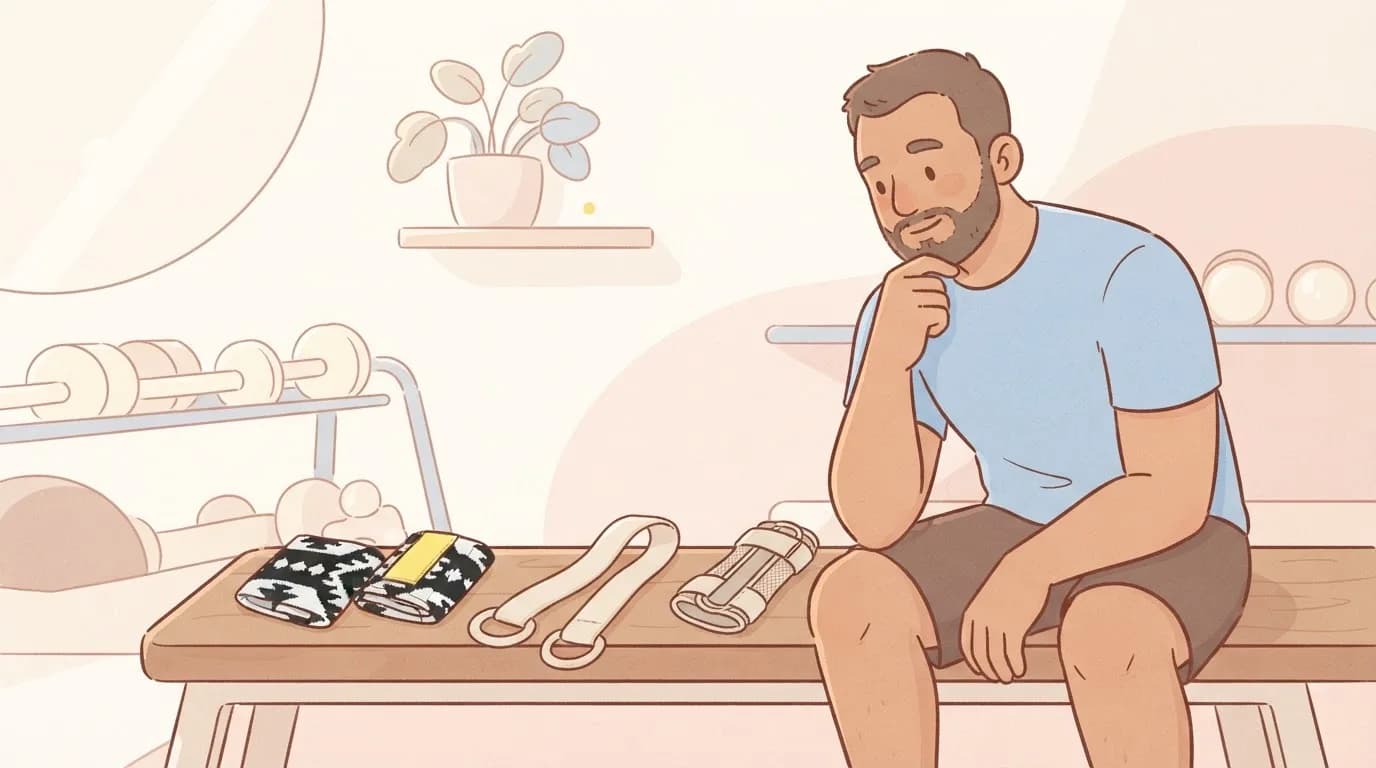
- Elastic compression wraps, like SneakyDeez, are fairly short, firm elastic bands that close around the wrist. They're made to support the joint while it still bends fully, so they suit pole, aerial, handstands, yoga, push-ups and general training.
- Stiff lifting wraps are long strips with a thumb loop that you wind round several times. They're designed to stop the wrist bending back under a heavy barbell, and they're too restrictive for most other things.
If you're not sure which you need, my comparison of the different types of wrist support covers both, plus sleeves, braces and tape.
Where should wrist wraps sit on your wrist?
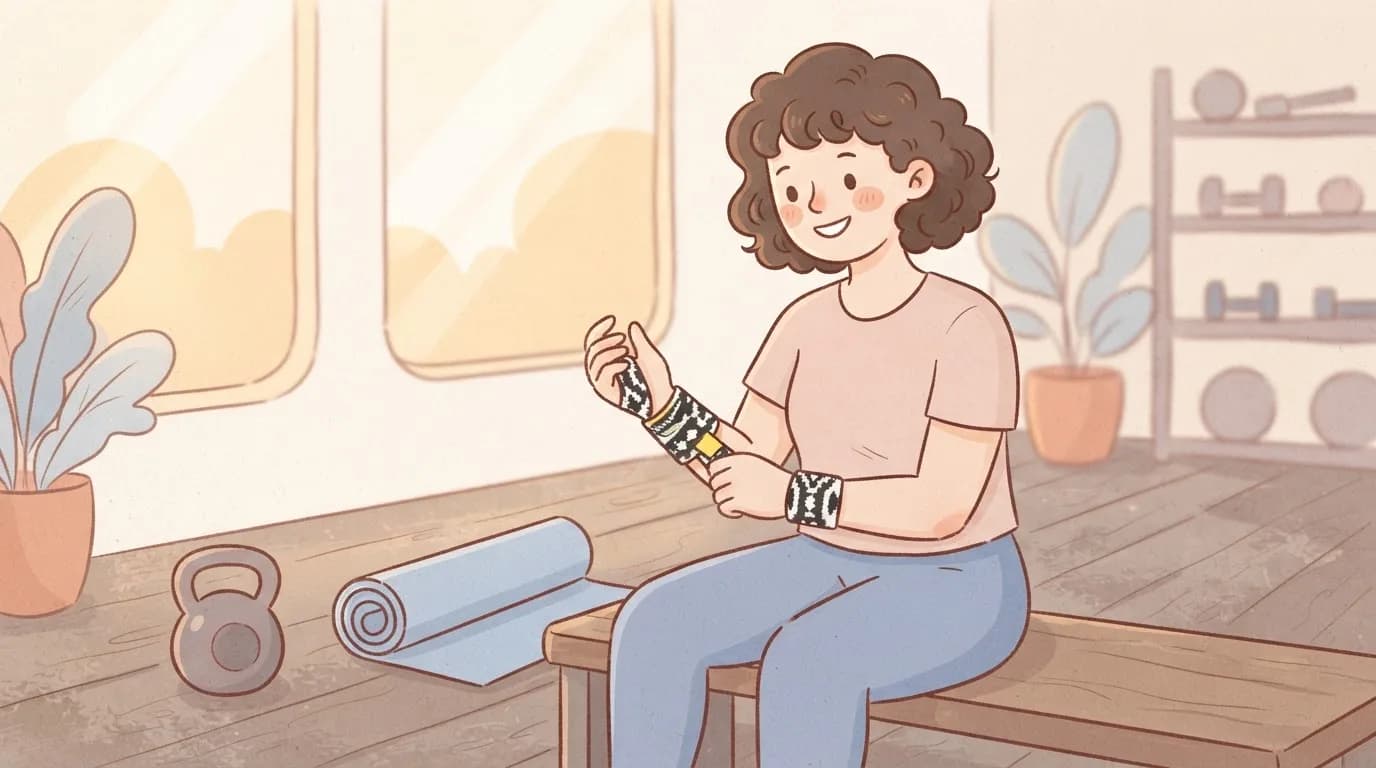
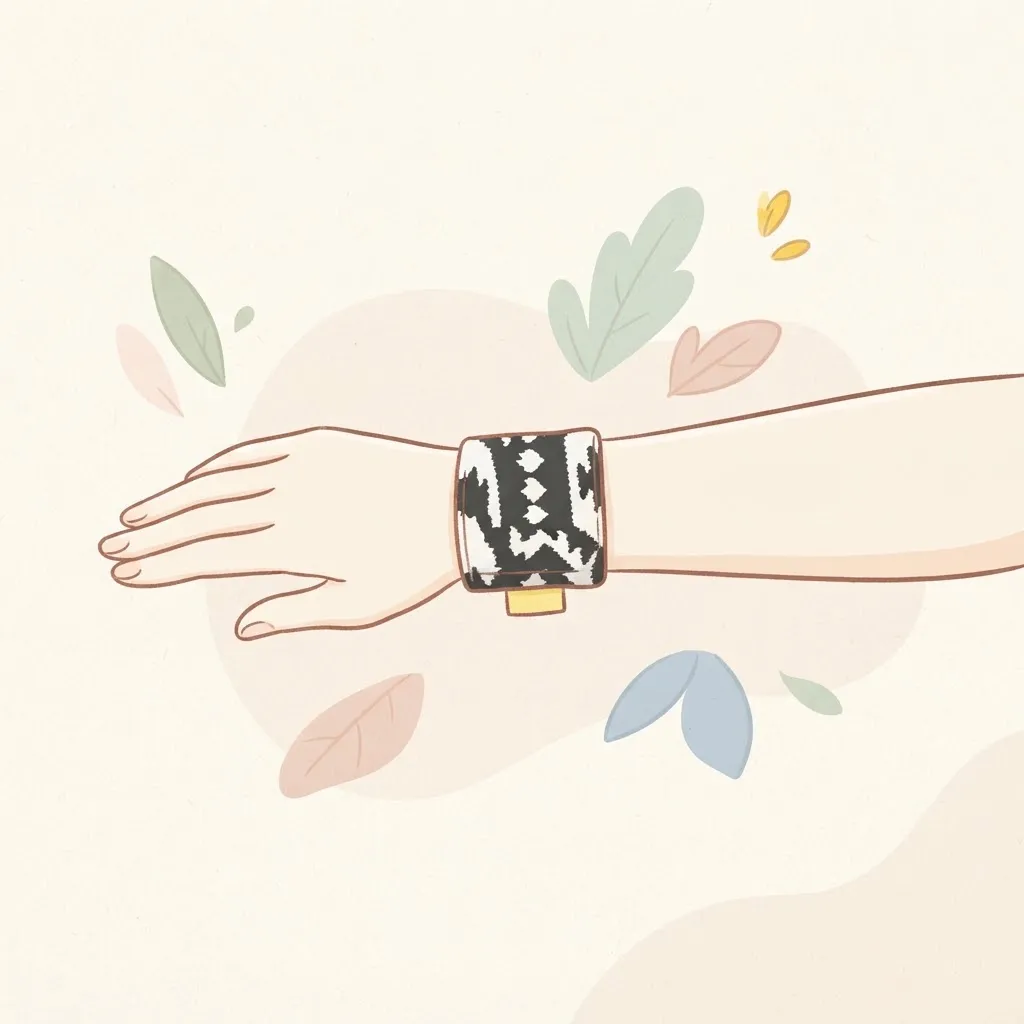
The wrap should sit over the wrist joint itself. Find the crease on the palm side where your hand meets your forearm, and place the wrap so it covers that crease and the joint just above it. The lower edge should sit around the crease rather than on the heel of your hand.
There are two ways people get this wrong. If the wrap creeps down onto your palm, it gets in the way of your grip, which on a pole or a bar is the last thing you want. If it rides too far up your forearm, it's just compressing muscle and does very little for the joint that's actually taking the load. I designed SneakyDeez to sit low on the wrist for exactly this reason, so the support is where the load is and your grip stays yours.
How do you put on wrist wraps, step by step?
- Warm up first. Spend 3 to 5 minutes on wrist circles, gentle rocking on all fours and finger stretches. My wrist warm-up for pole and aerial works for any sport.
- Relax your hand. Keep your fingers loose and open rather than making a fist, because clenching changes the shape of your wrist and you'll end up with the wrong tightness.
- Position the wrap so it covers the wrist crease and the joint, as described above.
- Close the Velcro firmly. It should feel snug and even all the way round, like a firm hand holding your wrist.
- Check your fingers. Wiggle them and look at the colour. They should feel and look exactly as they did before.
- Test it with a move. Do a few slow wrist bends, a plank or a pole grip. If the wrap slides, pinches or digs in anywhere, readjust before you start training properly.
For stiff lifting wraps, the idea is the same, but you wind the wrap round the joint in overlapping layers, pulling a little tension with each turn. Many lifters slip the thumb loop off once the wrap is secured so it doesn't tug on the thumb during the lift.
How tight should wrist wraps be?
You want them firm enough to feel the support while your hand doesn't notice them at all. If your fingers tingle, go cold or numb, or turn pale, blue or blotchy, the wrap is too tight, so take it off and close it a little looser. Light marks on your skin that fade within a few minutes are normal, but deep marks that hang around for a long time mean it's been too tight for too long.
Your wrists can swell slightly as you warm up, so check again after the first ten or fifteen minutes. With lifting wraps, it's common to wind them tighter for your heaviest sets and loosen them between sets, so they're never tight for long stretches.
Masha's tip: If you're getting pins and needles in your fingers in class, don't just push through it. Loosen the wrap first, and if the tingling still comes back when your wrists aren't wrapped, mention it to a doctor, because that's something worth checking.
What size wrist wraps do I need?
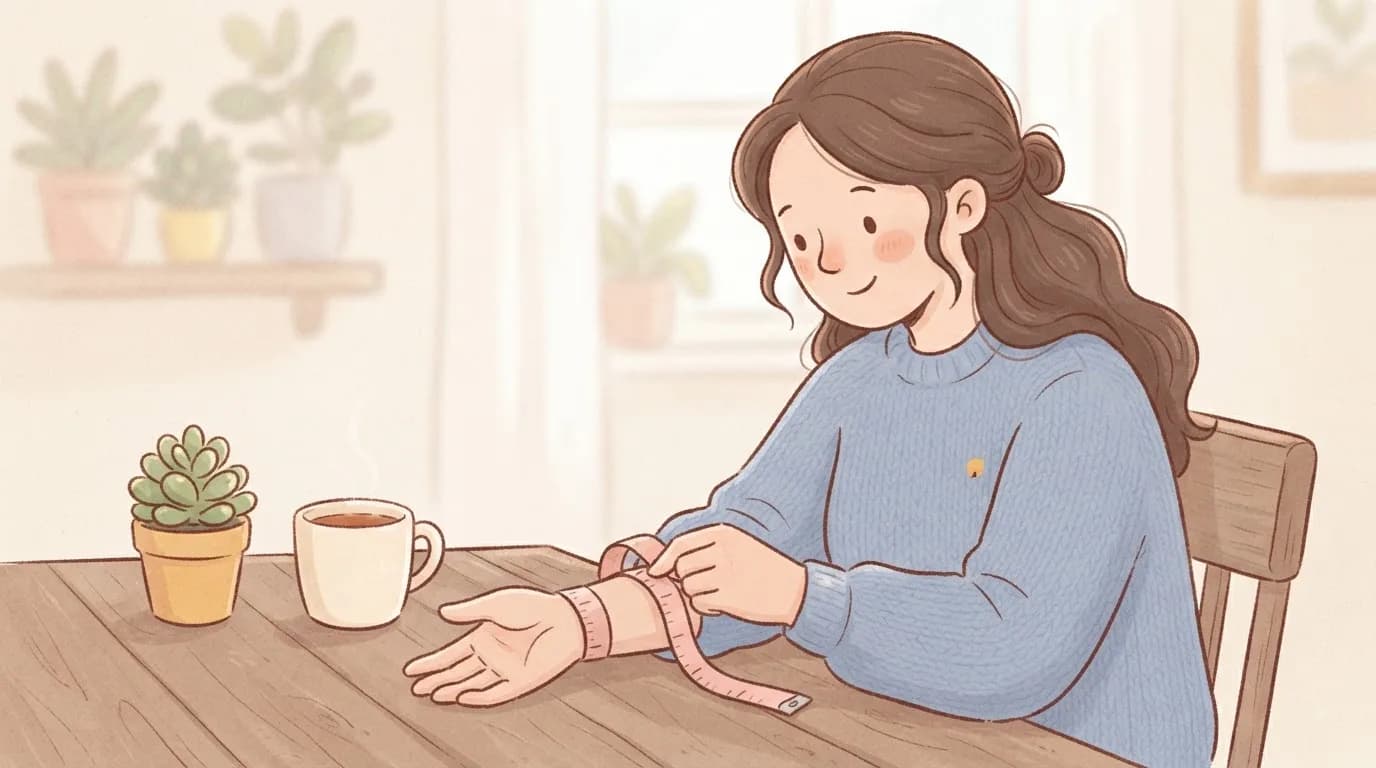
For elastic wraps, the right size is the difference between real support and a wrap that slowly works loose. SneakyDeez are sized by your wrist circumference, so measure around the wrist joint with a soft tape (my guide to measuring your wrist size shows exactly where).
- S fits 14.5 to 15.5 cm and M fits 16 to 17.5 cm. Both are kept in stock.
- XS (under 14.5 cm) and L (over 18 cm) are made to measure, sewn to your measurement, usually within 1 to 2 weeks.
- If you're between two sizes, take the smaller one for firmer support.
You can also choose the width. The 6 cm wraps have a lower profile and feel less noticeable, and the 8 cm wraps cover more of the wrist, which some people like for heavier weight-bearing work.
When during training should you wear wrist wraps?
Wear them for the parts of your session that actually load your wrists: inverts and climbs on the pole, handstands and arm balances, long planks and push-up sets, or your heaviest pressing sets in the gym. Do your wrist warm-up without them so the joint moves freely, and take them off for stretching, floor work or long breaks.
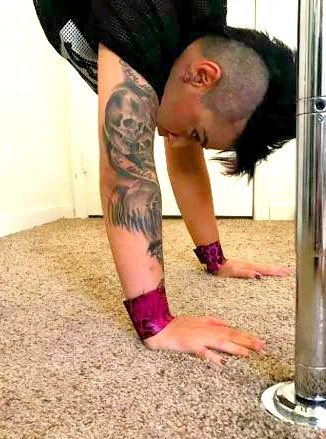
For lifters, the usual advice is to save stiff wraps for heavy sets close to your maximum and leave them off for warm-up and lighter work. For pole and handstands, plenty of people keep elastic wraps on for the whole active part of class, and that's fine as long as you're also doing some strength work without them. There's more on pole specifically in my pole dance wrist wraps guide. My decision guide on when to use wrist support goes deeper into the "how much is too much" question.
What are the most common wrist wrap mistakes?
- Wrapping too tight. Once a wrap is firm, extra pressure doesn't add support and just leaves you with numb fingers.
- Sitting them on the palm. This interferes with your grip and does less for the joint.
- Wearing them for everything. If they're on from the moment you arrive to the moment you leave, try taking them off for warm-up and stretching.
- Using them to train through pain. A wrap can make an achy wrist more comfortable, but sharp, worsening or one-spot pain needs looking at, not wrapping up.
- Buying lifting straps by mistake. Straps help your grip on heavy pulls and don't support the wrist joint at all.
- Skipping strength work. Wraps are there to help, and your own wrist and forearm strength is what carries you long term. My guide on strengthening your wrists has a simple routine to start with.
- Washing them hot. Heat is hard on elastic, which brings us to care.
How do you wash wrist wraps?
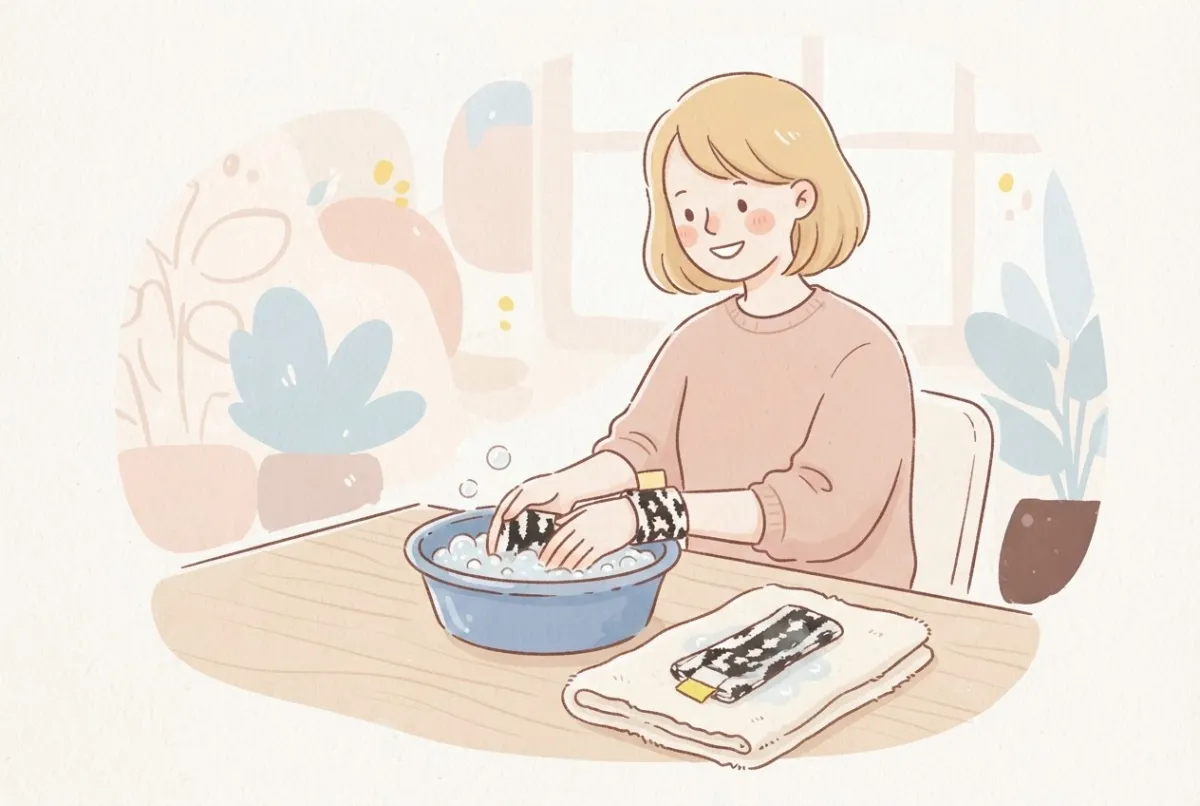
Wash them regularly, because sweat, chalk and grip aids build up quickly. We recommend hand washing SneakyDeez in cool or lukewarm water with a little mild detergent, gently squeezing rather than wringing, and letting them air dry away from radiators and direct heat. That keeps the elastic firm for longer. If you train most days, having a second pair means one can dry while you wear the other.
Can wrist wraps stop wrist pain?
Wraps can make training feel much more comfortable, and lots of people find their wrists ache less with firm compression around them, but they're a support and not a treatment, and they can't promise you won't get hurt. What tends to keep wrists happy is the combination of a good warm-up, sensible progression, decent technique, some strength work and support when you need it. If you'd like to understand what the compression itself is doing, I've written about that in wrist compression for support and recovery.
Please see a doctor or physio if you have swelling or bruising after a fall, numbness or tingling that doesn't go away, pain that wakes you at night, a grip that's getting weaker, or pain that hasn't improved after a couple of weeks. Our guide to common causes of wrist pain is a good starting point while you wait for an appointment.
More in Wrist supports & wraps
- Types of Wrist Support: Wraps, Sleeves, Braces, Splints and Tape Compared
- Wrist Wraps vs Straps vs Braces: Which One Do You Actually Need?
- How to Measure Your Wrist Size for Wrist Wraps (With Size Chart)
- How to Wash Wrist Wraps So the Elastic Stays Firm
- Upcycled Fabric: How SneakyDeez Wrist Wraps Are Made
- What Is a Wrist Brace, and When Do You Actually Need One?
- Wrist Compression for Support and Recovery: What It Does and What It Doesn't
- The Best Gymnastics Wrist Supports: What Gymnasts, Calisthenics Athletes and Pole Dancers Use
Questions people ask
Should wrist wraps go above or below the wrist bone?
Elastic wraps should cover the wrist joint itself, with the lower edge around the crease where your hand meets your forearm. That usually means they sit over the knobbly wrist bones rather than above them on the forearm. They shouldn't creep onto the palm.
Should I wear wrist wraps all the time when I train?
Wear them for the parts of training that load your wrists, like inverts, handstands, push-ups or heavy presses. Take them off for warm-up, stretching and long breaks, and keep doing some wrist strengthening without them.
How do I know what size wrist wraps to buy?
Measure around your wrist joint with a soft tape. SneakyDeez S fits 14.5 to 15.5 cm and M fits 16 to 17.5 cm, while XS and L are made to your measurement. If you are between sizes, choose the smaller one for firmer support.
Can I put wrist wraps in the washing machine?
For SneakyDeez we recommend hand washing and air drying, because heat and machine agitation wear out elastic faster. Gently squeeze the water out rather than wringing, and keep them away from radiators while they dry.
Why do my fingers tingle when I wear wrist wraps?
Usually the wrap is too tight or has been on for a long time as your wrists warmed up and swelled slightly. Loosen it straight away. If tingling happens even without wraps, or keeps coming back, it is worth getting checked by a doctor.
Do wrist wraps make your wrists weaker?
A flexible wrap still lets your wrist move and your muscles work, so it is unlikely to weaken them on its own. The risk is relying on support and never training wrist strength, so pair wraps with regular conditioning.
Shop the fix
Wraps made for exactly this
Handmade in Slovenia by a pole teacher, with firm compression that sits low on the wrist.
Sources we checked
Written by
Masha Pinner
Pole dance teacher at Pandora Art of Pole in Slovenia and former fashion designer. Masha started SneakyDeez in 2017 after years of teaching on sore wrists, and she still designs every pair.
Read Masha’s story